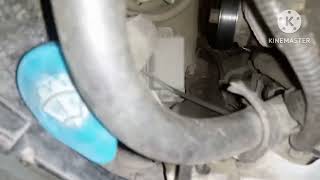
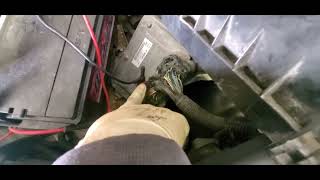
Causes and obd code P0533
From what I see most often in the shop, there are a few usual suspects behind a p0533 issue (this error can also happen on Honda, Dodge):
- A faulty or damaged A/C refrigerant pressure sensor is at the top of the list. These sensors can fail internally or get damaged from outside factors.
- Leaking refrigerant at the sensor or elsewhere in the system can throw off the pressure readings.
- Low refrigerant levels-sometimes from a slow leak-can also cause this issue.
- Corroded, frayed, or broken wiring to the sensor is another common cause. Even a little corrosion at a connector can mess up the signal.
- Every now and then, a faulty control module (like the PCM or BCM) is to blame, but that’s pretty rare compared to the other causes.
In my experience, it’s usually the sensor itself or wiring issues, but it’s important to check everything before replacing parts.
Symptoms and P0533 engine code
When this code pops up, here’s what you’re likely to notice as a driver:
- The check engine light will come on-sometimes that’s the only clue at first.
- The A/C might stop working altogether, or the HVAC system may not respond like it should. You might get warm air when you want cold, or the system just won’t turn on.
- The A/C compressor may refuse to engage, so you’ll definitely notice a lack of cooling, especially on hot days.
From experience, if your A/C suddenly stops working and the check engine light is on, this code is a prime suspect.
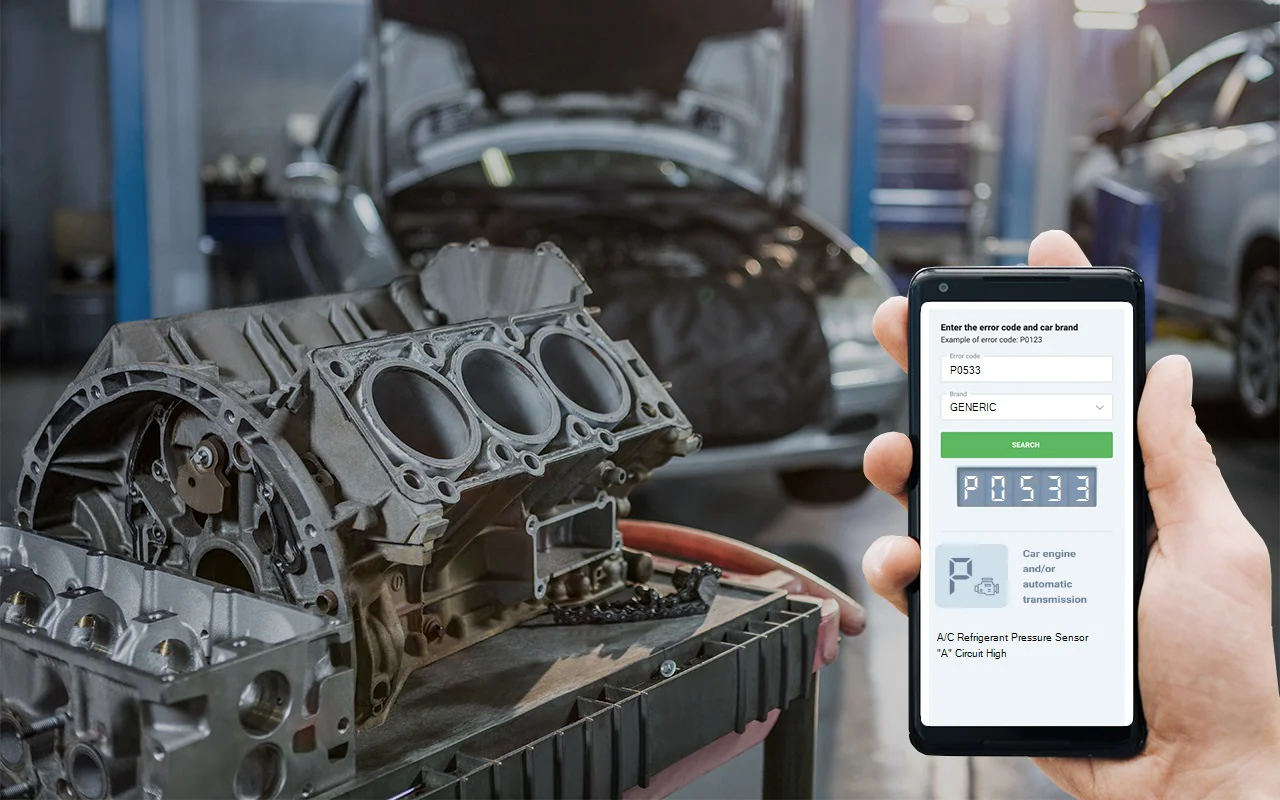
Common Mistakes and obd2 code P0533
I’ve seen people jump straight to replacing the sensor without checking the wiring or refrigerant level first. That’s a surefire way to waste money. Another common mistake is overlooking a small leak in the system or ignoring corrosion at the connector. Skipping the basics can lead to frustration and unnecessary repairs. Always start simple and work your way up.
Repair and P0533 trouble code
Here’s what usually fixes a P0533 code, based on what I see in the field:
- Replace the A/C refrigerant pressure sensor if it’s faulty or damaged.
- Repair or replace any corroded, frayed, or broken wiring and connectors going to the sensor.
- Fix any refrigerant leaks and recharge the system to the correct level.
- In rare cases, replace the control module if it’s determined to be the cause (after ruling out everything else).
It’s best to follow the OEM repair procedures for your specific vehicle to make sure everything is done right.
Conclusion
To sum it up, code P0533 means your car’s computer is seeing a problem with the A/C refrigerant pressure sensor circuit-usually a high voltage reading. This can shut down your A/C and, if ignored, could lead to bigger issues like compressor damage. I recommend starting with a check of the refrigerant level, then inspecting the wiring and sensor itself. Most often, fixing the sensor or wiring gets you back on the road with a working A/C. Don’t delay-addressing this promptly is the most reliable way to avoid further trouble and keep your ride comfortable and safe.
Video for "Error p0533" on YouTube
The following error codes are often searched for

 6892
6892 5 minutes of reading