
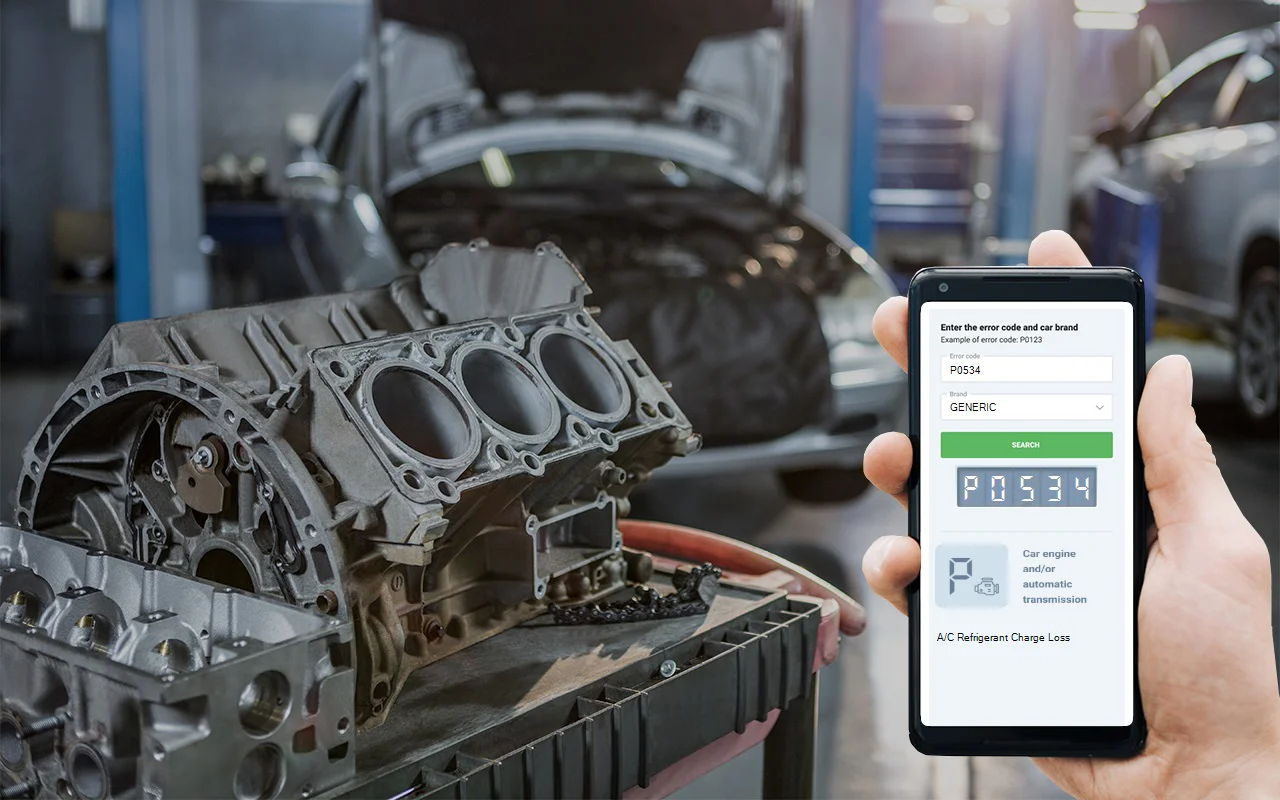
Causes of obd code P0534
From experience, the biggest reason you’ll see a P0534 code is a refrigerant leak-plain and simple, there’s just not enough freon in the system. But trust me, that’s not the whole story. Over the years in the shop, I’ve run into a handful of other trouble spots that can trigger this code:
- Low refrigerant level thanks to a leak in the AC system
- A low-pressure switch that’s gone bad and is giving false signals
- Wiring and connector issues-sometimes they’re broken, corroded, or just barely hanging on
- On rare occasions, a glitchy PCM or a faulty AC compressor relay
Here’s a pro-tip from the garage: always start your hunt for leaks first, because nine times out of ten, that’s what’s causing your headache.
Symptoms of P0534
When this code pops up, you’ll usually notice your AC just isn’t pumping out cold air anymore. Sometimes the compressor clutch will keep clicking on and off, or maybe it won’t engage at all. I’ve seen cars where the AC button flashes, or the whole system acts like it’s ignoring you. Basically, if your AC suddenly gives up or just isn’t cooling like normal, this code should be on your radar.

Diagnosis steps for P0534 code
Let me walk you through how I tackle a P0534 code, step by step:
- First up, I always check the refrigerant level. If you’ve got access to a set of AC gauges and know how to use them, great. If not, let a pro handle it-refrigerant isn’t something you want to mess with, and there are laws about who can handle it.
- If the system's low, I’m on the lookout for leaks. A UV dye kit is worth its weight in gold here-pop in the dye, run the AC, then scan around fittings, hoses, and the condenser with a UV lamp. Any bright green or yellow glow points to your leak.
- If the refrigerant’s where it should be, I turn my attention to the low-pressure switch. With a digital volt/ohmmeter, I’ll check for power and ground at the switch’s connector. With the engine running and AC switched on, every wire at that switch ought to show battery voltage. If not, I’ll dive into the fuses, relays, and wiring looking for anything amiss.
- If I find power on one wire but not the others, sometimes I’ll jump the switch connector to see if the compressor clutch wakes up. If it does, you’ve probably got a bad switch on your hands.
- Don’t forget-after repairs, clear the code and let the system run for a while to see if the issue returns. Sometimes, the fix is as simple as a reset after topping up refrigerant or swapping a faulty switch.
My advice? Always start with the basics-refrigerant and leaks-before chasing down wiring or electronics.
Common mistakes while fixing P0534 engine code
A classic mistake I see is folks rushing to swap out the low-pressure switch or even dropping big money on a new compressor, without so much as checking for leaks or verifying the refrigerant level. That’s a fast track to wasted cash and frustration. Another common stumble is ignoring the wiring-sometimes all that’s wrong is a loose connector or a blown fuse hiding in plain sight. Make sure your AC has the correct charge before replacing any parts; you’ll save yourself a headache.

Seriousness of obd2 code P0534
Now, P0534 isn’t going to leave you stuck on the side of the road, and it won’t mess with how your engine runs. Still, let this one slide and you’ll be sweating it out in the summer heat. More importantly, running your AC low on refrigerant is a recipe for compressor damage, which can send metal shavings throughout the system and really jack up repair costs. Bottom line: patching a small leak now is way, way cheaper than rebuilding your entire AC down the road.
Repair solutions for P0534 trouble code
Whenever I’m dealing with a P0534 code, here’s the checklist I run through:
- Sniff out and repair any refrigerant leaks-this might mean swapping O-rings, hoses, or whatever’s letting the freon escape
- Properly recharge the system with the right refrigerant type and the exact amount of oil
- Replace the low-pressure switch if it’s sending out bad readings
- Fix or replace any wiring or connector issues you find in the AC circuit
- Clear the code and put the system through its paces to double-check everything’s back to normal
Just a heads-up: refrigerant work isn’t DIY territory for most folks. It’s hazardous and regulated, so let a certified technician handle it.



Conclusion
Here’s what it boils down to: P0534 means your AC system’s either low on refrigerant or there’s trouble with the pressure switch or wiring. While it won’t kill your engine, fixing it quickly can save you from a world of expensive hurt down the line. Start by hunting for leaks and checking that the system’s properly charged-most times, that’s where the problem hides. Don’t let this one linger if you want to keep cool and avoid trashing your compressor. The best fix is always to repair leaks, recharge the system, and replace any bad switches or wiring that might be causing trouble.
 4436
 6 minutes of reading