
Causes and dtc P0536
When it comes to the p0536 code, I've seen a handful of usual suspects over the years. Here’s what typically sets it off:
- The A/C evaporator temperature sensor itself has gone bad or taken a hit
- Wiring issues-think cracked insulation, corrosion, or those sneaky loose connections
- A connector that's not quite seated right, or maybe has some gunk or rust inside
- Wiring that’s acting up from vibration, moisture, or just worn out over time
- Resistance building up in the circuit-maybe from corroded wires or heat damage
- On rare occasions, the ECM is at fault, but that’s not where I’d start
- Physical damage to the evaporator core itself, though that’s pretty uncommon
Nine times out of ten, you’re staring down a sensor or wiring issue-not a failed ECM or a busted evaporator core.
Symptoms and P0536 trouble code
When P0536 is hanging around, drivers usually notice their A/C isn’t keeping up. Here’s what you might see or feel:
- No cold air blowing out, even when you crank the A/C on full blast
- The air from the vents goes from cold to warm, almost like it can’t make up its mind
- Your A/C compressor clutch might not engage at all-no click, no cold
- Overall, the HVAC system just feels off and unreliable
If you’re spotting any of these, your best bet is to check the sensor and wiring first-they’re the most common culprits in my experience.

Diagnosis steps for obd2 code P0536
Here’s how I attack a p0536 code in the shop-step-by-step, the way I’ve done it for years:
- Start by searching for any technical service bulletins (TSBs) for your car. Sometimes there’s a golden fix already out there from the manufacturer, and it’ll save you hours.
- Find the evaporator temperature sensor. It’s usually tucked right up against the evaporator core, hidden inside the HVAC box under the dash. Sometimes you can spot it by peeking under the dash, but don’t be surprised if you need to pull a few panels or even the radio to get a clear shot. Take it slow-plastic panels get brittle and crack easily, especially in the cold.
- Once you track it down, give the sensor a good look. I’m checking for corrosion, burnt marks, or anything that looks fried or physically damaged. If it looks rough, you’ve probably found your problem.
- Next, chase the wiring and connectors. I follow the harness, looking for nicked wires, loose plugs, or signs of water or rust. Pay extra attention where the harness could get kicked or snagged by feet under the dash-a classic trouble spot.
- If everything passes the eyeball test, it’s time for a multimeter. Most of these sensors are just resistors that change value with temperature. I measure the resistance and compare it to what’s in the service manual. If the numbers are way off, or I get an open circuit, that sensor’s toast.
- If the sensor checks out, I run continuity tests on the wiring. Sometimes a wire breaks inside the insulation and you’d never know just by looking at it. Trust your meter, not your eyes.
If working with electrical systems or A/C components makes you nervous, don’t sweat it-there’s no shame in letting a pro handle it. But these are the basic steps I follow every time I see a P0536 on my scanner.
Common Mistakes with obd code P0536
One mistake I see all the time: folks jump right to replacing the A/C compressor or dumping in more refrigerant without ever looking at the sensor or its wiring. That’s a quick way to drain your wallet and get nowhere. Skipping the simple checks-like looking for corrosion or a loose connector-before tearing into expensive repairs is another pitfall. And a lot of people skip checking for TSBs, which can lead you on a wild goose chase when the fix is already documented. Always start with the basics. Trust me, it’ll save you headaches and cash.

Seriousness of P0536
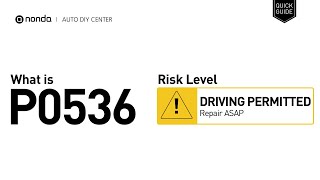
Now, P0536 isn’t going to leave you stranded on the side of the road or put you in immediate danger. But, if you live where summers get brutal, a busted A/C will make every drive a misery. If you count on your climate control working when you need it, don’t ignore this code. While it’s not as dire as some engine or transmission faults, leaving it too long could see your HVAC system give up entirely. And if the wiring’s in really bad shape, there’s a slim chance it could start causing shorts in other circuits, which is a whole new headache. Bottom line: fix it sooner rather than later if you want to stay comfortable and avoid bigger issues down the line.
Repair steps for P0536 code
Here’s what I’ve seen get the job done for P0536, time and again, both in the service bay and in the books:
- Swap out a bad evaporator temperature sensor
- Patch up or replace any damaged wiring or connectors feeding the sensor
- Clean up corrosion on connectors or terminals-sometimes a little electrical cleaner is all it takes
- On rare occasions, replace the ECM if you’ve proven it’s at fault (I’ve only seen this a handful of times in my career)
- If you spot physical damage to the evaporator core, fix or replace it-but that’s not something that comes up often
Most often, changing the sensor or sorting the wiring solves the problem. Keep it simple and start there.



Conclusion
So here’s the bottom line: P0536 means your A/C evaporator temperature sensor or the wiring feeding it isn’t up to snuff, and your car’s computer can’t manage the A/C like it should. You won’t be risking safety, but you’ll definitely sacrifice comfort-especially once summer hits. My advice? Go over the sensor and wiring with a fine-tooth comb, check for any TSBs, and test the sensor’s resistance against your service manual. Most of the time, you’ll fix this with a new sensor or a simple wiring repair. Don’t wait-sort it out now so you’re not sweating buckets later. And always remember: start with the basics before you reach for the expensive parts.
 3752
 6 minutes of reading