
Common Causes of P0537 Engine Code
From my time under the dash, these are the main reasons I find for a P0537 code:
- The evaporator temperature sensor itself bites the dust-sometimes from old age, other times from moisture or debris sneaking in where it shouldn’t.
- Wiring troubles are big: frayed wires, green crusty corrosion, or connections that have worked loose over time. I can’t count how often a harness gets pinched or yanked while someone’s working under there.
- Bad connectors at the sensor. Even a little dirt or a bit of corrosion can ruin your day by stopping a solid connection.
- Damage or resistance inside the wiring harness-usually from heat or water getting where it’s not supposed to be.
- Once in a blue moon, the ECM itself is to blame, but honestly, I always leave that for last. Nine times out of ten, it’s a much simpler fault.
Most of the time, you’re looking at a basic sensor or wiring issue before anything else.
Typical Symptoms of P0537 Trouble Code
When this trouble code’s hanging around, here’s what you might notice in your ride:
- No cold air, even if you’ve got the A/C dialed all the way down. I’ve seen folks sweating it out with the fan on max, but nothing but warm air blows out.
- Sometimes, the air comes out cold, then suddenly it’s warm, then back to cold. That inconsistency is a dead giveaway.
- The A/C compressor clutch might not kick in at all, so you’re just pushing air around, not actually cooling anything.
- Overall, your HVAC just isn’t behaving like it should. You can’t get comfortable, no matter what buttons you push.
Annoying? Absolutely-especially in the summer. But you won’t be stranded by the side of the road over it.

Step by Step Diagnosis for P0537
Here’s how I’d tackle a P0537, step by step:
- I always start by checking for technical service bulletins (TSBs). Sometimes there’s a known issue or shortcut the factory has already figured out. Saves a lot of time if there is one.
- Next, I hunt down the evaporator temperature sensor. Usually, it’s right on or near the evaporator core, deep in the HVAC box under the dash. Sometimes you can get a look at it from underneath, but don’t be surprised if you have to pull a few panels-or even the radio-to get access. Always check your service info for the right spot.
- I do a close-up inspection for anything obvious-burned wires, green corrosion, broken connectors. If something’s cooked, I swap it out on the spot.
- Then I test the sensor. Most are simple resistor types, meaning their resistance changes as the temp changes. I grab my multimeter, check resistance at room temp, and compare it with what the manufacturer says it should be. If it’s way off, or the sensor is open or shorted, it’s time for a new one.
- If the sensor tests good, I follow the wiring. I’m looking for spots where the harness could have been pinched, cut, or melted-especially anywhere feet or tools might have snagged it. I check connectors for bent pins or corrosion, too.
- If I still haven’t found the problem, I move on to checking continuity and voltage with the help of a wiring diagram. Only when everything else checks out do I start suspecting the ECM, but honestly, that’s rare.
If you’re poking around under the dash, it’s handy to have a buddy help hold panels or shine a light. Also, those plastic clips and panels? Treat them gently-they snap real easy, especially in colder weather.
Avoiding Common Mistakes with OBD Code P0537
A classic mistake I run into is folks immediately swapping out the sensor without even glancing at the wiring or connectors. Another one? Guessing at the resistance specs without checking the service manual-you can waste a lot of time chasing ghosts that way. I’ve seen people miss a simple bit of corrosion or a loose connector that was the whole problem. Skipping a thorough visual inspection is a surefire way to end up frustrated and no closer to fixing the issue.

How Serious is OBD2 Code P0537
Let’s be real-this code isn’t going to leave you broken down on the shoulder. The main headache is losing your A/C, which, if you’re somewhere hot, can make for a miserable ride. Ignore it, though, and you could be looking at bigger bills-like if the compressor keeps trying to run without getting the right data, it could burn out. If you like staying cool (and who doesn’t?), you’ll want to sort it out before the next heatwave hits. Don’t wait too long; comfort matters, and so does keeping your system healthy.
Effective Repair Methods for DTC P0537
Here’s what’s fixed this code in my shop, and what the service books back up:
- Swap out the evaporator temperature sensor if it’s testing bad or out of spec.
- Patch or replace any damaged wires or connectors leading to the sensor.
- Clean up any corrosion on the connectors and make sure the fit is snug-loose connections cause all sorts of headaches.
- As a last resort, maybe the ECM needs changing, but I can count on one hand the times that’s actually been necessary.
After any repair, always clear the code and give the system a test run to make sure the fix sticks.


Conclusion
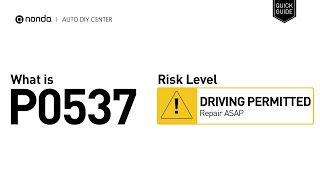
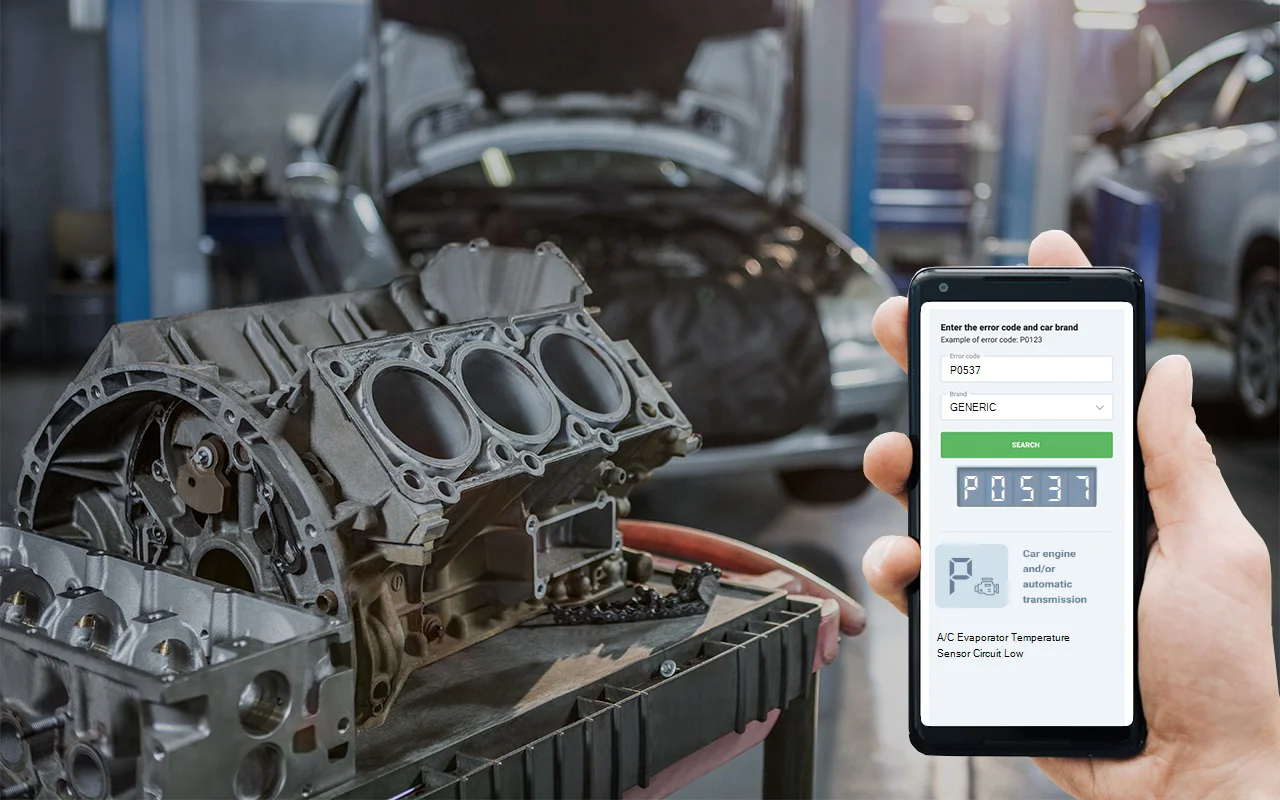
Bottom line: P0537 means your ECM isn’t hearing the right info from the A/C evaporator temperature sensor, so your HVAC can’t keep you comfy. It won’t put you or your car in danger, but it sure can make summer driving a sweaty mess. My advice? Start with a careful look at the sensor and its wiring-most fixes happen there. Tackle it early to avoid bigger headaches and keep your ride cool all season long.
 4961
 6 minutes of reading