
Causes of P0539 code
From what I’ve seen in the shop, the most common reasons for a P0539 code are:
- A faulty or damaged A/C evaporator temperature sensor-these can fail from age, moisture, or internal corrosion.
- Problems with the wiring to the sensor, like frayed wires, broken insulation, or loose connections-especially in areas where feet or cargo might bump the harness.
- Corroded or loose connectors at the sensor or along the harness-sometimes just unplugging and plugging back in can reveal a bad connection.
- Internal resistance in the wiring due to corrosion or overheating.
- In rare cases, a problem with the ECM itself.
- Physical damage to the evaporator core, which can sometimes affect the sensor’s readings.
Most often the issue is with the sensor or the wiring, not the ECM.
Symptoms of obd code P0539
When this code is active, here’s what you’ll probably notice:
- The A/C might stop blowing cold air altogether, or the temperature from the vents could fluctuate up and down.
- Sometimes the A/C compressor clutch won’t engage, so you just get warm air.
- The HVAC system may act up or not respond to your temperature settings.
From experience, if you suddenly lose cold air or the A/C acts weird, this code is a likely culprit.

Diagnosis steps for P0539 engine code
Let me walk you through how I usually track down a P0539 code in the shop:
- First thing I do is check for any Technical Service Bulletins (TSBs) for your specific make and model. These can be lifesavers-a known issue or design flaw could mean the fix is already mapped out for you.
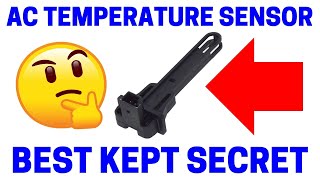
- Next, I hunt down the evaporator temperature sensor. It’s almost always tucked away inside the HVAC box under the dash-sometimes behind a trim panel, sometimes not far from the radio. If you can’t spot it, grab your owner’s manual or a service guide for a diagram.
- I give the sensor and its wiring a careful look for any obvious damage-burn marks, frayed wires, green corrosion on the connector, that sort of thing. Don’t underestimate a loose connector; I’ve fixed plenty of these just by cleaning and reseating the plug.
- If nothing obvious jumps out, I’ll pull out a multimeter and check the sensor’s resistance. Most of these are just thermistors-the resistance should match the specs in your service manual at room temperature. If the numbers are way off, or the reading jumps when you wiggle the connector, that’s your culprit.
- Then, I trace the wiring harness, especially under the dash where shoes, feet, or even cargo can smash or rub the wires. It helps to have an extra set of hands holding a flashlight or moving panels.
- If the sensor and wiring pass the tests, then I’ll start looking at the circuit back to the ECM. But honestly, in all my years, I can count on one hand the number of times it’s actually been the ECM.
Start simple-visual checks and basic resistance measurements will catch most problems before you need any fancy diagnostic tools.
Common mistakes when fixing P0539
After years on the job, I’ve seen folks trip up on these classic mistakes:
- Going straight for a new sensor without first checking the wiring or connector. Sometimes, it’s just a corroded or loose plug-fix that, and you’re golden.
- Missing hidden wiring damage under the dash-those tight spaces are notorious for pinched or kicked wires, especially after someone’s done work in that area before.
- Not double-checking the sensor’s resistance against your car’s actual specs. Don’t just guess-different vehicles call for different values.
- Ignoring TSBs that might spell out the fix or point to a known bad part. Always worth a quick check before tearing things apart.
Slow down and give each part of the circuit a good look before you start swapping parts. It’ll save you money and headaches.

How serious is the P0539 trouble code
I’ll be straight with you-P0539 isn’t going to leave you stranded on the side of the road or put your safety at risk. What you’re really looking at here is a comfort issue. Lose your A/C, and you’ll definitely feel it when the heat cranks up outside. Ignore it long enough and, while it’s rare, a wiring problem could get worse and maybe even mess with other systems. For the most part, the risk is to your evaporator, sensor, or wiring. My advice? Don’t drag your feet fixing it-no one likes sweating through a traffic jam, and a quick repair now can keep an easy job from turning into an expensive one down the line.
Repair solutions for dtc P0539
Here’s what fixes P0539 most often, based on what I see day in and day out:
- Swapping out a faulty evaporator temperature sensor-this tops the list by a mile.
- Repairing or replacing damaged wires or connectors in the sensor circuit. Sometimes it’s just a ten-minute fix with some wire and heat-shrink.
- Cleaning up corroded connectors and making sure everything snaps together nice and tight.
- On rare occasions, if every other part checks out, the ECM might need to be replaced-but honestly, that’s almost never the case.
- If you’ve actually got a damaged evaporator core, you might have to replace it, but I only see that once in a blue moon.
Start with the sensor and wiring-those are the usual troublemakers.



Conclusion
Bottom line: P0539 means your A/C system isn’t getting a consistent reading from the evaporator temperature sensor. You won’t be risking your safety, but you might be risking your patience and comfort. The real fix comes from working through the basics-check the sensor and wiring first, just like I’ve outlined above. Don’t wait until you’re stuck driving in July heat to sort it out. Tackle it early, and you’ll save yourself a lot of sweat and hassle.

 5417
5417 6 minutes of reading