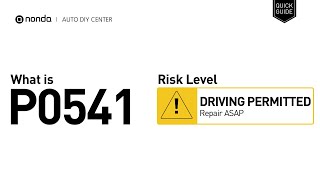
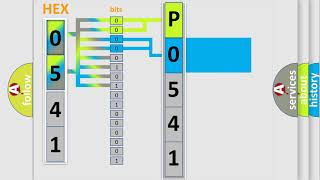
Alright, let me break down what code P0541 actually means for your vehicle. This code stands for “Intake Air Heater ‘A’ Circuit Low.” In plain English, your car’s computer (the PCM) is telling us it’s noticed something wrong with the circuit that controls the intake air heater. This heater is a key part of the cold start system, especially on diesel engines. Its job is to warm up the air going into the engine when it’s cold outside, making it much easier for the engine to start and run smoothly. Without it, starting your car in chilly weather can become a real struggle. The PCM keeps an eye on this system, and if it doesn’t see the right voltage or response from the heater or its wiring, it’ll trigger this code and turn on your check engine light. So, this isn’t just a random warning-it’s the car’s way of saying, ‘Hey, I’m having trouble keeping things warm enough to start up right!’
DTC P0541
 4450
4450 6 minutes of reading
Causes of P0541 engine code
From what I’ve seen in the shop and based on the official repair info, there are a few usual suspects when it comes to this issue. Most often the problem is:
- A faulty intake air heater itself-these do wear out over time, especially if you do a lot of cold starts.
- A failed intake air heater relay, which is like a switch that controls power to the heater.
- Problems with the wiring or connectors between the PCM and the heater-corrosion, loose connections, or even rodent damage can cause trouble here.
- In rare cases, the PCM (the car’s main computer) could be at fault, but that’s not where I’d start.
In cases like this, it’s usually something simple like a bad relay or a broken wire, but I always check the heater itself first.
Symptoms of P0541
If you’re dealing with this code, here’s what you’ll probably notice. The most obvious sign is the check engine light coming on. But what really gives it away is how your engine behaves when it’s cold out. From experience, I can say you might have a hard time starting the engine on chilly mornings, or sometimes it just won’t start at all if it’s really cold. If you’ve noticed your truck or car cranking longer than usual or refusing to fire up when the temperature drops, this is likely related.

Diagnosis steps for obd code P0541
Here’s how I usually go about diagnosing this one, step by step. First, I recommend starting with the basics-don’t dive into the deep end just yet.
- Start by checking the intake air heater fuse and relay. A blown fuse or a stuck relay is a common culprit. You can usually find these in the engine bay fuse box. Swap the relay with a similar one if you have it, just to see if that changes anything.
- Next, inspect the wiring and connectors going to the intake air heater. Look for any signs of corrosion, loose pins, or damaged wires. Sometimes, just wiggling the connector can reveal a bad connection.
- After that, test the intake air heater itself. With the ignition off, disconnect the heater and use a multimeter to check for continuity across the heater terminals. If there’s no continuity, the heater element is likely burned out and needs replacing.
- Don’t forget to check for power at the heater connector when the system is supposed to be active (usually during a cold start). If there’s no voltage, trace back to the relay and PCM to see where the signal is getting lost.
- If all else checks out, and you’re still seeing the code, only then would I suspect the PCM. But honestly, that’s pretty rare in my experience.
It’s better to have someone assist you when checking the heater operation, especially if you’re working around live circuits. And always double-check your repair manual for your specific vehicle-some setups have unique quirks.
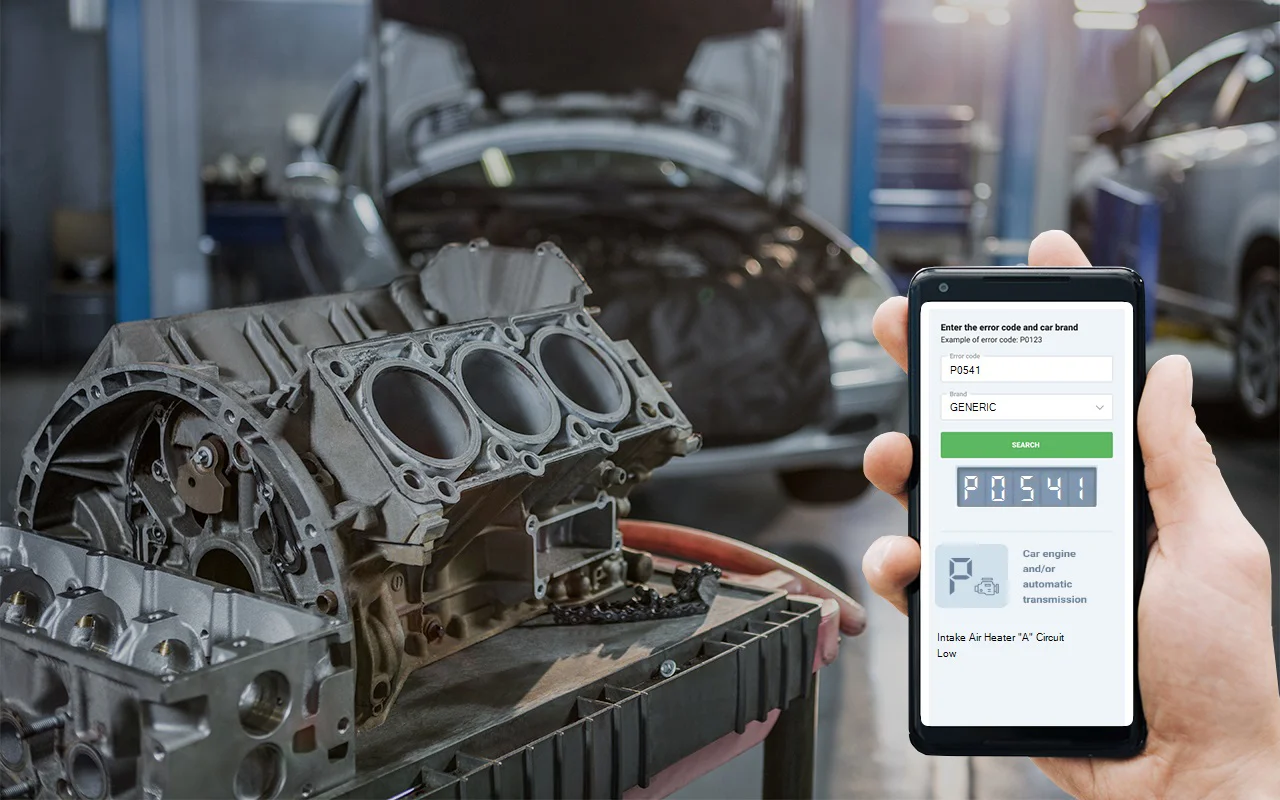
Common Mistakes when fixing P0541 trouble code
I’ve seen a few common mistakes when folks tackle this code. One big one is replacing the intake air heater right away without checking the relay or wiring first. That’s a surefire way to waste money if the real problem is just a corroded connector or a bad relay. Another mistake is skipping the fuse check-sometimes it’s just a simple blown fuse. Also, don’t overlook the importance of testing for voltage at the heater; assuming the PCM is bad without confirming the basics can lead you down the wrong path. Take your time and check each part of the circuit before replacing anything expensive.

Seriousness of P0541 code
Honestly, you don’t want to ignore this one, especially if you live somewhere cold. This is a serious hazard in winter-if the intake air heater isn’t working, your engine could refuse to start when you need it most. That’s not just inconvenient; it could leave you stranded in freezing temperatures. Plus, repeated hard starts can put extra strain on your starter and battery, and over time, unburned fuel from failed starts can damage your exhaust system or even clog your diesel particulate filter. Things can go south quickly if overlooked, so don’t put this off for later.
Repair solutions for obd2 code P0541
Here’s what I typically do to fix this code, based on the official procedures and what works in the field:
- Replace the intake air heater if it fails the continuity test or shows visible signs of damage.
- Swap out the intake air heater relay if it’s sticking or not clicking on as it should.
- Repair or replace any damaged wiring or corroded connectors between the PCM, relay, and heater.
- Replace the fuse if it’s blown, but always find out why it blew in the first place.
- In rare cases, if everything else checks out, the PCM may need to be reprogrammed or replaced, but that’s a last resort.
Always clear the code and test the system after repairs to make sure you’ve nailed the problem.
Conclusion
To sum it up, P0541 means your intake air heater circuit isn’t working right, which can make cold starts a nightmare and leave you stranded when you least expect it. Diagnosing this code is usually straightforward if you start with the basics-check the fuse, relay, wiring, and the heater itself before moving on to anything major. The risk level is high if you rely on your vehicle in cold weather, so don’t delay getting this sorted. The most reliable fix is to methodically check each part of the circuit and replace or repair what’s faulty. That’s the best way to get your car starting strong, no matter how cold it gets outside.