
Causes of dtc P0547
From what I’ve seen in the shop and what the official manuals say, the most common reasons for a P0547 code are:
- Loose, corroded, or damaged electrical connectors at the EGT sensor-this is a big one and happens more often than you’d think.
- A broken or shorted wire in the sensor harness, especially where insulation has rubbed off or melted.
- A failed EGT sensor itself-sometimes they just wear out or get damaged by heat.
- Aftermarket exhaust modifications, like removing the catalytic converter or DPF, which can mess with sensor readings or leave the sensor without proper backpressure.
- In rare cases, a problem with the engine computer, but honestly, that’s not where I’d start.
Symptoms of obd code P0547
When this code pops up, the main thing you’ll notice is the check engine light coming on. Most drivers won’t feel any difference in how the car runs-no rough idle, no loss of power, nothing obvious. That’s why it’s easy to ignore, but trust me, you don’t want to let it slide. On some diesels, you might eventually see issues with DPF regeneration, but usually, it’s just that warning light staring you down.

Diagnosis steps for P0547 code
Here’s how I usually tackle a P0547 code, step by step:
- Start with a visual inspection. Pop the hood and locate the EGT sensor on bank 2, sensor 1 (that’s the side of the engine without cylinder #1, before the catalytic converter or DPF). Check the wiring and connectors for any signs of corrosion, loose pins, or damage. Don’t forget to look for melted or frayed wires-heat from the exhaust can do a number on them.
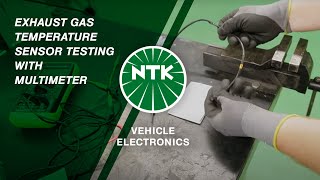
- If everything looks good, unplug the sensor and check the resistance across its terminals with a multimeter. A healthy EGT sensor should read about 150 ohms. If it’s much lower (below 50 ohms), the sensor is likely toast and needs replacing.
- Next, I use a heat gun or hair dryer to gently warm up the sensor while watching the resistance. The reading should drop as the sensor heats up and rise again as it cools. If it doesn’t change, that’s another sign the sensor’s bad.
- If the sensor checks out, I move on to the harness. With the ignition on, check for a 5-volt reference signal at the connector coming from the engine side. No voltage? That could mean a wiring issue further up, or in rare cases, a problem with the engine computer.
- It’s always a good idea to double-check for any exhaust modifications. If the catalytic converter or DPF has been removed, the sensor may not work right, and you’ll keep getting this code.
It’s best to have someone help you if you’re not comfortable with electrical checks, and always let the exhaust cool down before working near it-burns are no joke.
Common Mistakes when fixing P0547
One thing I see a lot is folks jumping straight to replacing the sensor without checking the wiring or connectors first. That’s a surefire way to waste money if the real problem is just a loose or corroded pin. Another common slip-up is not checking for aftermarket exhaust changes-if the system’s been modified, the sensor may never work right. And don’t forget to check both ends of the harness; sometimes the problem is at the connector on the engine side, not the sensor itself.

Seriousness of P0547 trouble code
This isn’t something you want to ignore. While you might not notice any drivability issues right away, running with a bad EGT sensor means your engine computer can’t protect the catalytic converter or DPF from overheating. That can lead to expensive damage, or in the worst case, even a fire risk if things get too hot. Honestly, the risks just aren’t worth it-fixing this early can save you a lot of money and headaches down the road.
Repair solutions for obd2 code P0547
Here’s what usually fixes a P0547 code, based on what I see in the field and what the manuals recommend:
- Clean or repair any corroded or loose connectors at the EGT sensor.
- Repair or replace any damaged wiring in the sensor harness.
- Replace the EGT sensor if it fails the resistance or heat test.
- If the exhaust system has been modified, restore it to factory specs so the sensor can work properly.
- In rare cases, if there’s no 5-volt reference at the connector and all wiring checks out, the engine computer may need attention-but that’s the last resort.



Conclusion
To sum it up, P0547 means your exhaust gas temperature sensor on bank 2, sensor 1 isn’t working right, and that puts your emissions system at risk. The check engine light is your warning-don’t put this off. Start with the simple stuff: check connectors and wiring, then test the sensor itself. Most of the time, it’s a bad sensor or a wiring issue, and fixing it quickly is the safest, most reliable way to keep your car running clean and avoid bigger problems down the line.

 6366
 5 minutes of reading