
Main Causes of obd code P0548
From experience, the most common reasons I see for a p0548 code are pretty straightforward. Here’s what usually triggers it:
- Loose, corroded, or damaged connectors at the EGT sensor - this is a frequent culprit.
- Broken wires or missing insulation causing a short to ground.
- A failed EGT sensor itself - these do wear out over time, especially with heat exposure.
- Aftermarket exhaust modifications, like removing the catalytic converter or installing a straight pipe, which can mess with how the sensor works.
- Very rarely, a problem with the engine computer, but that’s not common.
Typical Symptoms of P0548 code
Honestly, you probably won’t notice much in terms of how your car drives when this code pops up. The main thing you’ll see is the check engine light coming on. In most cases, there aren’t any obvious drivability issues, but if you ignore it, the computer might start making changes to fuel or timing to protect the converter, which could eventually affect performance.

Step by Step dtc P0548 Diagnosis
Here’s how I’d go about tracking down this code, step by step:
- First, I always start by visually inspecting the EGT sensor and its wiring. Look for loose plugs, corrosion, or any wires that look damaged or rubbed through. It’s best to have a good light and maybe someone to help move things around.
- Next, I follow the wiring harness from the sensor to its connector. Check for any spots where the insulation is missing or wires are exposed - these can easily short out to ground and cause this code.
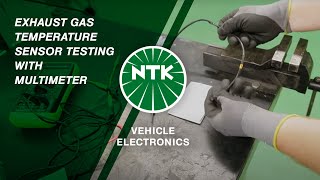
- If everything looks good, I disconnect the sensor and use an ohmmeter to measure resistance across the sensor terminals. A healthy sensor should read about 150 ohms. If it’s much lower (especially under 50 ohms), the sensor is likely bad and needs replacing.
- While I have the sensor out, I’ll heat it gently with a heat gun or hair dryer and watch the resistance - it should drop as the sensor heats up and rise as it cools. If it doesn’t change, that’s another sign it’s faulty.
- If the sensor checks out, I turn the key on and check for 5 volts at the connector on the engine side. If there’s no voltage, the problem could be in the wiring or, very rarely, the engine computer.
Common Mistakes When Fixing obd2 code P0548
I’ve seen a few common slip-ups when folks try to fix this code. One big one is replacing the sensor without checking the wiring and connectors first - sometimes it’s just a loose plug or a bit of corrosion. Another is not checking for exhaust system changes; if someone’s removed the converter or installed a straight pipe, the sensor can’t do its job. Skipping the resistance test on the sensor itself is another mistake - it’s a quick check that can save you time and money.

How Serious Is the P0548 trouble code
This isn’t something you want to ignore. While you might not notice immediate problems, a faulty EGT sensor means your engine computer can’t properly protect the catalytic converter or DPF. That can lead to overheating and expensive damage to those parts. On diesels, it can also mess up the DPF regeneration process, leading to clogging and even engine damage. Bottom line: things can go south quickly if you let this slide.
Repairing a P0548 engine code
Here’s what I typically do to fix a p0548 code:
- Clean and tighten any loose or corroded connectors at the EGT sensor.
- Repair or replace any damaged wiring between the sensor and the engine computer.
- Replace the EGT sensor if it fails the resistance or heat test.
- If the exhaust system has been modified (like removing the converter or DPF), restore it to factory condition - that’s the only way to get the sensor working right again.
- Very rarely, if there’s no voltage at the connector and the wiring is good, the engine computer may need replacement.



Conclusion
To sum it up, P0548 means your exhaust gas temperature sensor for Bank 2 isn’t sending the right signal, usually due to wiring issues or a bad sensor. It’s important to diagnose and fix this quickly to avoid damaging your catalytic converter or DPF, which can get expensive fast. Start with the simple stuff - check the wiring and connectors, then test the sensor itself. Most of the time, that’s where the problem is. Don’t put this off - it’s a small fix now, but it could turn into a big headache if ignored.

 6463
 5 minutes of reading