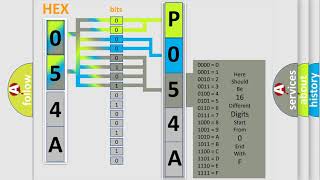
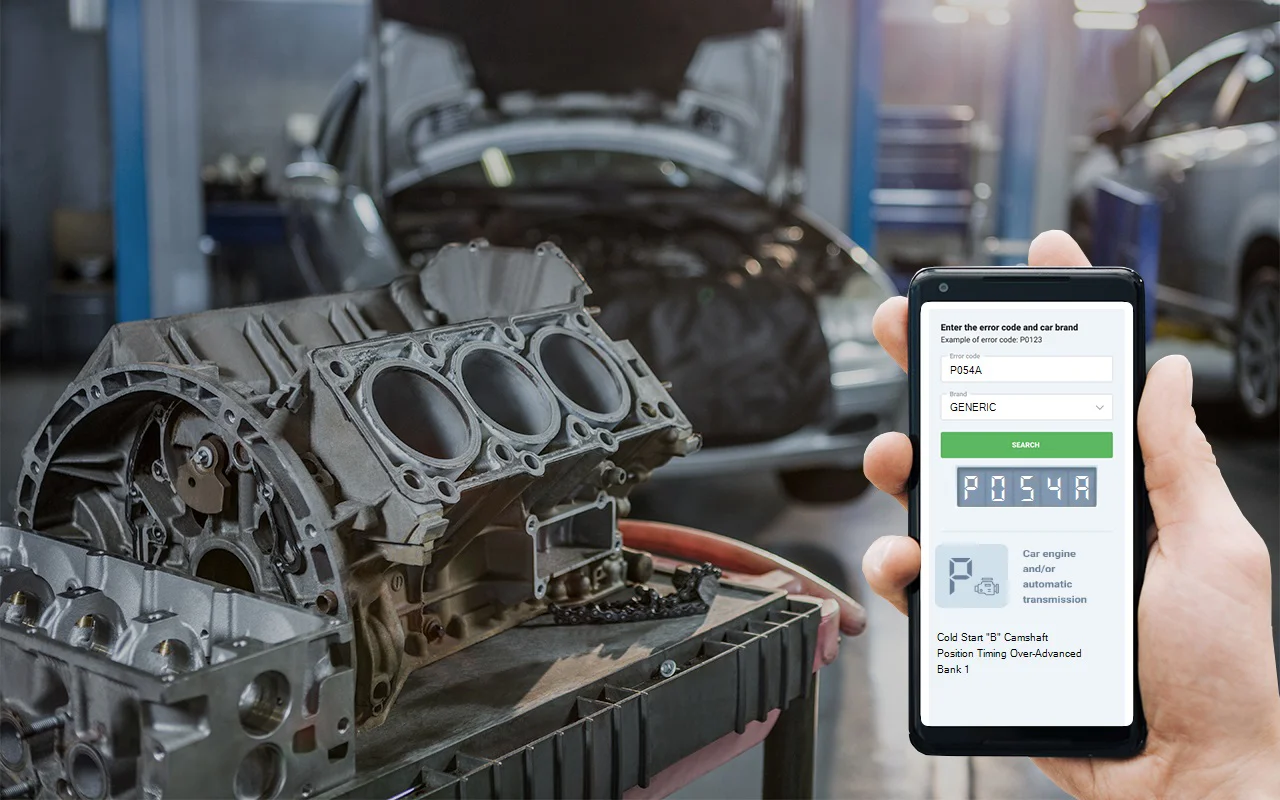
Let me walk you through what P054A really means, using the kind of plain talk you'd get from your local garage. This code stands for “Cold Start B Camshaft Position Timing Over-Advanced Bank 1.” In simple terms, your engine relies on something called Variable Valve Timing (VVT)-it’s a system that tweaks how and when the camshaft opens and closes your valves. That’s big for performance, fuel economy, and keeping emissions in check. The VVT setup runs on oil pressure and gets its marching orders from a bunch of sensors and actuators. Now, when P054A shows up, it’s the car’s computer (the PCM) throwing up a red flag that, especially when the engine is cold, the camshaft timing on Bank 1 is way too advanced. This isn’t just a hiccup. What it’s really saying is, “Something’s off in how your engine is breathing and firing.” From my experience, when you see this code, you know the VVT system isn’t running as intended, and ignoring it could invite bigger troubles down the road.
DTC P054A
 3954
3954 6 minutes of reading
Causes of P054A trouble code
Based on all the cars I’ve worked on-especially Fords and Renaults-there are usually a handful of things behind a P054A. The most common troublemaker is the camshaft actuator (you might hear it called a phaser), which can jam up or just quit working. I’ve seen plenty of cases where a bad camshaft position sensor throws off the computer’s sense of timing. Don’t overlook the intake valve timing control solenoid, either; if it fails, oil can’t flow like it should, which spells trouble for the VVT system. And here’s a classic one: a stretched timing chain or worn components. If those parts are tired, you’re bound to get timing issues. Here’s what I run into most often:
- Camshaft actuator (phaser) that’s stuck or shot
- Faulty or damaged camshaft position sensor
- Intake valve timing control solenoid not doing its job
- Timing chain or related parts worn or stretched
Symptoms of obd2 code P054A
If you’re dealing with P054A, a few warning signs usually show up. First and foremost, expect that check engine light to come on. You might feel the engine chugging or running rough, especially right after you fire it up on a cold morning. There’s often a noticeable dip in power-it just won’t respond like it used to when you hit the gas. I’ve had folks complain about crummy fuel mileage, and sometimes there’s a misfire or the car struggles to get going when it’s cold. In other words, if your ride’s acting sluggish, giving you grief at startup, or burning more fuel than usual, P054A could be the culprit.

Diagnosis process for P054A code
When I’m tracking down a P054A, I always kick things off with the basics. Here’s a pro-tip from the garage: don’t forget to check your oil level and quality first-dirty or low oil can mess with the VVT like nobody’s business. Next, I hook up a scan tool to pull the code and peek at live data from the camshaft and crankshaft sensors. If the numbers look off, I’ll inspect the camshaft position sensor itself and check for busted wires or loose plugs. Moving on, I take a look at the camshaft actuator and the intake valve timing solenoid; these guys can get sticky or clogged up, especially when oil changes get skipped. The timing chain comes next-any slack or wear there can throw everything out of whack. If you’re handy with tools, you can tackle some of these checks, but for the trickier stuff, it’s smart to get help or let a professional step in. And here’s something I’ve learned the hard way: always double-check connectors and wiring before swapping parts. Sometimes, it’s just a loose plug giving you a headache.
Common mistakes when fixing obd code P054A
A classic mistake I see is folks rushing to change sensors without checking the oil or wiring first. It’s tempting to blame a sensor, but sometimes all you need is a clean connector or fresh oil. Another pitfall is ignoring the timing chain-if it’s stretched, swapping out sensors won’t solve anything. Skipping over the simple stuff can waste time and money fast. Always start with the basics and work your way up. And here’s a word of advice: don’t clear the code until you’re certain the problem’s fixed, or you’ll end up chasing the same issue over and over.

Seriousness of dtc P054A
Trust me, this isn’t something to shrug off. If you let it go, you’re risking more than poor performance or lousy fuel mileage. The VVT system is essential for smooth engine operation, and if it fails, you could end up with bent valves or even a snapped timing chain. That’s the kind of damage that leaves you stranded and staring down a hefty repair bill. Especially if you’re already noticing misfires or hard starts, don’t mess around-get it checked before things spiral out of control. The consequences can get ugly in a hurry.
Repair solutions for P054A engine code
Once you’ve pinned down the source, here’s how I handle fixing P054A. If the camshaft actuator (phaser) is bad, don’t hesitate-replace it. Same goes for a faulty camshaft position sensor; swap it out with a fresh one. If the intake valve timing solenoid is the issue, a replacement is usually pretty straightforward. For a stretched timing chain or worn guides, you’ll need to put in new parts-don’t try to cut corners here. And never skip the oil change, using the right grade, since clean oil is crucial for VVT health. After repairs, clear the code and take your car out for a shake-down drive to make sure everything’s back in business.
Conclusion
So here’s the bottom line: P054A means your engine’s camshaft timing is too advanced when starting cold, usually because the VVT system isn’t up to snuff. Don’t treat it lightly-the risks of waiting are real. Always begin with the easy checks like oil and wiring, then move on to sensors and actuators if needed. The most dependable fix is to do a thorough, step-by-step diagnosis and replace whatever’s faulty. Tackle it quickly and you’ll dodge bigger headaches, keeping your ride safe and smooth for the miles ahead.