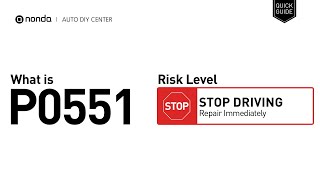
P0551 is one of those codes that’ll make any seasoned tech perk up, because it tells you the PCM-your car’s brain-isn’t seeing what it expects from the power steering pressure sensor. This little sensor is more important than most folks realize. Its main job? Letting the computer know when you’re cranking the wheel, especially during those tight, low-speed maneuvers. That way, the engine can bump up the idle a bit and keep the steering feeling light. It’ll even kick off things like the A/C compressor briefly to help reduce the load when you’re wrestling the wheel. When I see P0551, it means the PCM isn’t picking up the right electrical changes from that sensor. In plain English, you’ve got a problem with the power steering pressure sensor circuit not performing as it should, and that can throw off both how your steering feels and how steady your idle is.
DTC P0551
 5858
5858 6 minutes of reading
Causes of dtc P0551
In my years on the shop floor, the cause for a P0551 code almost always comes down to a handful of main suspects. Top of the list? A failing power steering pressure sensor. But I’ve learned never to stop there. Here’s what I make sure to check every single time:
- A bad power steering pressure sensor (this is what I see most often)
- Low or leaking power steering fluid, since even a small drop in pressure throws the sensor off
- Wiring harness issues-think cracked insulation, corroded wires, or damage from age or rodents
- A blown fuse or a sketchy relay somewhere in the power steering circuit
- Connectors at the sensor itself-sometimes it’s just bent pins, corrosion, or a broken locking tab that’s tripping you up
I can’t stress enough: Don’t just guess. Go through these one by one. Nine times out of ten, the answer’s right here.
Symptoms of obd2 code P0551
If you’ve got a P0551 showing up, you’ll probably notice your car isn’t acting right. What I usually hear from drivers is:
- The idle starts bouncing or going erratic, especially while turning at slow speeds
- Steering feels jerky or choppy-almost like you’re fighting the wheel instead of guiding it
- Sometimes the engine stalls out when you’re parking or making tight maneuvers. That’s always a red flag.
- Whining noises coming from the steering system aren’t uncommon
- Overall, the steering just feels heavier, more sluggish, or less responsive than you’re used to
If you’re running into any of these, trust me, the code is doing more than just lighting up your dash-it’s changing the way your car handles. Don’t ignore it.

Diagnosis and P0551 troubleshooting
Here’s how I run down a P0551, and you can follow along at home if you’re handy with a wrench and a multimeter:
- Start by checking your power steering fluid level. It’s quick, simple, and if it’s low, you may have nailed the problem already. Always top off with the correct fluid for your vehicle.
- Scan around for leaks-look at the pump, hoses, and reservoir. Even a pinhole leak can sap pressure and set off this code.
- Zero in on the wiring and connectors at the power steering pressure sensor. I’ve seen more issues here than I can count: frayed wires, green corrosion, loose plugs. Sometimes unplugging and replugging the connector gives you a clue right away.
- If all that checks out, I hook up a scan tool and watch the sensor’s live data while slowly turning the wheel. You should see a smooth change in readings as you turn. If it’s flat-lined or jumpy, that sensor’s likely toast.
- Don’t overlook fuses and relays-takes seconds to check and can save you hours of head-scratching.
- If you’re not 100% confident with electrical testing, it’s worth grabbing a buddy or heading to a pro. Sometimes it takes two sets of hands (and eyes) to spot what’s wrong.
Here’s a pro-tip: Always rule out the easy stuff-fluid, leaks, and wiring-before thinking about swapping the sensor itself.
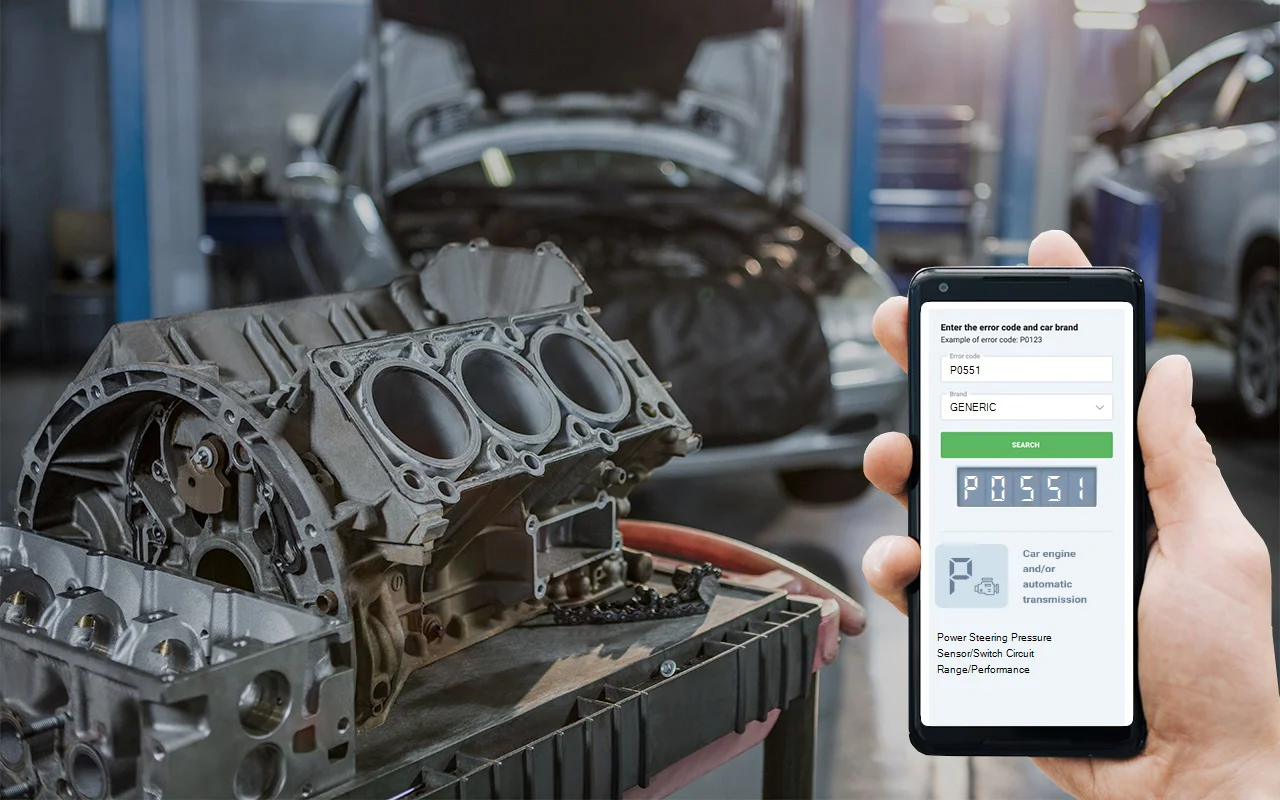
Common Mistakes when fixing P0551 code
A classic mistake I see all the time? Folks get tunnel vision for the sensor and forget everything else. Here are the pitfalls I’ve watched people stumble into:
- Ignoring a power steering fluid leak-if you just pop in a new sensor but the system’s still losing pressure, you’ll be right back at square one
- Overlooking damaged wiring or crusty connectors, which can cause the exact same symptoms as a dead sensor
- Skipping the fuse and relay check-these are fast and can save you a lot of grief
- Blaming the PCM right off the bat, when it’s usually something much simpler (and cheaper!)
My advice? Always chase down the obvious before you start swapping pricey parts.

Seriousness of obd code P0551
Take it from me-P0551 isn’t one of those codes you can just brush off. When your power steering pressure sensor isn’t working right, the car can become tough to steer, especially in parking lots or tight spaces. Worse yet, it can cause a stall right when you least expect it-like turning across traffic or squeezing into a parking spot. That’s not just annoying; it’s downright dangerous. Leave it too long, and you might also end up frying the power steering pump or chewing up other expensive parts if there’s a leak or low pressure. Things escalate fast when steering’s involved, so get this looked at as soon as possible.
Repair tips for P0551 engine code
Once you’ve tracked down what’s really causing that P0551, here’s my go-to list for fixes:
- Swap out the power steering pressure sensor if it’s giving bad readings or is just plain dead
- Patch up or replace any busted wiring or connectors going to the sensor
- Top off the fluid-or better yet, do a full flush if it’s old or dirty-and hunt down any leaks so they don’t come back to bite you
- Replace any blown fuses or sketchy relays tied to the power steering circuit
- On rare occasions, if the PCM’s not responding even after you’ve fixed everything else, you may need some deeper diagnostics
Here’s my final word: Always double-check your repairs, clear the code, and take it for a solid test drive. You want to be sure that steering and idle are back to normal before calling the job done.
Conclusion
If there’s one thing I want you to remember about P0551, it’s that your car’s computer isn’t getting the right message from the power steering pressure sensor-so you wind up with weird idle and steering issues that just won’t quit. Ignore it, and you could end up with a safety hazard (not to mention a bigger repair bill). My best advice? Tackle the basics first: check your fluid, look for leaks, and give those wires a close look. Nine times out of ten, fixing a simple problem like a leak, a bad connection, or a faulty sensor will have you back on the road in no time. Don’t let it fester-jump on it early, and you’ll save yourself a lot of headaches down the road.