
P0552 trouble code Causes
From my time under the hood, here are the most common troublemakers behind a P0552 code:
- Wiring harnesses that are nicked, frayed, or broken around the power steering pressure sensor
- Leaks in the power steering system-fluid finds its way into connectors and sensors more often than you’d think
- A fuse that’s blown or a relay that’s decided to call it quits in the power steering circuit
- The pressure sensor itself going bad, whether from age, contamination, or internal failure
- Electronics taking a beating-corroded or heat-damaged connectors are a frequent sight
- On rare occasions, you might be looking at a fault inside the ECM or PCM
Honestly, most jobs I see come down to bad wires or a dodgy sensor. But don’t get tunnel vision-fluid leaks can wreak havoc, especially if the sensor or its plug is swimming in oil.
P0552 engine code Symptoms
If you’re chasing a P0552, here’s what you might catch your car doing:
- The steering feels stiff or stubborn, especially when you’re maneuvering at slow speeds
- Power steering assist that comes and goes, making the wheel feel unpredictable
- Strange noises-think whining, groaning, or even a faint squeal-from the steering rack or pump
- Puddles or wet spots of power steering fluid under your ride, or right on the sensor itself
- Every now and then, the engine might idle rough or even stall-seen it happen, though not often
- Overall, the car just doesn’t handle right, and you can tell something’s off with the steering response
Here’s a pro-tip from the garage: Don’t put these symptoms on the back burner. Steering problems have a way of going from annoying to downright dangerous faster than you’d expect.

obd2 code P0552 Diagnosis
Let me walk you through how I tackle a P0552 diagnosis, step by step:
- First thing’s first-pop the hood and check the power steering fluid. If it’s running low, top it up, but keep your eyes peeled for leaks around the pump, lines, and especially by the sensor.
- If you spot drips or wetness, particularly near the sensor or hose fittings, sort those leaks out before going any further. A leak isn’t just messy; it’s often the root of the electrical trouble.
- Next, eyeball the power steering pressure sensor. If it’s caked in oil or looks physically damaged, that’s a strong clue-sometimes these sensors let fluid seep right through them.
- Give the electrical connector a close look. Oil, corrosion, or even a bit of melted plastic can cause all sorts of headaches. Clean it up before you reconnect anything.
- Always disconnect the battery before poking around with wires. You don’t want any surprises.
- Check for loose wires or lines that might be rubbing on something-they can wear through and short out, and I’ve seen more than a few cases like that.
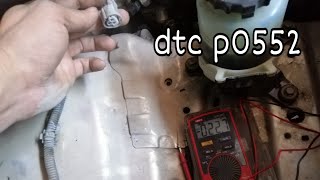
- Break out your multimeter and check for continuity and voltage in the harness, matching what your manual says for that car. Test both the sensor and the wiring all the way back to the ECM/PCM.
- If you’re hitting a wall, sometimes the issue is deeper-like a rare ECM/PCM fault. At that point, don’t be shy about getting a more advanced diagnostic done at the shop.
My advice? Don’t go it alone if you don’t have to-an extra set of eyes or hands makes leak checks and electrical work a lot easier. And remember: Let everything cool down before you mess with the power steering system. Those lines can be under some real pressure, and burns or sprays aren’t worth the risk.
P0552 code Common Mistakes
A classic mistake I see with P0552 diagnostics is folks jumping the gun and swapping sensors without looking for leaks or bad wiring first. Here are the usual missteps:
- Going straight to a new sensor, skipping over wiring checks or fluid inspection
- Missing the telltale sign of oil in the connector, which can throw off the whole circuit
- Forgetting to check the basics-fluid level, blown fuses, or simple connector issues
- Not disconnecting the battery before electrical work (trust me, you don’t want to learn that lesson the hard way)
- Skipping the service manual and guessing at specs or procedures
Take it from me: Slow down and work through the basics. Most fixes are staring you right in the face if you take the time to look.

obd code P0552 Seriousness
I’ll be blunt-while your car might limp along with this code, you’re playing with fire if you ignore it. Lose power steering altogether, and suddenly parking or making tight turns feels like arm-wrestling a gorilla. That’s not a situation you want to find yourself in, especially if it happens unexpectedly. To make matters worse, fluid leaks can ruin other expensive parts-alternators, wiring, you name it. What starts as a simple fix can snowball into a nightmare repair bill if you let it slide. If you drive a Hyundai, dtc p0552 hyundai means you need to pay close attention-your model may have unique vulnerabilities. Bottom line: Don’t let this one fester. Get it checked and fixed before you end up stranded or worse.
P0552 Repair
When it comes to actually fixing a P0552 code, here’s what’s worked for me and plenty of other techs in the trenches:
- Patch up or replace any damaged wires or connectors running to the power steering pressure sensor
- Stop those power steering fluid leaks-especially around the sensor and hose junctions
- Swap out the power steering pressure sensor if it’s proven faulty or you spot leaks coming from it
- Replace any blown fuses or bad relays in that circuit
- Clean up connectors soaked in oil and make sure they’re snug and corrosion-free
- On the rare chance the ECM/PCM is to blame, repair or replace as needed-but don’t go there until you’ve ruled everything else out
Here’s my advice: Always start with the simple stuff-fluid, leaks, and wiring. Nine times out of ten, that’s where you’ll find the solution, well before you need to swap out sensors or modules.

Conclusion
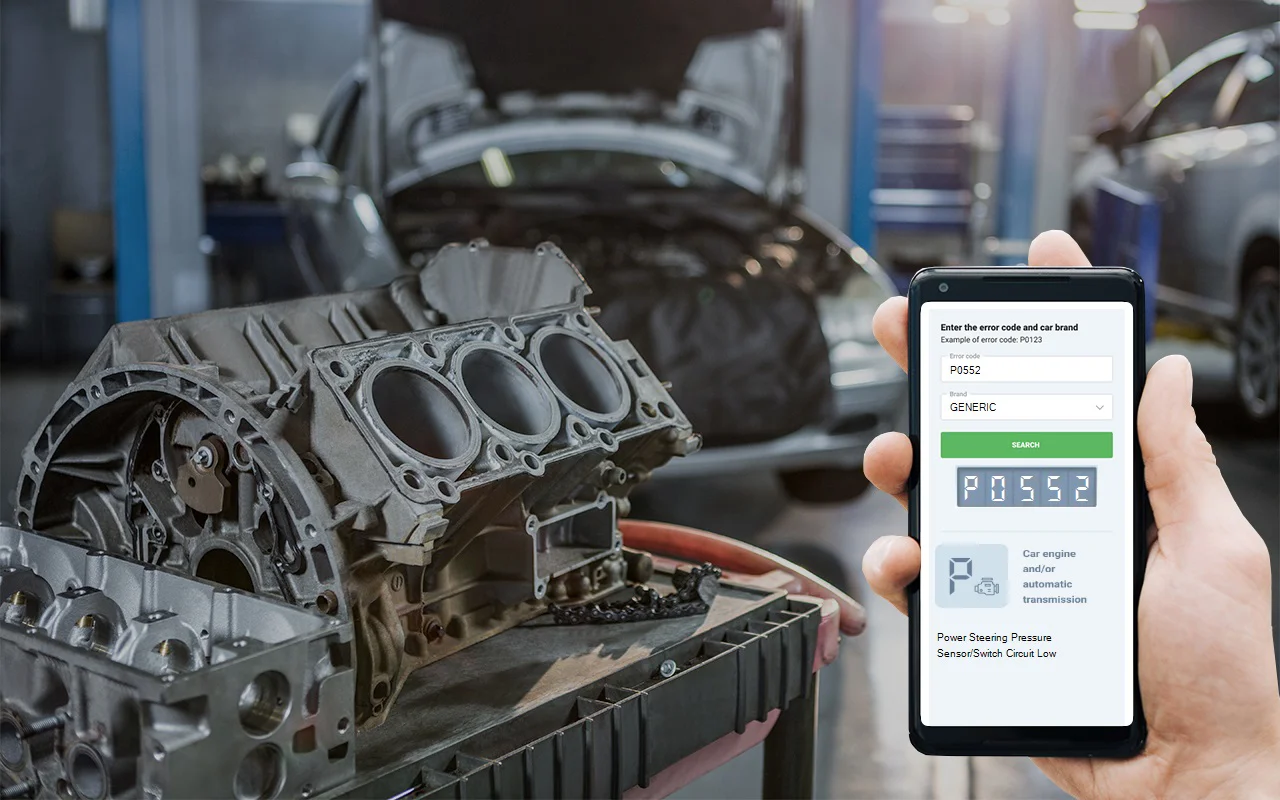
If you’re staring down a P0552, what your car’s really saying is that the power steering pressure sensor circuit is reading low-almost always thanks to a wiring snag, a dodgy sensor, or a sneaky fluid leak. While you might not get stranded right away, don’t kid yourself: Steering issues can get hairy fast. The smartest move is to check the basics-fluid, leaks, wiring, connectors-before you start replacing parts. In my experience, the root cause is usually staring you right in the face if you’re thorough. Don’t brush this code aside; tackle it now and save yourself a world of trouble and expense later. Your safety’s worth it.
 5321
 7 minutes of reading