
Causes of P0553 trouble code
From what I’ve seen in the shop and what’s confirmed by the official manuals, the most common causes for a P0553 code are:
- Damaged or broken wiring harness to the power steering pressure sensor
- Leaking power steering fluid (sometimes right through the sensor itself)
- Blown fuse or faulty relay in the power steering circuit
- Defective power steering pressure sensor
- Problems with the ECM or PCM (rare, but possible)
- Poor electrical connections or corroded/loose connectors at the sensor
Most often, it’s a wiring or sensor issue, but don’t overlook fluid leaks - they can cause both electrical and mechanical headaches.
Symptoms related to P0553
When this code pops up, you might notice a few things while driving. The most common symptoms I hear about from customers are:
- Engine idling rough or even stalling, especially when turning the wheel
- Steering feels heavy or the power assist cuts in and out
- Strange whining or groaning noises from the steering system
- Visible power steering fluid leaks under the car or around the sensor
- Poor handling or the steering just doesn’t feel right
Sometimes, the only clue is the check engine light, but honestly, if you’re having trouble steering or hearing odd noises, don’t ignore it.

Diagnosis steps for P0553 engine code
Here’s how I usually go about diagnosing a P0553 code, step by step:
- First, I always check the power steering fluid level. Low fluid is a red flag - if it’s low, there’s a leak somewhere that needs fixing before anything else.
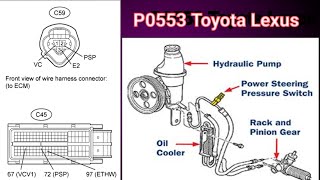
- Next, I look for obvious leaks around the pump, hoses, and especially the sensor itself. Sometimes the sensor will leak right through its body.
- Then, I inspect the sensor and its wiring. I check for any signs of fluid soaking the connector, corrosion, broken wires, or loose plugs. If the connector is oily, I clean it thoroughly before reconnecting.
- After that, I check for physical damage. If the sensor or its wiring is rubbing against something or looks banged up, that’s a likely cause.
- Now, I use a multimeter to test the sensor circuit. I disconnect the sensor and the ECM, then check for proper resistance and continuity as specified in the service manual. This helps rule out wiring faults.
- If everything checks out so far, I’ll test the sensor itself according to the specs. If it’s out of range, it needs replacing.
- Don’t forget to check for any relevant technical service bulletins (TSBs) - sometimes there’s a known fix that can save a lot of time.
It’s best to have someone help you turn the wheel while you check for leaks or noises. And always disconnect the battery before working on electrical parts.
Common mistakes when diagnosing obd2 code P0553
I’ve seen a few common slip-ups with this code that can waste time and money:
- Skipping the fluid level and leak check - fixing wiring won’t help if fluid is still leaking onto the sensor
- Overlooking corroded or oil-soaked connectors, which can cause intermittent faults
- Replacing the sensor without testing the wiring or checking for blown fuses
- Not consulting the service manual for the correct sensor specs and test procedures
- Forgetting to check for TSBs that might point to a known issue
Take your time with the basics before jumping to conclusions - it’ll save you headaches down the road.

Seriousness of the P0553 code
While you might still be able to drive with this code active, it’s not something to put off. Loss of power steering assist can make the car hard to control, especially at low speeds or in emergencies. Fluid leaks can get worse and damage other components, and electrical faults can lead to more expensive repairs if ignored. Honestly, you don’t want to risk losing steering assist in a tight spot - things can go south quickly. Parts at risk include the power steering pump, hoses, and even the ECM if fluid gets into the wiring.
Repair options for obd code P0553
Based on what’s worked in the field and what the manuals recommend, here’s how this is usually fixed:
- Top off the power steering fluid and repair any leaks (replace hoses, clamps, or the sensor if needed)
- Replace the power steering pressure sensor if it’s faulty or leaking
- Repair or replace damaged wiring or connectors, making sure everything is clean and dry
- Replace blown fuses or faulty relays in the power steering circuit
- If all else fails, further diagnosis of the ECM/PCM may be needed, but that’s rare
Always clear the code and test drive the car to make sure the fix worked.

Conclusion
To sum it up, P0553 means your power steering pressure sensor circuit is reading too high, usually due to electrical or fluid issues. It’s not the most urgent code out there, but ignoring it can lead to tough steering and bigger repairs. Start with the basics: check fluid, look for leaks, inspect wiring and the sensor. Most of the time, fixing a leak or replacing the sensor solves the problem. Don’t wait until you lose steering assist when you need it most - get it checked and fixed as soon as you can.
 5747
5747 6 minutes of reading