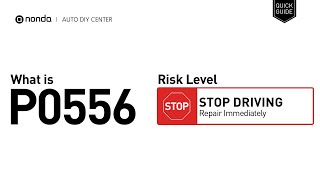
When you see a P0556 code pop up, you’re dealing with a brake booster pressure sensor circuit issue. In all my years wrenching on cars, I’ve found this sensor is what your car’s computer uses to keep tabs on the vacuum or pressure inside the brake booster-the very thing that makes your brakes feel light and easy to press. Without it, you’d have to stomp down hard every single time you wanted to slow down. The PCM (powertrain control module) constantly keeps an eye on this sensor to make sure your brake assist system is running smoothly. If those readings drift out of whack, or if the circuit glitches, the PCM throws the P0556 code and lights up your dash-usually the brake or check engine light. I’ve seen this setup in everything from Fords and Dodges to Subarus and Hyundais. So, if you’re seeing this code, you’re not alone; it’s a common one across loads of modern vehicles.
DTC P0556
 5606
5606 5 minutes of reading
Causes and dtc P0556
In my experience, the main culprit behind a P0556 code is almost always a bum brake booster pressure sensor. But, I’ve lost count of how many times a simple cracked or leaking vacuum hose was the real troublemaker. Don’t overlook those hoses. Other times, I’ve found corroded connectors, busted wiring, or even a failing brake booster at the heart of the issue. And while it’s rare, the PCM itself can act up. Here’s a quick list of what I always check first when I run into this code:
- Faulty brake booster pressure sensor
- Leaking, split, or worn-out vacuum lines
- Corroded or loose electrical connectors
- Shorted or broken wiring
- Defective brake booster
- PCM problems (not common, but it happens)
Symptoms of obd2 code P0556
When this code’s active, here’s what you’re likely to notice: That brake warning or check engine light is the first red flag. Sometimes, you might catch your brake lights flickering or staying lit when you hit the pedal. But pay attention to how your brakes feel-if you suddenly need to mash the pedal a lot harder than usual, it’s a dead giveaway something’s off with the booster. I always tell folks, don’t mess around if your brakes feel stiff or unpredictable. That’s not just an inconvenience; it’s a safety risk.

How to Diagnose a P0556 engine code
Here’s how I go about diagnosing a P0556 code. First thing-pop the hood and eyeball those vacuum hoses running to the brake booster. Look for cracks, loose ends, or soft spots. Sometimes, just giving them a wiggle tells you all you need to know. Next up, I check out the wiring and connectors at the pressure sensor and booster. Corrosion, bent pins, or brittle wires are all things I’ve seen cause this headache. Unplug those connectors and check for green corrosion or any signs of moisture. If everything looks clean, I’ll grab my multimeter and check for the right voltage and ground at the sensor-always using the specs for that particular car. If the sensor’s got power but isn’t sending the right signal back to the computer, it’s toast. Don’t forget to listen for that tell-tale hissing of a vacuum leak with the engine running, or try a little soapy water on the hoses-bubbles mean trouble. And if poking around with electrical stuff isn’t your thing, don’t be shy about calling in a pro. One more thing: check for technical service bulletins for your make and model; sometimes there’s a known fix the manufacturer already knows about.
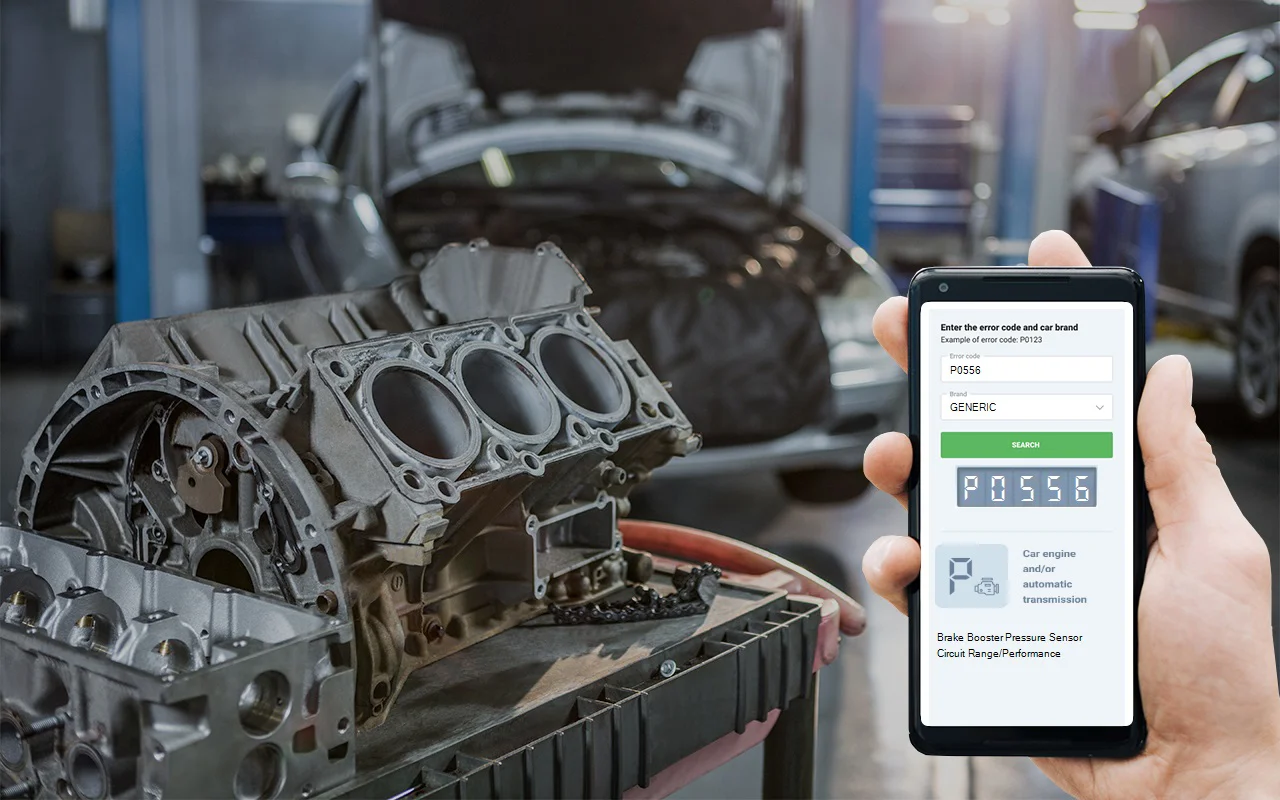
Common Mistakes When Fixing a P0556 code
A classic mistake I see all the time? People rush out and swap the sensor without even glancing at the hoses or connectors. That’s an easy way to waste cash and time. Another thing: skipping a thorough look at the wiring. Over the years, I’ve fixed plenty of these codes with nothing more than a simple wire repair. And don’t overlook tiny vacuum leaks-just a hairline crack can bring the whole system down. Always follow a solid diagnostic plan tailored to your car, because every model has its own quirks.

How Serious is a P0556
This isn’t something you want to ignore. If your brake booster isn’t doing its job, you’ll be caught off guard by how much leg muscle you suddenly need to stop. In an emergency, that’s the last surprise you want. Let this code slide too long, and you could do real damage to the booster or even the master cylinder. Plus, a confused PCM might start throwing off other safety features. Bottom line: Don’t gamble with your brakes. Get it checked and fixed ASAP-it’s your safety on the line.
Repair Tips for obd code P0556
When it comes to fixing a P0556, what you do depends on what you find. If the sensor’s dead, replace it. Got a vacuum line that’s cracked or loose? Swap it out. Corroded connectors or busted wires? Clean or repair them. If you track the problem back to the brake booster itself, you’ll need a new one. And if, by some stroke of bad luck, the PCM’s at fault, you might have to reprogram or replace it-but that’s a rare one. Always use parts that match your car, and stick to the service manual for your specific make and model. That way, you do the job right the first time.
Conclusion
So here’s the deal: P0556 means your brake booster pressure sensor circuit isn’t happy, and that spells trouble for your braking system. If you notice warning lights or the pedal gets stiff, don’t wait-get it looked at pronto. Start with the simple stuff like hoses and connectors, then move to the sensor and wiring. Most of the time, a careful step-by-step approach sorts it out without too much fuss. Tackle it early, and you’ll avoid bigger headaches-and keep yourself safe-down the road.