
Causes and dtc P0561
From my time under the hood, the number one thing that sets off a P0561 code is a bad alternator. But that’s not the only suspect. Here’s what I usually run into:
- Excess resistance or an open in the wiring running from the alternator to the battery
- High resistance or a break in the circuit between the alternator and the PCM
- Alternator failure itself (far and away the most common issue in my book)
- PCM going bad (doesn’t happen often, but it’s not impossible)
Most of the time, it comes down to an electrical issue. My advice: always start with the simple stuff before assuming the worst.
Symptoms of obd2 code P0561
If you’ve got this code stored, there are some telltale signs you’ll probably spot right off the bat. First, your check engine light comes on-and more often than not, you’ll see the red battery warning light, too. Sometimes, the shifting might get weird, or the car might not want to start at all. I’ve even seen engines fire up, only to stall a few seconds later. Keep an eye on your gas mileage, too; a sudden drop can be a clue. All these symptoms are your car’s way of saying the charging system isn’t pulling its weight. Trust me, you don’t want to let that slide.

Diagnosis and obd code P0561
Let me walk you through how I tackle a P0561 diagnosis, step by step:
- First thing, I always check for Technical Service Bulletins (TSBs) tied to this code for your specific make and model. Sometimes the fix is already out there, straight from the manufacturer.
- Next, I eyeball the charging system. That means making sure the alternator belt isn’t cracked, glazed, or too loose. You’d be surprised how often a simple belt issue is the root cause.
- With the engine running, I’ll switch on the headlights and blower to put a load on things. Then I grab my digital voltmeter and check the battery voltage. You want to see between 13.2 and 14.7 volts. Anything much below 12 volts or over 15.5 volts usually means the alternator’s acting up.
- If the numbers look good, I’ll clear the code and road test the car. Sometimes these codes just pop up, stick around, and never come back.
- But if that code returns, it’s time for a close look at all the wiring and connectors between the alternator, battery, and PCM. I’m hunting for frayed wires, greenish corrosion, burnt or melted spots-any sign of trouble. I’ll unplug connectors, check for bent pins or corrosion, clean them up, and dab on some dielectric grease before reconnecting.
- If things still don’t add up, I’ll check the ignition power circuit at the PCM with a voltmeter. Low voltage here means I’m tracing wiring until I find the bad spot.
- I also check the PCM ground using a test light. If the light stays dark, we’ve got a ground problem. Sometimes just wiggling the harness while watching the light will expose an intermittent connection.
- If all the wiring, connections, and grounds check out and P0561 still won’t go away, I start thinking about the PCM itself. That’s rare, but it happens. At that point, you’re better off letting a pro with the right equipment handle it-replacing and programming a PCM isn’t a casual Saturday project.
Common Mistakes with the P0561 trouble code
A classic mistake I see is folks swapping out the alternator or even the PCM right away, without ever checking the wiring or the alternator belt. Overlooking a loose or worn belt is especially common-and it’ll have you chasing ghosts in the electrical system. Save yourself some headaches (and cash) by always starting with the basics. Trust me, it pays off.

Seriousness of the P0561 code
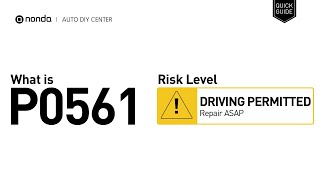
Don’t sleep on this code. A charging system that’s not up to snuff can leave you stranded with a dead battery, or worse, cause the car to die while you’re driving. Too much voltage can fry electronics, while too little can kill your battery, mess with the transmission, or even take out the PCM itself. Bottom line? This is a safety issue-let it go, and you’re asking for trouble.
Repair options for P0561
From what I’ve seen in the shop-and what the repair manuals back up-these are the steps that usually fix a P0561 code:
- Swap out the alternator if it’s not charging or the voltage is out of spec
- Repair or replace any wiring or connectors that look corroded, damaged, or loose between the alternator, battery, and PCM
- Replace an alternator belt that’s seen better days or isn’t tight enough
- Clean and tighten all electrical connections, especially at the PCM and battery
- In those rare cases where nothing else works, replace the PCM-but only after you’ve exhausted all the other options and have the right tools for programming

Conclusion
Here’s the bottom line: P0561 is your car’s way of throwing up a red flag about the charging system voltage. In my experience, it’s usually a bad alternator or some wiring gremlins behind the problem, and the symptoms run from annoying warning lights to no-starts, stalling, or even shifting problems. Ignore it, and you could be left waiting for a tow-or facing a much bigger repair bill. Start with the basics: check the belt, battery, and wiring first. Only dig deeper if you have to. If you stay methodical and tackle the easy stuff before going after the big-ticket items, you’ll keep your ride reliable and avoid any unwelcome surprises.

 4980
4980 6 minutes of reading