
Causes of obd2 code P0563
From experience, the most common reason for this code is a faulty alternator that’s putting out too much voltage. But there are a few other things that can trigger this code. Here’s what I usually see:
- Alternator failure (most common-regulator inside the alternator goes bad)
- High resistance in the cable between the alternator and battery (sometimes corrosion or a loose connection)
- Open or shorted wiring between the alternator and PCM
- PCM failure (rare, but possible if everything else checks out)
It’s usually the alternator, but don’t overlook the wiring and connections-they can surprise you.
Symptoms of dtc P0563
When this code pops up, you’ll likely notice a few things. The check engine light will almost always come on. You might also see the red battery warning light. In some cases, the car might not shift gears properly, or it could even stall or refuse to start. Sometimes, you’ll notice worse fuel economy. If you’re seeing any of these, don’t ignore them-they’re your car’s way of asking for help.

Diagnosis steps for P0563 trouble code
Let me walk you through how I’d tackle this one, step by step:
- First thing’s first-always check for Technical Service Bulletins (TSBs) tied to your make and model. Automakers sometimes know about these issues before anyone else does, and a TSB can save you a ton of hassle.
- Next, I get my hands dirty with the basics: pop the hood and look at the alternator belt. A loose or glazed belt can throw the whole charging system out of whack.
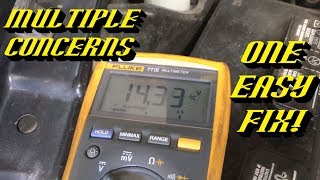
- Then, with the engine running and some electrical load turned on (I like to flip on the headlights and blower fan), I grab my digital voltmeter and check the battery voltage. You want to see something in the 13.2 to 14.7 volt range. If the reading’s pushing past 15.5 volts, that alternator’s likely your troublemaker.
- If everything looks normal, I clear the code and take the car for a spin-or just run it a bit-to see if the code returns. Sometimes, a weird spike is just a fluke.
- If P0563 pops back up, time to dig into the wiring and connectors between the alternator, battery, and PCM. I’ve lost count of how many times a little corrosion or a frayed wire was the hidden culprit. Make sure to unplug connectors and look for green corrosion or burnt pins-cleaning and a dab of dielectric grease can do wonders.
- If all that wiring checks out, I’ll measure voltage right at the PCM. If it’s lower than what I saw at the battery, the wiring’s likely at fault. Don’t forget to check the PCM’s ground with a test light-it needs a solid ground to do its job right.
- Now, if you’ve chased all these leads and the code still won’t quit, you might be looking at a PCM problem. But I’ll say it straight: replacing a PCM is rare and pricey, so get a second opinion from a pro with the right diagnostic gear before you open your wallet.
Here’s a tip-having a buddy around makes this process a lot smoother, especially when you’re dealing with live circuits and chasing down voltage drops.
Common Mistakes in fixing P0563
Over the years, I’ve seen folks make a few classic blunders with this code. Number one: swapping out the alternator right away without checking the simple stuff like wiring or crusty connectors. Another one? Overlooking the alternator belt. If it’s slipping, you might chase your tail with voltage issues for days. Skipping TSBs is another misstep-those bulletins exist for a reason. And trust me, a little green corrosion on a connector can cause headaches way out of proportion to its size. Miss any of these, and you could end up wasting money and time, only to have the problem come right back.

Seriousness of P0563 engine code
Don’t drag your feet with this one. High voltage isn’t just a nuisance-it can roast sensitive electronics, toast the battery, and even cause your car to stall out of nowhere. I’ve seen cars stall on the highway because of this, and that’s a dangerous situation you don’t want to be in. We’re talking serious risk to your PCM, transmission computer, and all those pricey modules behind your dash. The fix is straightforward, but the damage can get expensive fast if you let it slide. My advice: get on it right away.
Repair tips for obd code P0563
Here’s what usually gets the job done, based on what I see in the bay and what the repair manuals back up:
- If the alternator’s overcharging, swap it out (that’s the fix most of the time)
- Patch up or replace any wiring that’s corroded, melted, or broken between the alternator, battery, and PCM
- Go around and clean every charging system connection you can find-battery posts, grounds, the works-and snug them down tight
- If the alternator belt looks worn, frayed, or is screeching, throw a new one on
- On the rare chance that the PCM’s at fault, replace or reprogram it, but only after you’ve ruled out everything else-don’t jump the gun here
My rule of thumb? Always start with the easy, cheap stuff. Nine times out of ten, you’ll solve it without breaking the bank.


Conclusion
Bottom line: P0563 means your car’s charging system is cranking out too much voltage, usually thanks to a bad alternator or sketchy wiring. Don’t let this one fester-it can fry electronics and leave you stranded at the worst moment. The smartest move is to give your alternator, wiring, and connections a thorough once-over, and only think about a new PCM if you’ve checked everything else. Fix it fast and your car will thank you by running smooth and staying reliable.

 6252
6252 6 minutes of reading