
Causes of P057B trouble code
Most often, when I see a P057B code, it’s because the brake pedal position sensor itself is faulty or has worn out. But there are a few other things that can trigger this code, and I always keep these in mind during diagnosis:
- Brake pedal position sensor failure or internal wear
- Connector issues, like loose pins or corrosion at the sensor plug
- Damaged wiring between the sensor and the control module
- Sensor misalignment or improper installation
- Rarely, a fault in the vehicle’s electronic control module (ECM)
From experience, the sensor itself is the culprit most of the time, but it’s wise not to overlook the wiring and connectors.
Symptoms of P057B code
If this code pops up, you might notice a few things while driving. The most common is a warning light on your dashboard, usually the check engine light or sometimes a specific brake system warning. You could also find that cruise control won’t engage or drops out unexpectedly. In some cases, the brake lights may not work as they should, or you might feel the pedal isn’t responding quite right. I’ve seen drivers report a ‘soft’ or ‘spongy’ brake pedal feel, but that’s less common. If you notice any of these, it’s a sign the sensor isn’t sending the correct signals.

Diagnosis steps for dtc P057B
Here’s how I tackle a P057B code, step by step. First, I recommend starting with a visual inspection. Pop the hood and locate the brake pedal position sensor, usually mounted near the brake pedal assembly. Check the connector for any signs of corrosion, loose pins, or damage. It’s better to have someone assist you by pressing the pedal while you watch for movement or odd behavior. Next, inspect the wiring for any fraying, pinching, or exposed wires. If everything looks good, I move on to testing the sensor itself using a scan tool. I check the live data to see if the sensor’s readings change smoothly as the pedal is pressed. If the values jump around or get stuck, that’s a clear sign of trouble. Sometimes, I’ll remove the sensor and bench test it with a multimeter to confirm it’s working within spec. Don’t forget to check for proper alignment and secure mounting, as a misaligned sensor can cause false readings. If all else fails, I check the ECM for faults, but that’s rarely the issue.
Common mistakes when fixing obd code P057B
One thing I see a lot is folks jumping straight to replacing the sensor without checking the wiring or connector first. That’s a surefire way to waste time and money. Another common slip is ignoring the possibility of a misaligned sensor after a brake job or pedal replacement. I’ve also heard of people overlooking the need to clear the code and retest after repairs, which can leave you chasing your tail. Always double-check the basics before moving on to more expensive parts.

How serious is obd2 code P057B
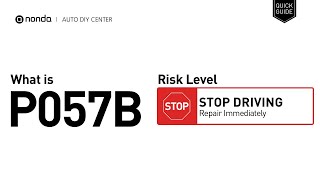
This isn’t something to ignore. If the brake pedal position sensor isn’t working right, it can mess with your brake lights, cruise control, and even some safety systems. Honestly, it’s dangerous to drive around with this kind of issue, because the risks just aren’t worth it. If left unchecked, you could end up with a brake system that doesn’t respond properly, or worse, the car might not recognize when you’re braking. Over time, faulty signals can even damage the electronic control module or other related components. Things can go south quickly if overlooked, so don’t put this off for later.
How to repair P057B
In cases like this, it’s usually a matter of replacing the brake pedal position sensor with a new OEM part. I personally recommend cleaning and inspecting the connector and wiring before installing anything new. If you find corrosion or damaged wires, repair or replace them as needed. Make sure the sensor is properly aligned and securely mounted. After repairs, clear the code and test drive the vehicle to confirm the fix. If the problem persists, further diagnosis of the control module may be needed, but that’s rare.

Conclusion
To sum it up, P057B means your car’s brake pedal position sensor isn’t working as it should, and that’s a serious hazard. The priority here is high-don’t wait to get this checked out. Start with the simple stuff: inspect the sensor, wiring, and connectors. Most often, replacing the sensor solves the problem, but always confirm with a proper test. Acting quickly is the best way to avoid bigger headaches and keep your vehicle safe on the road.
 4291
4291 5 minutes of reading