
Common Causes of obd code P0588
Over the years, I’ve run into quite a few P0588 codes, and the root causes tend to fall into a handful of categories:
- A faulty cruise control switch-the lever or button you use to set and adjust your speed can go bad, and it’s a frequent offender.
- Poor connections at the speed/vent control solenoid. A classic mistake I see is overlooking a corroded or loose connector here.
- Wiring harness problems-think damaged, shorted, or broken wires right in the vent control circuit.
- Vacuum leaks or clogged lines in the cruise system. Don’t underestimate a cracked hose-it can throw the whole system off.
- Corroded or damaged connectors in the circuit. Even a little green corrosion can mess up your signals.
- A failed vent control solenoid. These can burn out or stick internally.
- Blown fuses tied to the vent circuit-sometimes the blown fuse is the problem, other times it’s a symptom of something bigger.
In my experience, the switch or a wiring issue is usually to blame, but don’t rule out vacuum leaks-those sneak up more often than you’d think.
Typical Symptoms of obd2 code P0588
If your vehicle’s throwing a P0588 code, here’s what you’ll probably notice on the road:
- Cruise control just won’t set or keep your speed, no matter how many times you push the button.
- The check engine light or sometimes a cruise control warning light comes on. Sometimes it takes a few drives before you see it light up.
- Cruise control might work on and off, or it might quit entirely.
- Every now and then, you’ll find a blown fuse in the cruise system.
So, if your cruise control is acting up, this code should be high on your suspect list.

Step by Step Diagnosis for P0588
When I’m chasing down a P0588, here’s how I walk through the troubleshooting:
- Start by checking for any Technical Service Bulletins (TSBs) for your specific model. Sometimes the manufacturer’s already seen this issue and has a fix lined up.
- Next up, take a close look at the cruise control switch. Make sure it feels right-no sticking or looseness. If it’s not behaving, you may have found your culprit.
- Then, inspect the wiring and connectors. Look for obvious problems: broken wires, corrosion, or loose plugs at the switch, solenoid, and fuses. Don’t forget to check the fuse box for any that are blown.
- After that, move on to the vacuum lines. Look for cracks, leaks, or blockages. Here’s a pro-tip from the garage: have someone tug gently on the hoses while you listen for any hissing or feel for leaks with your hand.
- If everything checks out so far, test the vent control solenoid using a multimeter. You want to see if it’s getting power and if the resistance is in spec. A bad solenoid sometimes looks fine but fails internally.
- Finally, if you’re still stumped, use a scan tool to watch the live data and run some cruise system tests. You want to be sure the ECM is sending (and receiving) the right signals.
My advice? Always start with the easy stuff-switches and fuses-before tearing into the more complicated parts.
Common Mistakes When Fixing P0588 code
Here’s where I see folks trip up when trying to fix a P0588:
- Swapping the cruise switch right away without even checking the wiring or connectors. Sometimes all it takes is pushing a plug back in or changing a fuse.
- Missing vacuum leaks. These can be subtle but cause a ton of headaches in the cruise system.
- Not following the service manual, especially when working around the airbag or steering wheel. Trust me, you don’t want to set off an airbag by accident.
- Skipping over TSBs. A lot of times, the fix has already been worked out by the manufacturer-no need to reinvent the wheel.
Bottom line: don’t rush, and always double-check the basics before buying expensive parts.

How Serious is the P0588 engine code
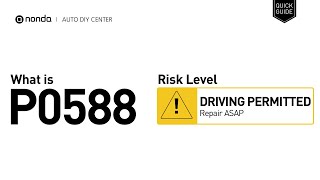
Honestly, P0588 isn’t the sort of code that’ll leave you on the side of the road, but it shouldn’t be ignored-especially if you use cruise control a lot. The biggest issue is losing the comfort and safety cruise brings on long trips. But here’s the thing: electrical issues can get out of hand, sometimes blowing fuses or even taking out your ECM or wiring if left unchecked. And if there’s a vacuum leak, sooner or later it could mess with other systems, like your HVAC controls. So, don’t just shrug it off. Get it sorted before it turns into a much bigger-and costlier-problem.
Recommended Repairs for dtc P0588
Based on what I’ve seen in the shop and what the manufacturers recommend, here’s what usually sets things right:
- Swap out a faulty cruise control switch-that’s the most common fix, hands down.
- Repair or replace any damaged wires or connectors in the vent control circuit.
- Track down and fix vacuum leaks, or swap out any cracked hoses in the cruise setup.
- If the vent control solenoid fails a test, it’s time for a new one.
- Replace any blown fuses, but make sure you figure out why it blew so it doesn’t just happen again.
One last word of advice: always check your service manual, especially if you’re working near the steering wheel or airbag. If you’re not sure about doing these repairs, it’s smarter-and safer-to let a pro handle it.


Conclusion
So, to wrap it up, a P0588 code means your cruise control vent control circuit is seeing too much voltage, and your cruise control isn’t going to work until it’s fixed. It won’t keep you from driving, but it sure can be a pain-especially if you’re hitting the highway a lot. What I’ve learned is you always want to start simple: check the switch, look at wiring and fuses, then move on to vacuum lines and the vent solenoid. Don’t let it sit, because those electrical and vacuum issues rarely fix themselves. Get it handled, and you’ll have your cruise control working again before you know it.

 4848
4848 6 minutes of reading