
Main Causes of obd code P0594
Here’s what years in the shop have taught me about what actually sets off a P0594 code:
- The cruise control servo itself has kicked the bucket or is acting up
- The servo cable is busted, jammed up, came loose, or just isn’t adjusted right
- Wiring problems-think frayed insulation, green fuzz from corrosion, or plugs that wiggle when they shouldn’t
- The ECM itself can be the problem, but honestly, that’s rarer than you’d think
- Water sneaking into the servo or its connector-always a potential troublemaker
- Connector issues, like bent pins or contacts that just aren’t making a solid connection
Most of the time, it’s either the servo or its wiring that’s to blame. I always chase down those basics before even thinking about the ECM.
Recognizing dtc P0594 Symptoms
When this code’s hanging around, here’s what you and your right foot will probably notice:
- Cruise control just flat-out refuses to work
- If it does kick in, the speed might wander or won’t stay locked where you set it
- The car could get stuck at a certain speed, or not respond when you try to adjust cruise control
- The number on the dash doesn’t match the speed you wanted
- Some cruise features might be flaky, or nothing works at all
More often than not, folks realize something’s off when the cruise control light starts flashing, or the system just won’t engage when you hit the highway.

How to Diagnose obd2 code P0594
Let me walk you through how I’d tackle a P0594 diagnosis, step by step:
- First thing, I always check for Technical Service Bulletins (TSBs) for your make and model-sometimes there’s a factory fix hiding in plain sight.
- After that, I pop the hood and hunt down the cruise control servo, usually hanging out near the throttle body. I give everything a hard look-damaged cables, cracked or split vacuum lines, or anything that just looks wrong.
- I’ll grab the servo cable and see if it moves smoothly. If it’s jammed, frayed, or popped off its track, there’s your problem.
- Then I check all the vacuum lines feeding the servo. Any with splits or that feel crunchy need to go-vacuum leaks are a sneaky cause and fixing them is quick and cheap.
- Next, I get into the electrical side-inspecting the servo’s connector and wiring harness for broken plastic tabs, wobbly pins, rust, or water damage. Any sign of trouble here means it’s time for repairs or replacements.
- If my visual checks look good, I break out the multimeter and start checking for continuity and proper voltage in the servo circuit, using the wiring diagram for your specific car.
- If I’ve got a scan tool handy, I’ll watch the data stream from the servo while activating cruise control (with the car safely supported and the drive wheels off the ground, if needed). I compare what the ECM says is happening to what I actually see under the hood.
My advice? Always start with the basics-look and feel-before diving into electrical testing. And if you aren’t comfortable poking around live wires, let a pro handle the diagnostics.
Avoiding Common P0594 trouble code Mistakes
A classic mistake I see is people throwing expensive parts at the problem right out of the gate-replacing the cruise servo or even the ECM before checking the easy stuff. Don’t overlook the cables and vacuum lines; they’re cheap, easy fixes that get skipped too often. Another thing that trips folks up is ignoring the connectors-sometimes all it takes is a bit of corrosion or a loose pin to set off the code. Skipping the TSB check can be a real miss, too; the manufacturer may have already solved your problem for you. Take your time, check everything in order, and you’ll save yourself a lot of frustration (and money).

The Seriousness of a P0594 engine code Issue
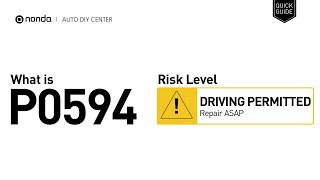
While P0594 isn’t as hair-raising as a brake or steering failure, you can’t just shrug it off. Your cruise control servo has a direct line to the throttle, and if things go sideways, you could get unexpected speed changes-which is the last thing you want flying down the interstate. Plus, leaving this code active could mean missing out on other warnings your car’s computer wants to give you. In rare cases, ignoring the problem can snowball into more headaches, like burnt wiring or even ECM trouble. My advice? Don’t let it linger-get it sorted before you end up with a bigger mess.
Effective Repair Steps for P0594 code
From what I’ve fixed over the years and what the OEMs recommend, here’s what typically sorts out a P0594 code:
- Replace or repair the cruise control servo if it’s not doing its job
- Swap out or adjust the servo cable if it’s busted, binding, or not set right
- Patch up or replace any damaged wiring or suspect connectors in the servo circuit
- Change out any vacuum lines to the servo that are cracked or leaking
- Give all the electrical connections a good cleaning and make sure they’re tight
- On the rare occasion it’s the ECM, reprogram or replace it only after ruling out everything else
Here’s a pro-tip from the garage: Start with the simple fixes-cables, lines, connections-before you shell out for pricey parts.



Conclusion
Here’s the bottom line: P0594 means your cruise control servo circuit isn’t doing what it should, and your cruise control has checked out. It’s not the scariest code out there, but getting it fixed quickly can save you a ton of headaches and keep your car’s systems running like they should. Begin with a careful look at the cables, vacuum lines, and wiring, then dig into electrical checks if you have to. Nine times out of ten, once you find the culprit, the fix is straightforward. Don’t put it off-sorting it now will spare you time, cash, and hassle down the road.

 4944
4944 6 minutes of reading