
Causes of P0595 trouble code
From what I’ve seen in the shop and based on the official repair info, the most common reasons for P0595 are:
- A faulty or damaged cruise control servo (the actuator that moves the throttle)
- A broken, stuck, disconnected, or misadjusted cruise control servo cable
- Wiring issues-like frayed, corroded, or pinched wires in the servo control circuit
- Problems with the connectors, such as loose pins or water intrusion
- In rare cases, a malfunctioning ECM (engine control module) itself
Most often the issue is with the servo or its wiring, but I always recommend checking everything in the chain before jumping to conclusions.
Symptoms of obd2 code P0595
When this code is active, here’s what you’re likely to notice as a driver:
- The cruise control won’t turn on at all
- If it does engage, it might be unstable or cut out unexpectedly
- The car’s speed may get stuck or not match what you set on the cruise control
- You might notice the speed is limited or the system can’t hold a steady pace
- Some cruise control features might work intermittently or not at all
From experience, if you rely on cruise control for long trips, this can be a real headache. Sometimes there are no other warning lights, so it’s easy to overlook until you try to use cruise control and realize it’s not working right.

Diagnosis steps for dtc P0595
Here’s how I usually approach this code, step by step:
- First, I always check for any technical service bulletins (TSBs) related to this code on your specific make and model. Sometimes there are known issues that can save a lot of time.
- Next, I pop the hood and locate the cruise control servo-usually near the throttle body. I give the servo and its cable a good visual inspection. Look for obvious damage, wear, or anything that looks out of place. Make sure the cable moves freely and isn’t stuck or disconnected.
- Then, I check all the vacuum lines going to the servo (if equipped). Any cracked or brittle lines should be replaced right away. It’s a cheap fix that can prevent bigger headaches down the road.
- After that, I move on to the electrical side. I inspect the connector at the servo for broken tabs, corrosion, or loose pins. It’s easy for water to get in there and cause trouble, so don’t skip this step.
- I follow the wiring harness as much as possible, looking for spots where wires might be pinched, rubbed through, or otherwise damaged-especially anywhere the harness passes near moving parts.
- If everything looks good so far, I’ll use a scan tool to monitor the servo’s operation. Some tools can show you live data or even let you command the servo on and off. I compare what the tool says to what’s actually happening under the hood.
- If you’re not comfortable with these checks, it’s better to have someone assist you-especially when working around moving engine parts or electrical connectors.
It’s best to start with the simple stuff-visual checks and cable movement-before diving into more advanced diagnostics.
Common mistakes when fixing P0595
I’ve seen plenty of folks jump straight to replacing the cruise control servo or even the ECM without checking the basics first. Skipping a close inspection of the wiring and connectors is a surefire way to waste money and time. Another common mistake is overlooking vacuum line issues-those little hoses can cause big problems if they’re cracked or leaking. Always make sure to check for TSBs before replacing any parts, and don’t forget to verify the cable adjustment and movement before moving on to electrical tests.

Seriousness of P0595 code issues
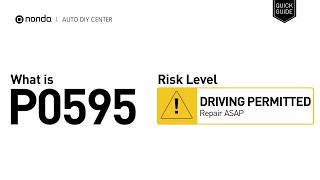
While this code isn’t as critical as some engine or brake issues, it’s not something you want to ignore. The cruise control system directly controls your throttle, and if it malfunctions, you could end up with unexpected speed changes or loss of control over your set speed. That’s a serious hazard, especially on the highway. Plus, leaving any active trouble code can mask new problems and lead to more expensive repairs down the line. In rare cases, a malfunctioning servo or wiring could even affect throttle response. Don’t put this off for later-things can go south quickly if overlooked. Parts at risk include the cruise control servo, throttle cable, wiring harness, and potentially the ECM.
Repair options for P0595 engine code
Here’s what I personally recommend, based on verified repair cases and OEM procedures:
- Replace any damaged or faulty cruise control servo units
- Repair or replace broken, stuck, or misadjusted servo cables
- Fix any wiring issues-repair frayed wires, clean corroded connectors, and secure loose pins
- Replace cracked or leaking vacuum lines if your system uses them
- Address any water intrusion in connectors or modules
- In rare cases, reprogram or replace the ECM if all other causes are ruled out
It’s always best to follow the step-by-step diagnostic process before replacing parts. Sometimes a simple cable adjustment or connector cleaning is all it takes.



Conclusion
To sum it up, P0595 means your cruise control system can’t properly control the throttle due to a low voltage issue in the servo circuit. It’s not the most dangerous code out there, but it’s definitely not one to ignore-especially since it can affect your speed control and mask other problems. Start with the basics: check the servo, cables, wiring, and connectors. Most of the time, the fix is straightforward if you follow a logical diagnostic path. Don’t delay-get it checked out and fixed so you can get back to smooth, worry-free driving.

 3856
 6 minutes of reading