
Causes and dtc P0596
From what I’ve seen in the shop, the most common reasons for a P0596 code are:
- A faulty or damaged cruise control servo (the part that actually moves the throttle when cruise is on).
- A broken, stuck, disconnected, or misadjusted cruise control servo cable.
- Wiring problems-like frayed wires, corrosion, or loose connections in the servo circuit.
- Water intrusion into connectors or the servo itself, which can cause electrical shorts or corrosion.
- Less commonly, a problem with the ECM (engine control module) itself.
Most often, it’s a physical issue with the servo or its wiring, but I always check the basics first before jumping to conclusions.
Symptoms and P0596
When this code is active, you’ll probably notice one or more of these issues:
- Cruise control won’t turn on or work at all.
- Cruise control might work, but it’s unstable-speed jumps around or won’t hold steady.
- Your vehicle might get stuck at a certain speed or have trouble accelerating when cruise is set.
- The set speed doesn’t match what you actually get-so you set it for 65, but the car goes faster or slower.
- Some cruise control features might be unreliable or not work at all.
If you’re seeing any of these, especially if cruise control is acting up, it’s time to look into it.

Diagnosis steps with obd code P0596
Let me walk you through how I tackle a P0596 code in the garage:
- First thing, I always check for technical service bulletins (TSBs) for your make and model. Manufacturers sometimes publish fixes for common quirks, and you don’t want to reinvent the wheel if there’s an easy answer.
- Next, I get under the hood and locate the cruise control servo. It’s usually hanging out near the throttle body. I look for anything out of place-frayed or snapped cables, vacuum lines that’ve seen better days, or any signs the servo’s taken a hit.
- With the engine off, I move the servo cable by hand. If it glides, great. If it’s tight, jammed, or feels crunchy, that’s a warning sign.
- Then, I inspect every vacuum line running to the servo. Old, cracked, or loose hoses are notorious for causing headaches here. If they look sketchy, swap them out-they're cheap insurance against future problems.
- On the electrical side, I always peek at the servo connector for corrosion, bent pins, or wires barely hanging on. I’ll also follow the wiring harness where I can-especially anywhere it might rub against hot parts or sharp edges-looking for insulation damage or breaks.
- If I’ve got a scan tool handy, I’ll keep an eye on the servo’s behavior while playing with the cruise controls. Sometimes you can spot right away if the servo’s not listening or if the ECM isn’t sending the right commands.
- If everything passes the eye test but the code’s still sticking around, I break out the multimeter and check for proper voltage and continuity, using wiring diagrams specific to your ride.
Here’s a pro-tip: Always start with the basics-look and feel first-before you start chasing electrical gremlins. And if poking around with a multimeter makes you nervous, it’s smart to let a seasoned tech handle that part.
Common mistakes with obd2 code P0596
Through the years, I’ve watched plenty of folks make the same missteps with this code:
- Jumping straight to swapping parts without checking the obvious. A loose connector or split vacuum hose can trigger this code just as easily as a dead servo.
- Ignoring the servo cable. If it’s misrouted, stuck, or binding, your cruise control’s never going to work right.
- Overlooking moisture in the connectors. Water sneaking in creates all sorts of weird electrical gremlins-always check for green crust or dampness.
- Blaming the ECM right off the bat. In reality, ECM failures are rare compared to physical damage or wiring faults. Rule out the basics before suspecting the module.
Slow down, work methodically, and you’ll save yourself a lot of frustration and wasted cash.

Seriousness of P0596 engine code
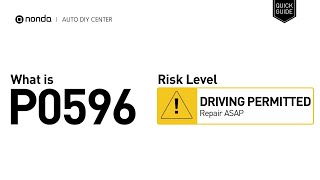
I’d call this a moderate problem. It might not leave you stranded on the side of the road, but you shouldn’t shrug it off. Here’s why: the cruise control servo is tied right into your throttle. If something goes seriously wrong-like an electrical short or a jammed cable-your throttle could get stuck or stop responding. That’s a genuine safety issue. Plus, letting this code linger could hide deeper problems, since your ECM might mask more critical trouble codes. If you ignore it, you risk damage to the servo, throttle components, and, if there’s a persistent electrical problem, even the ECM itself. Bottom line? Don’t gamble with unpredictable throttle behavior. Get it checked and fixed before you end up with a much bigger headache.
Repair steps for P0596 code
Here’s my usual playbook for getting rid of a P0596:
- Fix or replace any broken, corroded, or sketchy wiring or connectors in the cruise control servo circuit.
- If the vacuum lines are split or leaking, swap them out for new ones-you’ll thank yourself later.
- Check the servo cable. If it’s jammed, snapped, or just misadjusted, adjust or replace it as needed.
- If you diagnose a bad servo, don’t mess around-replace it with a quality OEM unit. Aftermarket can work, but OEM is less likely to give you trouble down the line.
- If you’ve ruled out everything else and the ECM checks out bad, replace or reprogram it-but that’s rare, and I’d double- and triple-check before heading down that road.
After each repair, clear the code and take the car for a spin to make sure the fix stuck and your cruise control’s humming along like it should.



Conclusion
So, here’s the gist: P0596 is your car’s way of telling you there’s high voltage in the cruise control servo circuit. Most times, it comes down to the servo, its wiring, or something simple like a cable or vacuum line. Don’t put this off-cruise control isn’t just about comfort, it’s tied to your throttle and safety. Start with a good look over everything, check the obvious stuff, and only dive into the electrical side if you have to. Nine times out of ten, fixing a cable, connector, or vacuum line gets you rolling again. Handle it sooner rather than later, and you’ll avoid bigger problems and keep your ride safe and predictable.

 4340
 7 minutes of reading