Whenever I see a P061A code come up, I know the car’s powertrain control module (that’s the PCM-the vehicle’s main computer) is waving a red flag. Basically, it’s telling you the engine’s cranking out more torque than it’s supposed to. Torque, for those new to the wrench game, is the muscle that spins your wheels and gets you moving. Your PCM keeps a close eye on things, always making sure the engine isn’t working harder than it was built to handle. If it senses the torque climbing past a safe threshold, it throws this code as a warning. The idea is to keep everything operating smoothly and to avoid wrecking your engine or driveline, especially if you’ve got heavy loads or aftermarket tweaks that push things too far. It’s a real safeguard for your car’s guts.
DTC P061A
 3377
3377 5 minutes of reading
Causes of P061A engine code
From my time in the bay, the main culprits behind a P061A code tend to be:
- Aftermarket performance parts-think tuner chips, custom tunes, or big turbo kits. All of these can make your engine pump out torque levels the PCM just isn’t expecting.
- A glitchy PCM-sometimes the computer itself starts to go haywire, reading signals wrong or throwing false alarms.
- Wiring headaches-frayed, shorted, or corroded wires between the PCM and engine sensors can send all sorts of bad info and confuse the system.
In my experience, it’s usually aftermarket mods or a wiring gremlin, but I’ve changed out my fair share of fried PCMs, too. Don’t jump to conclusions-make sure to check each of these before you start buying parts.
Symptoms and P061A code
If you’re dealing with this code, here’s what you’ll probably notice. First off, the check engine light is going to light up like a Christmas tree. The engine might start running rough, struggle to accelerate, or just feel like it’s lost its punch. On the bad days, it could stall out or flat out refuse to start. Take it from me-if you’re getting stalls or no-starts, you’re flirting with a bigger problem, so don’t let this one slide.

Diagnosis steps for dtc P061A
Here’s my go-to routine for tracking down a P061A:
- Pop the hood and look for any obvious aftermarket add-ons-performance chips, extra wiring, or anything that screams “not factory.” If you spot something, you’re already on the right track.
- Plug in your scanner and check for other codes. P061A likes to hang out with friends, and those extra codes can point you in the right direction.
- Give all the wiring and connectors going to the PCM and engine sensors a good look. I like to wiggle the harness while watching for any changes or hiccups-broken wires and loose plugs love to hide.
- Double-check your battery and charging system. Low voltage makes car computers do weird things-they’re picky about their power.
- If you’ve ruled out the easy stuff and you’ve got the right tools, you can dig into PCM testing. But honestly, most folks are better off letting a pro handle this part. Diagnosing a PCM isn’t a walk in the park without the proper gear.
Here’s a pro-tip: always start with the basics. It’s amazing how many big problems are caused by small, overlooked issues.
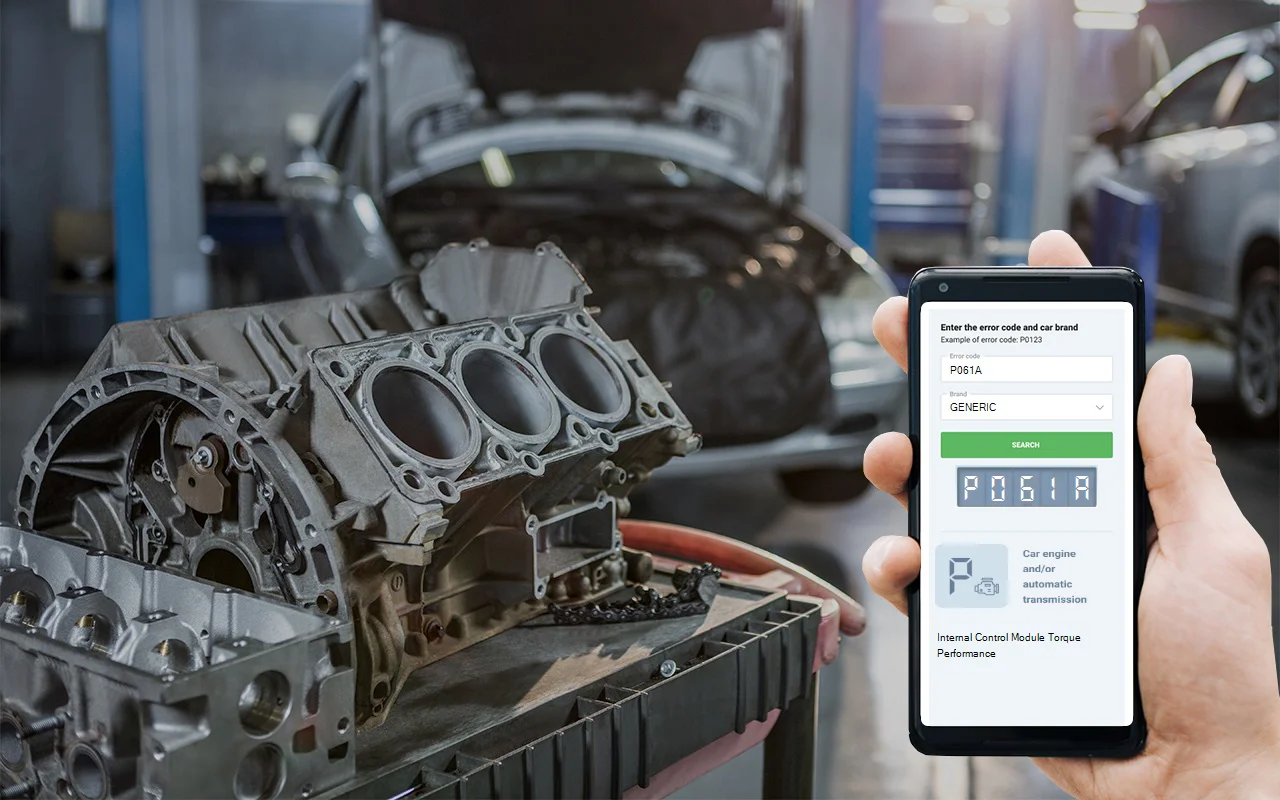
Common mistakes with obd code P061A
I can’t tell you how many times I’ve seen someone toss a brand new PCM into their car before checking for a wiring issue or some sneaky performance mod. That’s a quick way to burn through cash without fixing a thing. Another classic mistake? Ignoring other codes that show up. Those extra codes are there for a reason and skipping them can send you chasing your tail. Always go through the wiring and battery before you start swapping parts-don’t skip the simple stuff.

Seriousness of P061A
If you’re thinking about putting this repair off, let me stop you right there. When the PCM’s got the wrong torque info, or your engine really is making too much twist, you’re gambling with some expensive-and essential-parts. Keep ignoring it and you might end up stranded or staring down a repair bill that’ll ruin your weekend. We’re talking potential damage to the engine, transmission, and the PCM itself. Not worth the risk.
Repair solutions for obd2 code P061A
Here’s what usually gets the job done:
- Take off or reconfigure any aftermarket mods that have your engine working overtime.
- Fix or swap out any damaged wiring or connectors between the PCM and engine sensors.
- If the PCM is toast, replace it with a new, properly programmed unit.
Always start with the basics-wiring and mods-before you start replacing the big-ticket items. And don’t forget to use the correct repair manual for your make and model. Trust me, the small details matter.
Conclusion
Bottom line? When you see a P061A code, your car’s computer thinks the engine is making too much torque, which can spell big trouble if left unchecked. Nine times out of ten, it comes down to mods, wiring issues, or a faulty PCM. Don’t drag your feet-start with the easy checks, and if you get stuck, bring in someone with the right experience. Tackle it early and you’ll save yourself a world of hurt. Work through each step before blaming the PCM-that’s how you get your ride back in shape without wasting time or money.