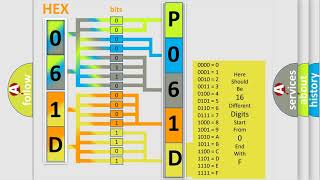
When I see a P061D code pop up on a scanner, I know the PCM-the car’s main computer-is basically throwing up its hands and saying it can’t trust the numbers it’s getting about air flow. In my time under the hood, this usually means the PCM’s having trouble making sense of the data coming from the Mass Air Flow (MAF) sensor, the Throttle Position Sensor (TPS), and sometimes a couple of other sensors. The PCM compares what it’s measuring to what it expects, and if there’s a big enough gap, that’s when you get P061D. Now, don’t make the rookie mistake of thinking it’s just the MAF sensor at fault; I’ve seen wiring, PCM glitches, or even communication breakdowns between modules like the transmission or traction control trigger this code. To put it bluntly, if you’re seeing P061D, your car’s computer is confused about air intake, and that spells trouble for fuel delivery and ignition timing.
DTC P061D
 6090
6090 7 minutes of reading
Causes and P061D code
From experience, I can tell you that this fault is usually triggered by one of a handful of issues. Most often the problem is with the MAF sensor itself - it could be faulty or just have a corroded connector. But I’ve also seen this code come up due to wiring problems, like broken or shorted wires between the MAF sensor and the PCM. Sometimes, the issue is deeper, like a bad ground for the PCM or even a problem inside the PCM itself, such as a programming error or internal failure. Here’s a quick rundown of the most common causes I see:
- Faulty Mass Air Flow (MAF) sensor
- Corroded or loose MAF sensor connector
- Open or shorted wiring between the MAF sensor and PCM
- Poor ground connection for the PCM
- Faulty or failing PCM (including programming errors)
- Problems in the CAN (Controller Area Network) wiring or connectors
It’s not unusual for this code to show up after water intrusion, rodent damage to wiring, or even after a battery replacement if something got bumped or left loose.
Symptoms related to P061D engine code
If you’re driving with a P061D active, odds are you’ll feel it. Most drivers tell me their car hesitates or stumbles when they hit the throttle, almost like it’s lagging behind their foot. Misfires, rough running, and a drop in fuel efficiency are all classic signs. Sometimes, you’ll see the check engine light immediately, but other times it might take a couple of drives before it shows up. If things really go sideways, you can get more codes popping up-especially those pesky misfire codes. In short, if your car feels jerky, sluggish, or starts guzzling gas, and you’ve got that warning light, P061D could be the one to blame.

Diagnosis steps for P061D
Here’s how I usually tackle this issue, step by step. First, I always start with the basics: I hook up a scan tool and pull all the codes, not just the main one. It’s important to check for any related codes, especially ones for the MAF sensor or throttle position sensor (TPS), because those need to be fixed first. Next, I clear the codes and take the car for a test drive to see if the issue comes back right away or if it’s intermittent. If it’s still there, I move on to a visual inspection - I check the MAF sensor and its connector for corrosion, loose pins, or damage. Don’t forget to look at the wiring harness for any signs of rubbing, cuts, or rodent damage. After that, I use a digital volt/ohm meter (DVOM) to check the power and ground at the MAF sensor and the PCM. It’s best to have someone help you here, especially if you need to wiggle the harness while checking for voltage drops. I also check all the fuses and relays related to the PCM, making sure they’re good under load. If everything looks good so far, I’ll check the CAN wiring and connectors for continuity and shorts. If all the wiring checks out and the sensors are working, then unfortunately, the problem might be inside the PCM itself, which sometimes requires reprogramming or replacement. In cases like this, it’s a good idea to check for any Technical Service Bulletins (TSBs) that might apply to your specific vehicle - sometimes there’s a known fix or updated software. And honestly, if you get to the point of suspecting the PCM, it’s best to have a dealership or qualified shop handle it, since special tools and programming are needed.

Common mistakes with obd2 code P061D diagnosis
One thing I see a lot is folks jumping straight to replacing the MAF sensor without checking the wiring or connectors first. That’s a surefire way to waste money if the real issue is a loose pin or broken wire. Another common mistake is ignoring related codes, especially for the TPS or power supply - those need to be fixed before you can trust any diagnosis on this issue. I’ve also seen people overlook the importance of checking grounds; a bad ground can cause all sorts of weird electrical issues. And finally, skipping the step of checking for TSBs can mean missing out on an easy fix or updated PCM software. Don’t rush through the basics - it’s better to be thorough than to chase your tail with expensive parts swaps.

Seriousness of a P061D trouble code
If you’re thinking about driving around with a P061D code, let me stop you right there. This isn’t one of those small-time errors you can brush off. It can cause your car to hesitate, stall, or lose power-sometimes all at once, and usually when you least expect it. That’s no joke if you’re in the middle of traffic or merging onto the highway. Beyond drivability, you’re risking your fuel efficiency, and if the engine starts running rich or misfiring, you could end up damaging your catalytic converter. From my years in the shop, I can tell you: let this go too long and you’ll have bigger headaches than just a warning light. The PCM, wiring, and sensors don’t take kindly to neglect.
Repair options for obd code P061D
Here’s what I’d do if you rolled into my garage with a P061D. First, I go after the basics: swap out a bad MAF sensor or clean up its connector. Next, I check and fix any damaged wiring between the MAF sensor and the PCM. Don’t forget about grounds-clean and tighten every ground connection for the PCM and any related modules. If you find a blown fuse or a weak relay, replace it. For CAN wiring glitches, I hunt down opens or shorts and repair as needed. If software’s the culprit, an update or reprogram for the PCM might solve it. On rare occasions, you’ll have to replace the PCM itself, but that’s a job for someone with the right tools for programming. My best advice? Start simple-check sensors and wiring first-before you shell out for big-ticket computer fixes.
Conclusion
So here’s the bottom line: P061D means your car’s computer can’t figure out how much air is getting into your engine, and that throws everything else out of whack. It’s not a code you want to ignore because it can snowball into major drivability and safety problems. The smartest move is to start with a careful check of the MAF sensor, connectors, and grounds, then dig deeper if the basics don’t solve it. Don’t put this off-every mile you drive with this issue is a gamble. Step-by-step troubleshooting is your best bet for getting your car back in shape, and trust me, starting with the basics will save you time and money.