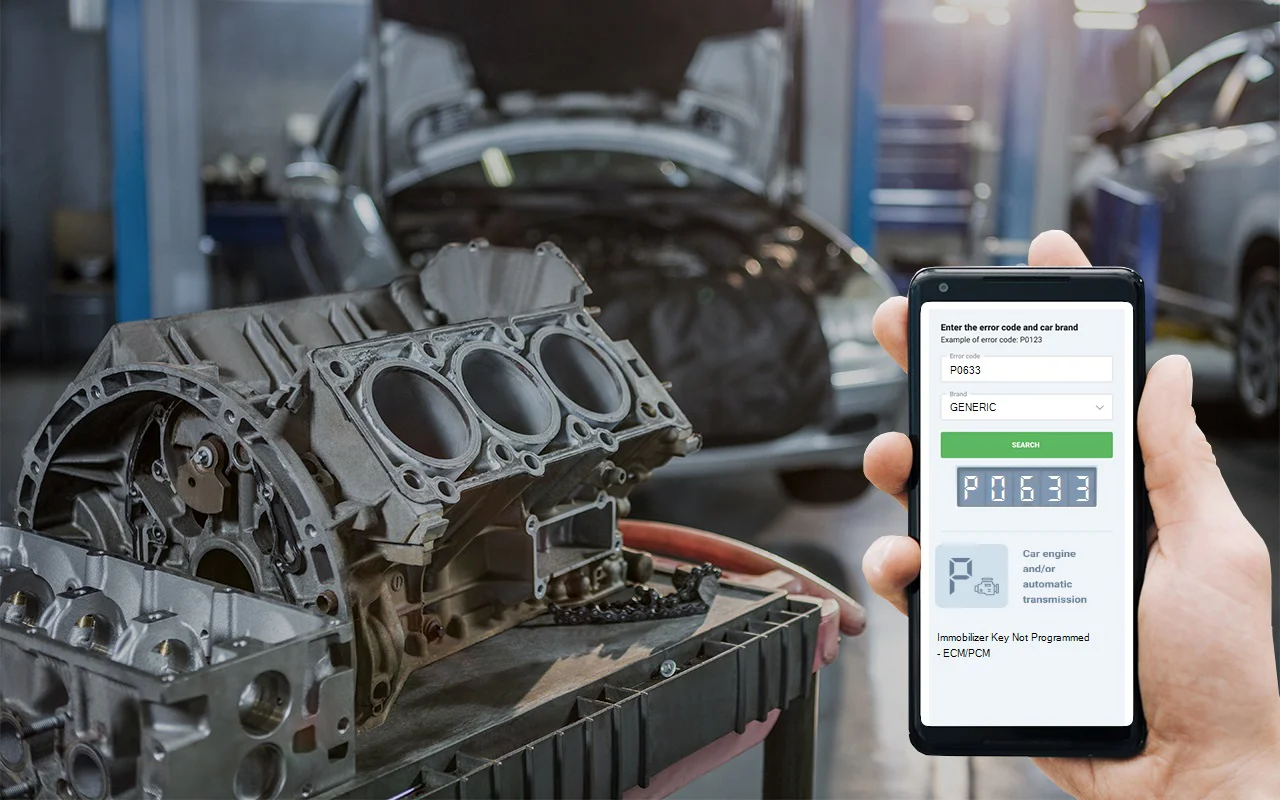
When you see a P0633 code pop up, it means your car’s computer-either the ECM (Engine Control Module) or PCM (Powertrain Control Module)-isn’t picking up the right signal from your immobilizer key. From years of turning wrenches, I can tell you this all ties back to your vehicle’s anti-theft system. There’s a tiny chip tucked inside your ignition key or fob, and every time you turn the key, your car checks if that chip’s code matches what’s stored in the computer’s memory. If the numbers don’t line up, your engine won’t fire, and that pesky security light will stay on. This whole operation relies on several components working in sync: the chip in your key, the anti-theft control module, your ECM or PCM, and sometimes the body control module (BCM). If even one part loses track of the programmed key, or if a new key or computer isn’t set up correctly, this code is what you’ll get.
DTC P0633
 3968
3968 6 minutes of reading
Causes Related to dtc P0633
From my time in the shop, here are the usual suspects behind a p0633 code:
- Using a new or replacement ignition key that hasn’t been programmed to your car yet. I see this all the time after someone loses their keys or picks up a spare.
- A bad anti-theft control module. These modules can go south or lose their memory, especially after battery problems or just old age.
- Wiring gremlins-like corroded connectors, cracked wires, or shorts-between the key reader, the anti-theft module, and the ECM/PCM. Nine times out of ten, moisture or time is to blame.
Every now and then, if you’ve had the ECM/PCM swapped out and the keys weren’t reprogrammed, that’ll trigger the code too. Here’s a tip: always start with the simple stuff before blaming the pricier parts.
Symptoms of P0633 Engine Code
If you’re dealing with this code, there are a couple of symptoms that’ll jump out right away:
- The anti-theft or security light on your dash won’t go out, or it might flash at you.
- The engine refuses to start-no matter how many times you try. You might get it to crank, but it’s not catching.
Honestly, it’s a real headache because you’re locked out of your own ride. I’ve seen cases where a loose wire lets the car start once or twice, but trust me, that’s a recipe for getting stranded later on.

Diagnosis Process for obd2 code P0633
When I’m chasing down a p0633 code, here’s my go-to routine:
- First thing-double-check that you’re using the right key. If you’ve recently had a new one cut or programmed, make sure it’s not just a blank. Try using your spare key too; sometimes only one got programmed.
- Watch the anti-theft light as you turn the key to ON. If it stays lit or starts blinking, that’s your clue the system isn’t happy with the key.
- Inspect your key or fob. If it’s a fob, check the battery. A dead fob battery can stop the transponder from sending a signal, and that’ll land you with this code.
- Take a good look at the wiring around the ignition switch and under the dash. Check for loose plugs, rust, or any wire damage. Here’s a pro-tip: have someone lightly wiggle the wires while you watch the anti-theft light for changes-it can reveal intermittent problems.
- If any electronics like the ECM/PCM or anti-theft module were recently replaced, make sure the keys were reprogrammed. People skip this step all the time, and it almost always comes back to bite them.
- For deeper troubleshooting, I grab a scan tool to look for related codes and to see if the ECM/PCM is talking to the anti-theft module. If there’s no communication, you’re likely chasing a wiring or module fault.
If you’re not comfortable with this stuff, it’s smart to let a pro handle the programming and more advanced checks. Some cars have special reset tricks in the owner’s manual too, so it doesn’t hurt to check there first.
Common Mistakes Regarding P0633 Code
I’ve watched plenty of folks fall into these traps with the p0633 code:
- Assuming the key is good just because it fits and turns. If it’s not programmed, your engine’s not going to run, period.
- Overlooking the battery in the key fob. A dying or dead battery inside that fob can cause more trouble than you’d think.
- Jumping straight to swapping out expensive modules without first checking wiring or trying a different key. That’s a fast way to burn cash for no reason.
- Forgetting to reprogram keys after replacing the ECM/PCM or anti-theft module. This step is essential but gets missed all the time.
Start with the easy stuff. It’ll save you time, money, and a whole lot of frustration.

Seriousness of P0633 Trouble Code
Let’s not sugarcoat it-this isn’t just a minor annoyance. Ignore it, and you’ll end up with a car that won’t start, which is the last thing you need if you’re in a rush or stuck somewhere sketchy. You don’t have to worry about the car dying while driving, but being stranded is a real risk. Keep trying to start it, and you’ll just drain the battery. If wiring issues are the root cause and you leave them unchecked, you could wind up frying the anti-theft module, ECM/PCM, or other electronics. Things can get expensive fast if you let this slide, so don’t wait around.
Repair Steps for P0633
Here’s how I typically get a p0633 code sorted:
- If the key isn’t programmed, take it to someone with the right scan tool and have it programmed to your specific vehicle-dealerships and some locksmiths can handle this.
- If the anti-theft control module is toast, replace it and then reprogram all your keys to sync with the new module.
- Trouble with wiring or connectors between the ignition, anti-theft module, and ECM/PCM? Patch up or swap out any damaged bits.
- If you’ve replaced the ECM/PCM, don’t forget-all immobilizer keys need to be reprogrammed to work with the new unit.
- Once repairs are done, clear the code and test the system by starting the car with every key you’ve got.
Stick to the exact programming steps in your service manual-every make and model has its own quirks, and missing a step can send you back to square one.
Conclusion
Bottom line: P0633 is your car’s way of telling you the computer isn’t recognizing the immobilizer key, so it’s locking you out to keep things secure. This is something you’ve got to fix right away, or your car’s not going anywhere. The best approach? Double-check your keys, inspect the wiring, and make sure everything is programmed just right. Don’t brush off this code-sort it out now, and you’ll save yourself from bigger headaches and possible damage to your car’s electronics down the road.