
Causes of obd code P0636
From experience, the most common reasons I see for a P0636 code are usually electrical or sensor-related. Here’s what tends to trigger it most often:
- A faulty power steering pressure sensor
- A bad power steering position switch
- Problems inside the power steering control module itself
- Loose, corroded, or broken ground straps or wiring
- Low power steering fluid or a leak in the system
- A blown fuse or fusible link (if your car uses one for the steering system)
- Corroded or damaged connectors
- PCM (engine computer) issues, though that’s less common
In cases like this, it’s usually something simple like a wiring issue or a sensor, but I’ve seen all of these pop up in the shop.
Symptoms of P0636 code
If your car has a P0636 code, you’ll probably notice one or more of these symptoms:
- The steering feels stiff, heavy, or just not right-especially when turning at low speeds
- The steering might feel unpredictable or even jerky
- You might hear odd noises when you turn the wheel, like whining or groaning
- The check engine light will be on, and sometimes you’ll see a power steering warning light too
Honestly, if the steering feels off, don’t ignore it. That’s a surefire way to end up in trouble, especially if things get worse while you’re driving.

Diagnosis process for dtc P0636
Let me walk you through how I usually track down a P0636 code. First up, I always check for any Technical Service Bulletins (TSBs) for your specific make and model-manufacturers sometimes know about these problems ahead of time, and it can save you a headache. Next, I pop the hood and take a look at the power steering fluid. Make sure it’s topped up and look for leaks. You’d be surprised how often low fluid is at the root of weird steering issues. After that, I go over the wiring and connectors with a fine-tooth comb, hunting for frayed wires, burnt spots, corrosion, or loose plugs. Bad grounds? They’re a classic troublemaker, so check those too. Then I check the fuses and any fusible links tied to the steering circuit. A single blown fuse can throw everything out of balance. Once those basics are out of the way, I’ll break out the multimeter and check for correct voltage and continuity in the system. That means testing sensors, switches, and the control module, making sure power’s getting where it should and all signals are clean. Here’s a pro-tip: always disconnect your battery before checking continuity-you don’t want to fry anything. If all that still doesn’t reveal the culprit, then it’s time to dig into the power steering control module, and as a last step, the PCM. Sometimes they need to be reprogrammed or swapped out, but don’t jump to that unless you’ve ruled out the easy stuff. Start simple-fluid, fuses, wiring-before diving into the electronics. And if you’re not comfortable with electrical work, don’t hesitate to get help.
Common mistakes with obd2 code P0636
A classic mistake I see in the shop? Folks go straight to replacing pricey parts like the PCM or the power steering module before they even check the basics. Another one is missing a blown fuse or overlooking a corroded connector-these little things can cause huge headaches and are easy to miss if you’re not thorough. Skipping the power steering fluid check or brushing off small leaks is just asking for trouble down the road. Not looking up TSBs? That’s leaving free information on the table. And here’s one that’ll bite you: testing circuits with the battery still hooked up. Always disconnect it before you mess with continuity, or you could end up with even bigger problems. My advice? Take your time and don’t skip steps. Nine times out of ten, it’s the simple stuff people overlook.

Seriousness of P0636 engine code
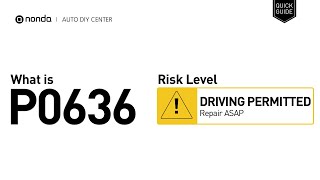
Let’s not sugarcoat it-this code isn’t something you can ignore. Steering is your main line of defense on the road, and when it gets stiff or acts up, it’s a real safety risk. I’ve seen drivers let this go too long and end up with damaged power steering pumps, racks, or even a cooked PCM. Problems can snowball in a hurry if you put this off, and risking your control over the vehicle just isn’t worth it. The moment you notice something’s off with how your steering feels, get it checked out-don’t wait for it to become a bigger, more expensive problem.
How to repair P0636
From what I’ve seen in the bay, here’s a rundown of what usually fixes a P0636 code, in line with what the factory recommends: Swap out the power steering pressure sensor if it’s acting up. If the position switch isn’t doing its job, replace it. Go after any damaged wiring or connectors-clean off any corrosion and repair breaks. Got leaks? Fix them, and make sure your fluid is topped off. Replace any blown fuses or fusible links. If the power steering control module is shot, you might need to reprogram or replace it. On rare occasions, the PCM itself could be the culprit and might need a reflash or replacement. Don’t forget-after any repair, clear the code and take your car out for a test drive to confirm everything’s back to normal.


Conclusion
So here’s the bottom line: a P0636 code means trouble in your power steering control circuit, and that can leave you with steering that’s a pain-or downright dangerous. Don’t put it off. Get on top of it by starting with the basics-fluid, fuses, wiring, and sensors-before you chase down the more complex electronics. Tackle it early, and you’ll keep your ride safe and steering like it should.
 4398
 6 minutes of reading