
Causes and obd2 code P063A
From experience, the most common reasons for a p063a code are pretty straightforward. Here’s what I usually find when I dig into these cases:
- A faulty alternator (it just isn’t putting out the right voltage)
- A bad voltage regulator (sometimes it’s built into the alternator)
- A loose or damaged serpentine belt
- A worn-out belt tensioner
- A blown fuse or fusible link (if your car uses one in the charging circuit)
- Corroded or damaged connectors-especially at the alternator, battery, or PCM
- Corroded or damaged battery cables
- Broken or shorted wiring in the charging system
- A failing PCM (rare, but it happens)
- A weak or dead battery
Most often the issue is with the alternator or the wiring, but I always check the simple stuff first before jumping to conclusions.
Symptoms and P063A
When this code is active, you’ll usually notice a few telltale signs. Here’s what drivers often report, and what I look for myself:
- The battery warning light comes on
- The engine might crank slowly, or not start at all
- The check engine light may also be on
- Sometimes, you’ll notice dimming headlights or electrical accessories acting up
If you’re seeing any of these, especially if your car is slow to start or the battery light is glowing, don’t ignore it-things can go south quickly if overlooked.

Diagnosis and P063A engine code
When I get a car in the bay with a P063A, I always take a methodical approach. Here’s how I recommend you tackle it, step by step:
- Right off the bat, check for Technical Service Bulletins (TSBs) that match your make and model. Sometimes the manufacturer’s already spotted a pattern and has an official fix-these can save you a ton of time.
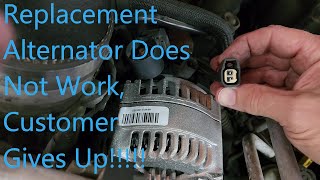
- Then, do a good old-fashioned visual inspection. I’ve found burnt, frayed, or chewed-up wires hiding in plain sight more times than I can count. Focus on the alternator, battery, and PCM. Pay extra attention to the connectors-look for corrosion, green gunk, or pins that just aren’t sitting right.
- Take a close look at the serpentine belt and tensioner. That belt should be snug, not slack, and shouldn’t have cracks or a shiny glazed surface. If the tensioner is sticky or can’t keep the belt tight, that’s a problem.
- Don’t skip the fuses or fusible links related to the charging system. I’ve chased my tail for hours before only to find a $2 fuse was the culprit.
- With the engine off, pull the battery cables and check for crusty corrosion or loose clamps. Clean them up and make sure they’re tight before moving on.
- If you’ve got a multimeter handy, check battery voltage. You’re aiming for around 12 volts with the engine off. Fire it up, and you should see 13.5-14.5 volts. If not, the alternator or regulator could be letting you down.
- If those numbers look good but the code won’t clear, it’s time to check continuity in the wiring between alternator, battery, and PCM. Any resistance or breaks? That’s your smoking gun.
- Every now and then, if you’ve ruled everything else out, the PCM itself could be faulty. It’s rare, but I’ve seen it.
Pro tip: Have someone help you check the belt and tensioner-makes the job safer and faster. And always disconnect the battery before poking around electrical connections. Safety first, always.
Common Mistakes and P063A trouble code
A classic mistake I see is folks jumping straight to swapping out the alternator, battery, or even the PCM before checking the basic stuff. I've watched people drop hundreds on parts when all they needed was a new belt or a quick fix on a connector. Another one? Overlooking a sloppy serpentine belt or skipping the fuse box. Don’t get tunnel vision-always start simple before you start throwing parts at the problem.

Seriousness of dtc P063A
Don’t kid yourself-this isn’t a code you can just ignore. If your charging system’s out of whack, you’re playing with fire. You might get stranded with a dead battery, or worse, your vehicle could lose power while you’re barreling down the road. That’s not just inconvenient-it’s downright dangerous, especially at night or in a storm. Plus, if you let this go, you risk frying your battery, alternator, and even some of the pricier electronics. My advice? Get this sorted out as soon as you can. Your car-and your wallet-will thank you.
Repair for P063A code
Here’s what usually gets the job done with a P063A, based on what I’ve fixed in the shop and what the factory recommends:
- Swap out the alternator if it’s not putting out the right voltage
- Replace any blown fuse or fusible link in the charging circuit
- Clean up or repair any corroded connectors and battery terminals
- Patch up or replace damaged wiring in the charging system
- Put in new battery cables if the old ones are shot
- Change out the serpentine belt or tensioner if they’re worn or loose
- Drop in a new battery if yours is weak or failing
- In the rarest cases, reprogram or replace the PCM
My rule of thumb: Start with the basics-wiring, connectors, and the belt-before you move on to the alternator or the computer. You’d be amazed how often it’s something simple.

Conclusion
So, here’s the takeaway: P063A means your ride’s computer is flagging something wrong with the alternator voltage sensing circuit-the very system that keeps your battery charged and your electronic gadgets happy. Ignore it, and you’re rolling the dice with a no-start or a roadside breakdown. The best fix is always a thorough check of the wiring, connectors, belt, and fuses, followed by a proper test of the alternator and battery. Catch it early, work through it step by step, and you’ll save yourself a mountain of trouble later on. Trust me-I’ve seen it happen more times than I can count.

 4164
 6 minutes of reading