
Causes and obd code P063C
From what I’ve seen in the shop, there are a few usual suspects when it comes to the p063c code. Most often the issue is:
- A bad alternator that’s just not putting out enough voltage
- A faulty voltage regulator (sometimes built into the alternator)
- A loose or damaged serpentine belt, or a worn-out belt tensioner
- Blown fuses or fusible links in the charging circuit
- Corroded or damaged connectors-especially at the alternator, battery, or PCM
- Corroded or damaged battery cables
- Broken or shorted wiring in the charging system
- In rare cases, a bad PCM (the car’s computer) or a failing battery itself
In cases like this, it’s usually something simple like a loose connection or a worn belt, but sometimes it can be a bit trickier.
Symptoms and dtc P063C
Here’s what you’ll probably notice if this code is active. The most obvious sign is the battery warning light coming on. Sometimes the check engine light will join in. You might also find that the engine cranks over slower than usual, or in some cases, it won’t start at all. If you’re driving, you could notice dimming headlights or electrical accessories acting up. If you ignore it, you could end up with a dead battery and a car that won’t go anywhere.

Diagnosis and P063C
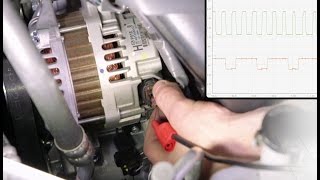
Here’s how I usually tackle this one, step by step. First, I always check for any technical service bulletins (TSBs) for your specific car-sometimes there’s a known issue that can save a lot of time. Next, I do a good visual inspection. I look closely at all the wiring and connectors in the charging system-especially at the alternator, battery, and PCM. I’m checking for things like frayed wires, corrosion, loose connections, or burnt spots. Don’t forget to check the serpentine belt and the belt tensioner; if the belt is loose or worn, the alternator can’t do its job. After that, I’ll check the fuses and fusible links related to the charging circuit. If everything looks good so far, I’ll use a multimeter to check battery voltage (should be around 12 volts with the engine off) and alternator output (should be higher, usually 13.5-14.5 volts with the engine running). If the alternator isn’t putting out enough, it could be bad or the voltage regulator might be failing. If the alternator checks out, I’ll move on to testing the wiring for continuity-making sure there’s no break or short. Sometimes, if all else fails, I’ll check the PCM, but that’s pretty rare. It’s better to have someone assist you when checking voltages, just for safety and accuracy.
Common Mistakes and P063C code
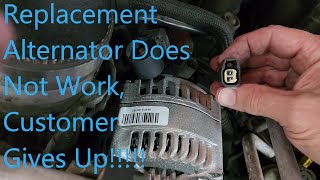
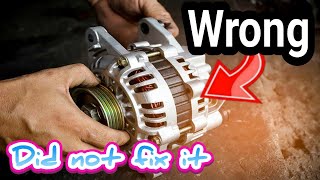
One thing I see a lot is folks replacing the alternator, battery, or even the PCM right away without checking the wiring and connectors first. That’s a surefire way to waste money and not fix the real problem. Another common slip-up is forgetting to inspect the serpentine belt and tensioner-if the belt isn’t tight, the alternator can’t charge properly. Also, skipping the fuse check can lead to a lot of head-scratching later. Always start with the basics before moving on to the expensive parts.

Seriousness and P063C trouble code
Honestly, this isn’t something you want to ignore. If you let it go, you could end up stranded with a dead battery, and that’s never fun-especially if it happens at night or far from home. On top of that, running your car with low voltage can damage sensitive electronics, the PCM, and even the alternator itself. Things can go south quickly if overlooked, so don’t put this off for later. It’s a serious hazard if your car suddenly won’t start or loses power while driving.
Repair and P063C engine code
Here’s what usually fixes this code, based on what I’ve seen and what the OEM procedures recommend:
- Replace the alternator if it’s not putting out enough voltage or the voltage regulator is faulty
- Replace any blown fuses or fusible links in the charging circuit
- Clean any corroded connectors and repair or replace damaged wiring
- Repair or replace battery cables or terminals if they’re corroded or loose
- Replace the serpentine belt or belt tensioner if they’re worn or not holding tension
- Replace the battery if it’s weak or failing
- In rare cases, reflash or replace the PCM if it’s determined to be faulty
It’s best to start with the simple stuff-wiring, connectors, belts-before jumping to the more expensive parts.

Conclusion
To sum it up, the P063C code means your car’s computer is seeing a problem with the alternator voltage sense circuit-usually low voltage. It’s important to get on top of this quickly because it can leave you stranded or cause bigger electrical problems. Start with the basics: check wiring, connectors, fuses, and the belt. Most of the time, the fix is something simple, but don’t rule out the alternator or battery if the basics check out. The safest and most reliable way to resolve this is to follow a step-by-step diagnostic process and not skip any checks. Don’t wait-this is one of those issues that can go from annoying to serious in a hurry.

 4869
4869 6 minutes of reading