
Causes and P0642 engine code
From my time under the hood, I can tell you p0642 usually comes down to a handful of usual suspects. Here's where I always start:
- A sensor that's gone rogue-think throttle position or MAP sensor-with an internal short that's dragging the reference voltage down for everyone else.
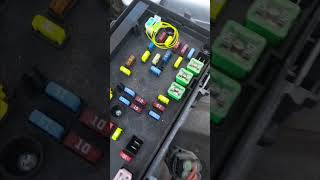
- A blown fuse or a toasted fusible link somewhere in the reference voltage line. You'd be amazed how often a simple fuse is the root of all evil.
- Mangled wiring or a flaky connection. I always look for places where the harness gets pinched, rubbed raw, or corroded, especially near sharp bends or tight engine bays.
- On rare occasions, you might be staring at a PCM that's on its last legs, but I don't jump to that conclusion until every other base is covered.
What I've found, more times than I can count, is that wiring gremlins and bad sensors are the main troublemakers. But don't be fooled-a sneaky blown fuse can have you chasing your tail, so check them first. I’ve seen this crop up on Fords, Renaults, and plenty of other makes, so don’t assume it’s a one-brand problem.
Symptoms and obd2 code P0642
If you're dealing with obd p0642, your dashboard's going to let you know-the check engine light is your first clue. But that's just scratching the surface. Depending on which sensor takes the hit, you could be looking at a rough idle, sluggish acceleration, weird hesitation, or in some cases, the engine cranking endlessly but refusing to actually start. I've seen cars where the transmission gets confused, starts shifting funny, or drops into limp mode, all because the reference voltage is MIA. Each case is a little different, but if p0642 is hanging around, your car won't be running right, and you could easily get stranded if you let it slide. Sometimes, the drivability issues are unpredictable-you never know if it’ll be a mild stumble or a total no-start.

Diagnosis and dtc P0642
When I'm chasing down a dtc p0642, I stick to a tried-and-true routine, and you can tackle most of it yourself if you’re handy. Step one: crack open the fuse box and eyeball every fuse that's tied to the engine control system. It’s shocking how often a cheap fuse is the culprit. Next, I run my hands and eyes over the wiring harnesses feeding the sensors that run off the 5-volt reference-throttle, MAP, cam sensors, you name it. Look for anything out of place: frayed wires, loose plugs, or signs of corrosion. If everything checks out visually, I grab my multimeter and test for a solid 5 volts at each sensor connector, ignition on. Not seeing 5 volts? Unplug each sensor, one by one, and watch to see if the voltage springs back-sometimes a single sensor is hogging the whole circuit. If you're still stuck, start testing continuity and resistance between the PCM and each sensor. Only after everything else is ruled out do I suspect the PCM itself. And here’s a tip: having a buddy wiggle the harness while you watch the meter is a pro move-sometimes the fault only shows up when things are moving.
Common Mistakes and obd code P0642
A classic mistake I see is folks throwing parts at the problem-new sensors, even a PCM-before they've checked the basics. Overlooking a blown fuse or a crusty connector is a rookie error, but it happens all the time. Another thing people miss? Not realizing that several sensors can share the same reference voltage, so if you only check one, you might miss the real troublemaker. Skipping a thorough inspection of the wiring-especially in places where it bends or rubs-can cost you hours and dollars. My advice: slow down, start simple, and don’t make assumptions. Double-check every easy fix before you reach for expensive replacements.

Seriousness and P0642 code
Let me be straight with you-this is one code you don't want to ignore. When the PCM can't trust its sensors, it can't control fuel, spark, or shifting like it should. That means you could be burning too much gas, dealing with a rough-running engine, or worst-case, stuck with a car that won't start. I've seen bad reference voltage codes lead to fried catalytic converters and transmissions that misbehave. If you keep driving with p0642 active, you’re rolling the dice. It's just not worth the risk of getting stranded or facing a much bigger repair bill later.
Repair and P0642 trouble code
Over the years, the fixes that actually solve P0642 look like this:
- Swap out any sensor that's shorted and pulling the reference voltage down-I've seen more than a few throttle position sensors do this.
- Patch up or replace any suspect wiring or connectors in the affected circuit. Don't just tape it up; fix it right.
- Replace blown fuses or fix dodgy fusible links supplying that reference voltage. Sometimes, that's all it takes.
- If you’re unlucky and the PCM itself is cooked (rare, but it happens), follow OEM steps to replace or reprogram it.
Always work from your car's wiring diagram and repair manual-the layout can vary a lot by make and model. If you're working on dtc p0642 ford, make sure you follow Ford's specific diagnostic flow. Don't guess-get the right info and check everything methodically.



Conclusion
Bottom line? P0642 tells you your PCM isn't seeing the voltage it needs from a key sensor line, and that's a recipe for trouble. If you jump on it early, you can dodge bigger headaches and costly repairs. Always start with the basics-fuses, wiring, connectors-before hunting down sensors or blaming the PCM. In all my years, the best results come from checking every step, not skipping corners. Do it right, and you'll have your ride running smooth again, ready for whatever the road throws at you.

 5371
5371 6 minutes of reading