Let me break down what P0643 actually means for your vehicle. This code pops up when the car’s main computer (the PCM) detects that the reference voltage for a certain sensor-usually labeled as "Sensor A"-is running way too high. In most vehicles, this sensor is tied to the automatic transmission, transfer case, or sometimes the front differential. The reference voltage is basically a steady 5-volt signal that the computer sends out to help these sensors do their job, whether that’s measuring pressure, temperature, or speed. If the PCM sees that this voltage is above the normal range, it sets the P0643 code. Sometimes, this code shows up alongside others that point to a more specific sensor issue. In those cases, P0643 is more of a supporting clue. The main thing to remember is that this code is telling us there’s an electrical problem-usually in the wiring, sensor, or even the computer itself-affecting how your transmission or related systems communicate with the PCM.
DTC P0643
 4956
4956 6 minutes of reading
Causes and dtc P0643
From what I’ve seen in the shop and what the official repair info says, the most common causes for a high reference voltage code are:
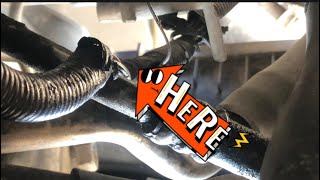
- Wiring or connectors that are shorted to voltage-this is often due to damaged insulation or a pinched harness.
- A faulty sensor itself (the one getting the 5-volt reference signal).
- Problems with the PCM, like a programming error or, in rare cases, a failed PCM.
Most often the issue is with the wiring or the sensor, but I always keep the PCM in mind if the basics check out.
Symptoms associated with the P0643 trouble code
If your car has a high reference voltage trouble code active, here’s what you might notice while driving:
- Delayed or no gear engagement when shifting.
- The transmission might refuse to switch between sport and economy modes.
- Rough or failed gear changes.
- Inability to switch between two-wheel and four-wheel drive, or from low to high range in the transfer case.
- The front differential or front hubs might not engage properly.
- Your speedometer or odometer could act up or stop working altogether.
Sometimes, you might not notice anything right away, but these issues can show up suddenly and leave you stranded or with a transmission stuck in the wrong gear.

Diagnosis process for a P0643 engine code
Here’s how I usually go about diagnosing a high reference voltage engine code, step by step:
- First, I grab a scan tool and pull all the stored codes and freeze frame data. It’s important to note the order and details, especially if there are other codes present.
- Next, I always check for and fix any other sensor codes first, because the high reference voltage code often disappears once those are handled.
- Then, I do a careful visual inspection of the wiring harnesses and connectors related to the affected sensor and the transmission. I’m looking for any signs of damage, corrosion, or wires that might be rubbing or pinched.
- If everything looks good, I use a digital volt/ohm meter (DVOM) to check for the correct 5-volt reference and a solid ground at the sensor’s connector. If the voltage is too high, I trace the wiring back to the PCM, checking for shorts to power or other issues.
- If the wiring checks out, I test the sensor itself for proper resistance and operation, comparing my readings to the specs from the service manual.
- For sensors with more complex signals, I’ll use an oscilloscope to watch for glitches or spikes in the signal.
- If all else fails, and everything else is in spec, I consider the possibility of a PCM issue, but that’s pretty rare in my experience.
It’s best to have someone assist you when checking wiring continuity, and always disconnect the PCM before testing resistance to avoid damaging it.

Common Mistakes when addressing P0643
I’ve seen a few common mistakes when folks try to tackle this code:
- Jumping straight to replacing the sensor or PCM without checking the wiring first. Damaged wires are a frequent culprit.
- Ignoring other related codes-a high reference voltage code is often a side effect, not the main problem.
- Testing resistance with the PCM still connected, which can fry the computer. Always disconnect the PCM before using an ohmmeter on these circuits.
- Overlooking intermittent wiring faults-sometimes a wire only shorts when the vehicle is moving or the harness is flexed.
Don’t skip the basics, and always double-check your work before moving on to expensive parts.

Seriousness of obd2 code P0643
This isn’t something to ignore. Depending on which sensor circuit is affected, you could lose critical functions like shifting, four-wheel drive, or even your speedometer. That’s a serious hazard-losing gear engagement or speed feedback can put you and others at risk, especially at highway speeds. If left unchecked, this kind of electrical fault can also damage the PCM or other expensive components. Things can go south quickly if overlooked, so don’t put this off for later.
Repair solutions for obd code P0643
Here’s what usually fixes a high reference voltage trouble code, based on verified repair cases and factory procedures:
- Repairing or replacing damaged wiring or connectors in the affected sensor circuit.
- Replacing the faulty sensor if it’s out of spec or not responding correctly.
- In rare cases, reprogramming or replacing the PCM if it’s determined to be the source of the problem.
- Clearing the code and performing a drive cycle to confirm the repair was successful.
It’s important to clear all codes and make sure the PCM enters readiness mode before considering the job done.
Conclusion
To sum it up, P0643 means the computer is seeing too much voltage on a sensor circuit-usually tied to your transmission or drivetrain. It’s a high-priority code because it can affect how your vehicle shifts, drives, and even displays your speed. The most reliable way to fix it is to start with a thorough check of the wiring and sensor, only moving on to the PCM if everything else checks out. Don’t delay-this is the kind of issue that can leave you stranded or cause bigger (and more expensive) problems down the road. Address it promptly, and you’ll avoid a lot of unnecessary headaches.