
Causes of dtc P0656
From what I’ve seen in the shop and what the official manuals say, the most common reasons for a P0656 code are:
- A break or short in the wiring between the PCM and the dashboard or other controllers. This is the one I run into most often-wires get pinched, corroded, or just wear out over time.
- A problem with the PCM itself, like a programming error or internal failure. It’s not as common, but it does happen, especially if there’s been water damage or electrical issues.
- A faulty controller somewhere in the system. Sometimes it’s not the PCM, but another module that’s lost communication or isn’t sending the right signal.
In my experience, wiring issues are the usual culprit, but it’s important to check everything step by step.
Symptoms of obd code P0656
If you’ve got a P0656 code, here’s what you might notice while driving:
- The fuel gauge might stop working or give you readings that don’t make sense-like always showing empty or full.
- The low fuel warning light might not come on when it should, or it could stay on all the time, even if you’ve just filled up.
- Sometimes, you’ll get other warning lights or messages related to the fuel system, like fuel temperature or emissions codes.
- In rare cases, you might notice the engine running rough or having trouble starting, especially if the PCM is using bad fuel data.
Most folks notice the fuel gauge acting up first, but don’t ignore any of these signs-they can lead to bigger problems.

Diagnosis and P0656
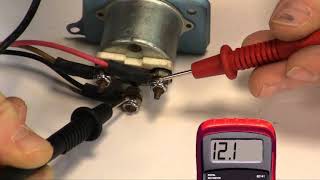
Let me walk you through how I’d chase down this code in my own bay. First thing I do? Grab the scan tool and pull up all the codes, along with freeze frame data. That info helps me nail down when and how the glitch happened. I’ll clear the codes, then take the car for a spin-if P0656 pops right back up, the issue’s still alive and kicking. Next stop: a close look at the wiring and connectors between the PCM and the dash. You’d be surprised how often I find a spot of corrosion, a loose plug, or a wire that’s seen better days. Once everything looks solid, I’ll break out the digital voltmeter and check for voltage and continuity through the fuel level output circuit-always following the wiring diagrams built for your specific ride. No signal coming from the PCM? You might be staring down a faulty PCM or a programming hiccup. But if the signal’s leaving the PCM yet never making it to your dashboard, odds are there’s a break or short in that harness. Here’s a pro-tip: have a buddy help when you’re hunting for signal at the dash-it can make life a heck of a lot easier. And don’t overlook Technical Service Bulletins (TSBs) for your make and model; sometimes the answer’s already out there, straight from the manufacturer.
Common Mistakes with obd2 code P0656
After years in the field, a few missteps with this code keep cropping up. A classic mistake I see is swapping out the PCM right away, before even glancing at the wiring. That’s a quick way to burn cash for nothing. Folks also tend to only check one end of the circuit-don’t forget, trouble can lurk at the dash just as easily as at the PCM. Skipping over TSBs is another big one; those bulletins can point you straight to the fix. And finally, just clearing the code and hoping for the best? That never ends well. If you don’t get to the root of the problem, it’ll keep coming back to haunt you.

Seriousness of P0656 engine code
Take it from me-this isn’t a code you want to leave hanging. When your fuel gauge is out of commission, you’re flying blind and could end up stranded on the side of the road. That’s a real safety risk, especially if you’re far from a gas station or caught in nasty weather. On top of that, if the PCM isn’t seeing the right fuel data, it can throw your engine’s operation and emissions way out of whack. Ignore it long enough, and you could be looking at real damage to your fuel system, computer, or instrument cluster. Problems like these have a way of snowballing fast if they’re left unchecked.
Repair solutions for P0656 trouble code
When I’m fixing this code, here’s what usually gets the job done:
- Patch up or swap out any damaged wiring or connectors running between the PCM and your dashboard or fuel gauge. Even a tiny nick in a wire can throw everything off.
- If there’s a known software bug, reflash or update the PCM following the manufacturer’s procedures. Don’t skip this if there’s a TSB about it!
- If you’ve confirmed the PCM or another module is toast-after ruling out wiring and software-then it’s time for a replacement.
- Check out the instrument cluster and fuel gauge too; if they’re not picking up the PCM’s signal, they might be to blame.
Whatever you do, always retest after each fix. If that code doesn’t come back, you know you’ve hit the mark.


Conclusion
Here’s the bottom line: P0656 means your car’s computer isn’t happy with the fuel level circuit, and it’s not something to shrug off. Ignore it, and you’re risking running out of gas or triggering more serious problems down the line. My advice? Start with the wiring and connectors, then move on to checking the PCM and dashboard if you need to. Don’t wait-these issues rarely fix themselves. Follow the steps, track down the real culprit, and you’ll keep your car running strong and safe. That’s how I’d handle it if it rolled into my shop.
 4594
4594 6 minutes of reading