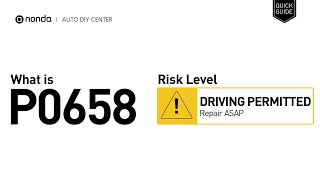
P0658 is one of those diagnostic trouble codes that I’ve seen trip up even experienced techs. When your car’s computer-either the ECM or TCM-flags this code, it’s picking up on a low voltage issue in what’s called the “Drive Circuit A.” In real-world terms, this means the power feeding certain components, usually solenoids or actuators responsible for things like gear shifts, isn’t making the grade. I’ve seen this code show up across a wide range of makes and models, so it’s not picky about brand. Now and then, it’ll even point to something in the EVAP system, but nine times out of ten, we’re talking about a problem with your transmission or engine controls. These systems are always monitoring voltage-if it dips too low, up pops P0658. Here’s a tip from my years in the shop: “Drive Circuit A” doesn’t mean the same thing in every car. You’ll want to crack open the service manual for your exact model to know what you’re dealing with.
DTC P0658
 5438
5438 6 minutes of reading
Causes of P0658 code
From my time under the hood, electrical gremlins are usually the root cause behind this code. Here’s what crops up most often in the bay:
- Corrosion in the wiring that jacks up resistance
- Water sneaking into connectors or wire harnesses
- Connectors that are melted, cracked, or just plain busted
- Wiring that’s shorted to power or ground-sometimes after a DIY job gone wrong
- General electrical headaches like a weak battery or flaky charging system
Don’t be surprised if this starts after a rough winter or a muddy off-road trip. Physical damage and moisture are classic culprits that many folks overlook at first glance.
Symptoms of obd code P0658
When this code’s active, here’s what you’re likely to feel the next time you hit the road:
- Shifts that are rough, delayed, or sometimes the transmission just refuses to budge out of one gear
- Noticable drop in power or torque, especially when you put your foot down
- Check engine light (CEL) glaring at you from the dash
- Overall, the car just feels “off”-like it’s lost its edge
- Mileage taking a hit-fuel economy drops
- Weird engine RPMs that don’t match your speed
I’ve even seen cars go into ‘limp’ mode to prevent further damage. If you spot any of these, don’t shrug it off. It’s your car’s way of waving a big red flag.

Diagnosis steps for P0658 engine code
Here’s my tried-and-true process for tracking down this code:
- Start by checking for technical service bulletins (TSBs) that might target this exact issue. Sometimes the manufacturer’s already done the legwork.
- Clear the code using a scan tool, then take the car out for a test drive. If P0658 pops up again, you know it’s not a one-off glitch.
- Inspect the wiring harness and connectors-look for chafed insulation, greenish corrosion, or any plugs that don’t fit snugly. Pay extra attention to spots under the car or around the firewall where water or debris loves to hide.
- If you spot any sketchy wires or connectors, repair or replace them. I always use solder and heat-shrink tubing for anything exposed to the weather. Tape alone won’t cut it.
- Track down the actuator or solenoid tied to the circuit. With your multimeter and the service manual in hand, check for proper resistance and continuity. Out-of-spec readings usually mean it’s time for a new part.
- Don’t skip a close look at the ECM and TCM for water damage or corrosion. If you find any crusty green stuff or obvious signs of trouble, you may be in for a bigger repair.
Here’s a pro-tip: have someone keep an eye on the check engine light while you gently move wires and connectors. Intermittent faults love to hide until you jiggle things just right.

Common Mistakes when fixing P0658
A classic mistake I see is folks rushing to swap out pricey parts like solenoids or control modules before even glancing at the wiring. Another misstep is skipping the service manual-what “Drive Circuit A” means can change from one car to another. If you don’t check for corroded pins or loose plugs first, you’re setting yourself up for frustration and wasted cash. Always start with the simple stuff; the complicated fixes can wait if a basic repair does the trick.

How serious is obd2 code P0658
Take it from me, this isn’t a code to ignore. Sure, your car might keep rolling for a while, but you’re risking jerky shifting, power loss, and even long-term damage to pricey components like the transmission or engine control modules. If the electrical problem gets worse, you could end up with fried circuits or burnt wires. Bottom line: it’s a moderate to serious issue. If your car starts acting up on the road, things can go south in a hurry. Best to get it checked out without delay.
Repair steps for dtc P0658
In my experience, these are the fixes that actually get rid of P0658 and keep it from coming back:
- Repair or swap out any damaged or corroded wires and connectors in the problem circuit
- Clean every electrical contact and make sure connections are tight-especially if you spot water anywhere
- Replace any actuator or solenoid that fails resistance tests or looks suspect
- Sort out any charging system issues-sometimes a tired battery or alternator is the real culprit
- If you find the ECM or TCM showing signs of water damage or internal failure, you may need to repair or replace the module. Thankfully, that’s rare.
Stick with OEM parts for connectors and always follow the step-by-step procedures in your service manual. That’s how you make repairs that actually last.
Conclusion
When it comes right down to it, P0658 means your car’s brain is spotting low voltage where it matters most-usually in the circuits controlling shifting or engine functions. Ignore it, and you’re asking for more headaches down the line. The smartest move is to begin with the basics: check your wiring, connectors, and the components themselves before diving into deeper diagnostics. Don’t gamble with your car’s health-fix this one promptly. With a methodical approach and quality repairs, you’ll be back on the road with confidence before you know it.