
Causes of P065A code
From what I see most often in the shop, there are a handful of usual suspects behind a p065a. Here’s what tends to cause it:
- A faulty generator (or alternator) that just isn’t making enough power
- Blown fuses, bad relays, or melted fusible links in the generator’s power circuit
- Broken or shorted wiring between the generator and the PCM
- Problems with the PCM itself, like a software glitch or internal failure
- Loose or corroded connectors at the generator or PCM
In my experience, it’s usually a bad generator or a wiring issue, but I’ve seen all of these pop up at one time or another.
Symptoms of P065A engine code
If your car’s got a p065a code, you’ll probably notice a few things aren’t right. Here’s what drivers usually report:
- Trouble starting the car, or it won’t start at all
- Electrical accessories-like the radio, power windows, or lights-not working properly
- The engine might run rough or even stall in some cases
- The battery warning light or check engine light comes on
Sometimes, it’s just the warning lights at first, but if you ignore it, things can go south quickly.

How to diagnose P065A
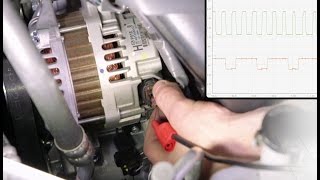
Here’s how I tackle a p065a, step by step. First, I always make sure the battery is fully charged and in good shape-no point chasing my tail if the battery itself is bad. Next, I hook up a scan tool to pull all the stored codes and freeze frame data, just to get the full picture. I jot down anything I find, especially if the problem comes and goes. After clearing the codes, I’ll test drive the car to see if the code comes back. If it does, I move on to a careful visual inspection: I check all the wiring and connectors between the generator and the PCM for signs of damage, corrosion, or anything loose. Don’t forget to look at the fuses and relays in the charging circuit-sometimes it’s as simple as a blown fuse. If everything looks good, I’ll use a digital voltmeter to check for proper voltage at the generator and at the PCM. If the generator isn’t putting out what it should, it’s probably the culprit. If the voltage at the PCM doesn’t match what’s coming out of the generator, there’s likely a wiring issue in between. And if everything checks out but the code won’t clear, then I start to suspect the PCM itself.
Common mistakes with obd2 code P065A
I’ve seen a lot of folks jump straight to replacing the generator without checking the basics first. That’s a surefire way to waste money. Another common mistake is overlooking a simple blown fuse or a corroded connector-those little things can cause big headaches. It’s also easy to miss a wiring problem if you don’t do a thorough visual and voltage check. And don’t forget to test fuses under load, not just with the key off. Skipping these steps can lead you down the wrong path and make the fix a lot more expensive than it needs to be.

Seriousness of obd code P065A
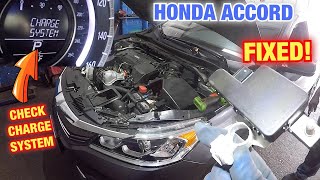
This isn’t something you want to put off. A p065a code is a serious warning that your car’s charging system isn’t working right. If you ignore it, you could end up stranded with a dead battery, or worse, cause damage to sensitive electronics or even the PCM itself. Electrical issues can snowball fast, and you don’t want to be stuck on the side of the road or risk losing power while driving. Honestly, it’s dangerous to ignore this kind of problem, and the risks just aren’t worth it.
Repair solutions for dtc P065A
When it comes to fixing a p065a code, here’s what usually gets the job done:
- Replace the generator or alternator if it’s not putting out the right voltage
- Repair or replace any damaged wiring or connectors between the generator and PCM
- Swap out blown fuses, bad relays, or melted fusible links in the charging circuit
- Update or reprogram the PCM if there’s a software issue, or replace it if it’s faulty
- Clean and tighten all electrical connections in the charging system
I always recommend starting with the simple stuff-fuses, connectors, and wiring-before moving on to the more expensive parts.

Conclusion
To sum it up, the P065A code means your car’s generator system isn’t delivering the power your vehicle needs, and the computer’s not happy about it. This is a high-priority issue that can leave you stranded or cause bigger problems if ignored. The best approach is to start with the basics: check the battery, fuses, wiring, and connectors, then move on to testing the generator and PCM if needed. Acting quickly and methodically is the most reliable way to get your car back to normal and avoid any nasty surprises down the road.
 4683
4683 5 minutes of reading