
Causes of P0662 trouble code
From what I see most often in the shop, the main reasons for a P0662 code are:
- A faulty intake manifold tuning valve (sometimes called a runner control valve)
- Broken or stuck valve components-plastic parts can crack or jam, especially with age or heat
- Electrical problems like cracked, frayed, or corroded wiring going to the valve
- A damaged or loose electrical connector
- Extreme cold weather causing the valve to stick or not move properly
- Contamination or buildup inside the valve, making it hard for it to move
- In rare cases, a problem with the ECM itself
In my experience, most of the time it’s either a stuck or broken valve, or an issue with the wiring harness. Cold weather can make things worse, especially if the valve is already a bit sticky.
Symptoms of P0662 engine code
If your car has a P0662 code, here’s what you might notice as a driver:
- The engine might run rough, especially at certain RPMs
- You could hear a loud clicking or ticking noise from under the hood
- Fuel economy might drop-meaning you’re filling up more often
- The engine could hesitate or misfire when you start it, especially when it’s cold
- You might feel a loss of power or sluggish acceleration
- The power band could feel strange, like the engine isn’t as responsive as usual
- In some cases, you’ll have trouble starting the car in cold weather
From what I’ve seen, the clicking noise and rough running are the most common complaints.

Diagnosis steps for dtc P0662
Here’s how I usually go about diagnosing a P0662 code, step by step:
- First, I always check for any technical service bulletins (TSBs) for your specific car-sometimes the manufacturer already knows about common issues and has a fix.
- Next, I clear the code and take the car for a good test drive. If the code comes back, it’s definitely an active problem.
- Then, I locate the intake manifold tuning valve. Sometimes it’s tucked inside the manifold, but the electrical connector is usually reachable. I inspect the connector for any broken tabs, melted plastic, or obvious damage.
- I check the wiring harness for cracks, rubbing, or corrosion-especially near hot engine parts or where the wires bend. Don’t forget to look for pinched or frayed wires.
- If I have a scan tool that can activate the valve, I’ll use it to cycle the valve and listen for any odd noises. If you hear a weird clicking or the valve doesn’t move smoothly, it could be stuck or broken.
- If the valve seems suspect, I’ll remove it for a closer look. Sometimes you’ll find pieces broken off or gunk built up inside. It’s best to have someone help if you’re not comfortable with this step.
- If everything checks out but the problem persists, I’ll consider the ECM as a last resort, especially if there are other unrelated codes popping up.
It’s important to follow the repair manual for your specific car, as the steps can vary a bit between models.
Common mistakes when fixing obd code P0662
One thing I see a lot is people jumping straight to replacing the valve without checking the wiring or connector first. That’s a surefire way to waste money. Another common mistake is not clearing the code and retesting after a repair-sometimes the problem was just a loose connector. I’ve also seen folks overlook the effects of extreme cold, which can temporarily stick the valve. Don’t forget to check for technical bulletins; missing those can mean missing an easy fix.

How serious is the P0662 code
This isn’t something you want to ignore. While sometimes it’s just a minor annoyance, it can quickly turn into a real hazard. If the valve breaks apart, pieces could get sucked into the engine, causing major internal damage. You could end up with poor performance, stalling, or even engine failure if things go south. Honestly, the risks just aren’t worth putting this off-especially if you’re hearing strange noises or the engine is running rough. Parts that can be damaged include the intake manifold, the valve itself, and in worst cases, internal engine components.
Repair options for P0662
Here’s what usually fixes a P0662 code, based on what I’ve seen and what the manuals recommend:
- Replace the intake manifold tuning valve if it’s stuck, broken, or contaminated
- Repair or replace any damaged wiring or connectors going to the valve
- Clean out any debris or buildup inside the intake manifold and around the valve
- In rare cases, replace the ECM if all else fails and it’s confirmed faulty
- Always clear the code and test drive the car to make sure the problem is gone
It’s best to start with the simple stuff-wiring and connectors-before moving on to the valve itself.

Conclusion
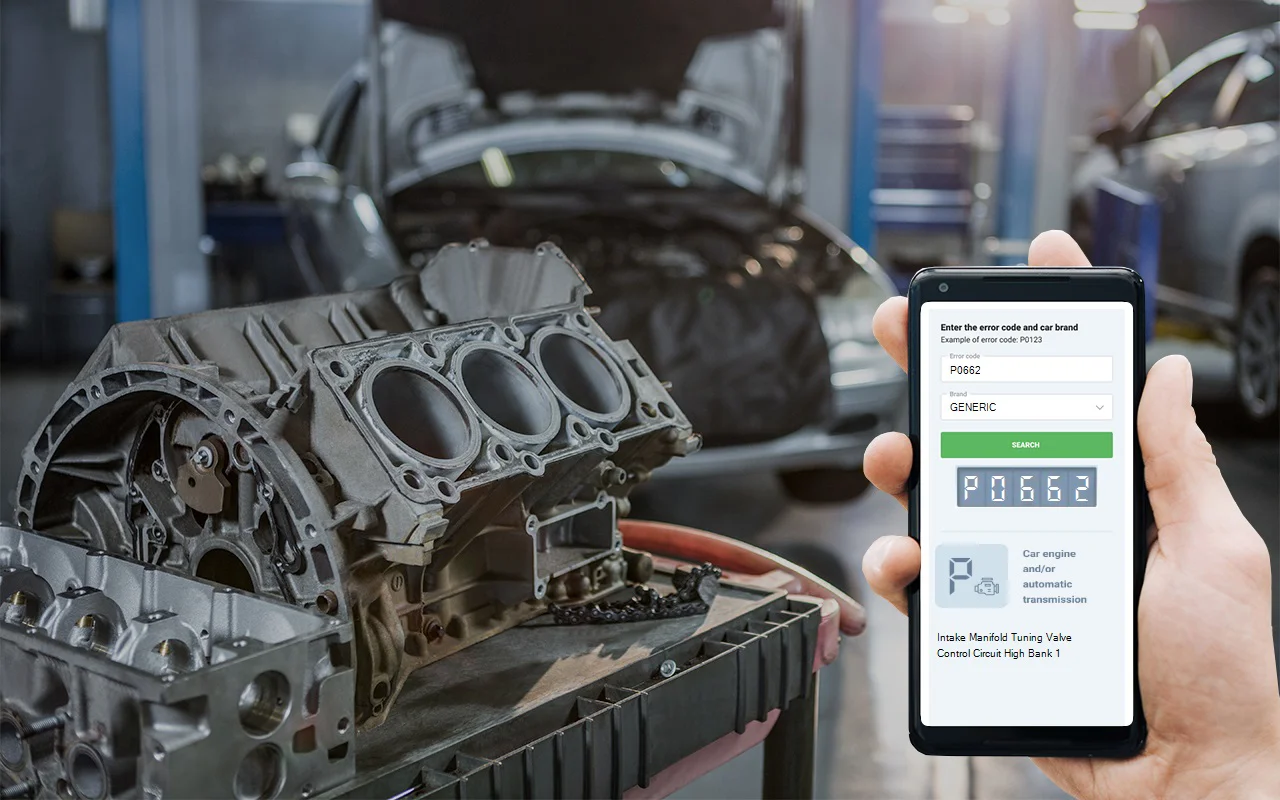
To sum it up, P0662 means your car’s computer is seeing an electrical problem with the intake manifold tuning valve on bank 1. This valve is important for engine performance and reliability. Don’t put off diagnosing this code-while sometimes it’s a quick fix, ignoring it can lead to serious engine damage. Start with the basics: check wiring and connectors, then move on to the valve. If you’re not sure, it’s always smart to get a professional opinion. Acting quickly is the best way to keep your engine safe and your car running smoothly.
 4773
4773 6 minutes of reading