
Causes and P0663 Diagnostic Code
From what I’ve seen in the shop and based on official repair info, the most common reasons for a P0663 code are:
- A faulty intake manifold tuning valve (the runner control valve itself is bad or stuck)
- Broken or worn plastic parts inside the valve
- The valve is jammed or blocked by debris
- Extreme cold weather causing the valve to freeze or stick
- Problems with the wiring harness-cracked, rubbed, or corroded wires are a big one
- A damaged or loose electrical connector at the valve
- Issues with the ECM (engine computer), though this is less common
- Contamination or buildup inside the valve mechanism
Most often, it’s either a stuck valve or a wiring issue, especially if the car’s seen a lot of heat cycles or harsh weather.
Symptoms of obd2 code P0663
When this code pops up, you’ll probably notice a few things aren’t quite right. Here’s what drivers usually report:
- Rough or uneven engine performance-sometimes it just doesn’t feel as smooth as usual
- A loud clicking or ticking noise from under the hood, especially at startup or when accelerating
- Worse fuel economy than you’re used to
- Possible hard starting or misfires, especially when the engine is cold
- Reduced engine power or sluggish acceleration
- The engine might feel like it’s lost some of its usual pep, especially at certain RPMs
- Trouble starting in cold weather
From experience, that odd clicking noise is a big clue, and if you’re noticing poor performance or fuel economy, it’s time to get this checked out.

Diagnosis Process for dtc P0663
Here’s how I usually tackle a P0663 code, step by step:
- First, I always check for any technical service bulletins (TSBs) for your specific make and model-sometimes there are known issues or updates from the manufacturer.
- Next, I clear the code and take the car for a good, long test drive. If the code comes back, we know it’s a real, active problem.
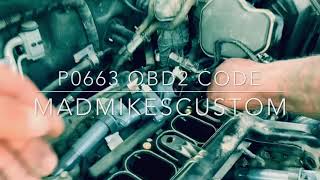
- Then, I locate the intake manifold tuning valve. It’s often tucked inside or on the side of the intake manifold, but the electrical connector should be visible. I check the connector for broken tabs, melted plastic, or signs of corrosion-anything that could mess with the connection.
- If you have access to a scan tool, you can try commanding the valve on and off electronically. If you hear a weird clicking or nothing at all, the valve might be stuck or not responding. Sometimes, you’ll need to remove the valve and physically inspect it for debris or broken parts.
- Don’t forget to check the wiring harness running to the valve. Look for cracked insulation, rubbing, or any signs of heat damage. Give the wires a gentle tug-sometimes they break inside the insulation where you can’t see it.
- If all that checks out and you’re still stuck, it’s time to consider the ECM. This is rare, but if you’ve got other unrelated codes or weird electrical gremlins, it could be the computer itself.
It’s best to start with the simple stuff-connectors and wiring-before diving into the more complicated or expensive repairs. And if you’re not comfortable poking around under the hood, it’s smart to have a pro take a look.
Common Mistakes When Repairing P0663 Trouble Code
I’ve seen a few common pitfalls when folks try to fix this themselves:
- Jumping straight to replacing the valve without checking the wiring or connector first-often it’s just a loose or corroded connection
- Overlooking broken or brittle wires hidden under the insulation
- Ignoring technical service bulletins that could save a lot of time and money
- Not clearing the code and retesting after each step-sometimes the problem was just a temporary glitch
- Forgetting to check for debris or buildup inside the intake manifold that could jam the valve
Take your time and work methodically. It’s easy to miss something simple and end up spending more than you need to.

Seriousness of obd code P0663 Issues
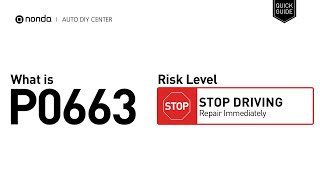
This isn’t a code you want to ignore. While sometimes it’s just a minor electrical hiccup, it can also mean there’s a risk of broken plastic parts getting sucked into the engine, which is a serious hazard. If that happens, you could be looking at major engine damage-valves, pistons, or even the cylinder head could get wrecked. Plus, driving with a malfunctioning intake system can lead to poor performance, higher fuel bills, and even leave you stranded if the engine starts misfiring badly. Honestly, it’s dangerous to put this off. Things can go south quickly if overlooked, especially if you start hearing unusual noises or the car feels weak.
Repair Steps for P0663 Code
Here’s what usually fixes a P0663 code, based on what I’ve seen and official repair procedures:
- Repairing or replacing damaged wiring or connectors at the intake manifold tuning valve
- Cleaning or replacing the intake manifold tuning valve if it’s stuck, jammed, or broken
- Clearing out any debris or buildup inside the intake manifold
- Replacing the ECM if it’s confirmed to be faulty (rare, but it happens)
- Updating the ECM software if there’s a technical service bulletin recommending it
Most of the time, it’s a wiring or valve issue, and those can be sorted out with some careful inspection and the right parts. Always double-check the repair with a scan tool to make sure the code doesn’t come back.


Conclusion
To sum it up, P0663 means your engine’s not able to properly control airflow on one side due to an electrical or mechanical issue with the intake manifold tuning valve. It’s important to diagnose this promptly-start with the wiring and connectors, then move on to the valve itself. The risk level can go from mild to severe depending on what’s broken, but the safest bet is to get it checked and fixed before it leads to bigger, more expensive problems. From experience, careful inspection and methodical troubleshooting are the most reliable ways to resolve this code and keep your engine running smoothly.
 4057
 6 minutes of reading