
Causes of P0694 code
From my time under the hood and what’s spelled out in the service manuals, here’s what I see most often causing a p0694:
- A faulty cooling fan relay for fan 2 - this little box is what the PCM uses to switch the fan on and off.
- A blown fuse for cooling fan 2 - no fuse, no power, no fan. Simple as that.
- Wiring problems - I’ve seen everything from snapped wires to corroded connectors in the fan circuit.
- A failed PCM - honestly, this is very rare. In all my years, I can count these cases on one hand.
Your best bet? Start your troubleshooting with the relay and the fuse. Nine times out of ten, that’s where the trouble’s hiding.
Symptoms of P0694
So how do you know you’re up against a P0694? Well, aside from the trusty old check engine light glaring at you, watch that temperature gauge like a hawk. If it’s creeping up higher than usual-especially when you’re stuck in traffic or it’s hot out-that’s your first clue. Sometimes, you might even get a dashboard warning about the engine overheating. Another giveaway? You’ll notice only one fan running instead of two, or maybe both are silent. In my experience, overheating is the real danger here, and if you let it go, you’re asking for expensive engine repairs down the line.

Diagnosis process for dtc P0694
Here’s how I usually tackle a P0694 when someone rolls into my shop:
- First off, check the fuse for cooling fan 2. It might seem basic, but blown fuses are behind a ton of these codes. Just pull it and look for a break in the strip.
- If the fuse is solid, move on to the relay. Here’s a pro-tip from the garage: find another identical relay in the fuse box-maybe for the horn or A/C-and swap them. If the fan suddenly wakes up and the code clears, you’ve nailed it. Be absolutely sure the relays match, though. I’ve seen folks make things worse with the wrong one.
- If that doesn’t solve it, it’s time to inspect the wiring and connectors. Look for corrosion, loose pins, or damaged wires. Water and road salt love to sneak in and wreak havoc.
- Still no luck? Test the fan motor itself by powering it directly. If it doesn’t spin, you’ve found the problem.
- Only after all those checks would I even think about blaming the PCM, and honestly, that’s a last resort.
If you’re not confident with electrical work, grab a friend or consult a pro. And always disconnect the battery before you start poking around-safety first.
Common Mistakes when dealing with P0694 trouble code
A classic mistake I see is folks jumping straight to replacing the fan motor or even the PCM, without checking the basics first. Skipping over the fuse and relay is a quick way to waste your time and money. Another pitfall? Swapping in a relay that looks the same but isn’t-this can really trip you up on brands like Nissan, Ford, or Renault. Get the part number right before you swap anything. Putting in the wrong relay can fry your PCM, and you definitely don’t want that headache.

Seriousness of P0694 engine code
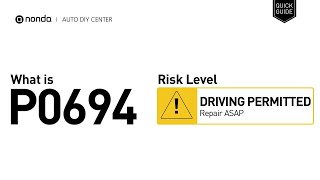
Let me put it plainly: this isn’t a code you should ignore. Without both cooling fans in action, your engine can overheat fast, especially in stop-and-go traffic or on scorching days. I’ve seen overheated engines warp cylinder heads or blow head gaskets-both are wallet-busting repairs. Don’t risk it. I can’t count how many engines I’ve seen ruined just because someone put off replacing a simple relay or fuse.
How to Repair obd code P0694
Here’s what I’d do to fix a P0694, based on what I’ve seen in the shop:
- Swap out a bad cooling fan relay for fan 2.
- Replace a blown fuse in the cooling fan circuit.
- Clean up or repair any damaged wiring or corroded connectors you find in the fan circuit.
- If the fan motor won’t run when you power it directly, replace it.
- As a last resort, if everything else checks out, look at the PCM-but that’s incredibly rare in my experience.
I always recommend starting with the relay and fuse-they’re the easiest to check and the most likely culprits in almost every P0694 I’ve fixed.

Conclusion
Bottom line: if you’ve got a P0694 code, your engine’s second cooling fan isn’t coming on when it should, and most of the time it’s because of a bad relay or a blown fuse. This is a problem you need to tackle right away, because overheating can wreck your engine in a hurry. My advice? Start with the simple stuff-check the fuse and relay-then move on to wiring or the fan motor if you need to. Don’t ignore this code, or you’ll be looking at some serious (and expensive) trouble before you know it. A step-by-step approach is how you’ll get your cooling system back in business and your engine protected for the long haul.
 5174
5174 5 minutes of reading