
Causes of P06A6 engine code
From what I’ve seen in the shop and according to official repair info, the most common causes for a P06A6 code are:
- A faulty sensor (often a transmission, transfer case, or differential sensor)
- Blown or damaged fuses and fusible links related to the sensor circuit
- A bad system power relay
- Broken, corroded, or disconnected wiring or connectors in the sensor circuit
- PCM programming errors (rare, but possible if P06A6 appears alone)
Most often, the issue is with the sensor itself or the wiring leading to it. I always recommend starting with a close look at the wiring and connectors before jumping to conclusions about the sensor or PCM.
Symptoms of obd2 code P06A6
When this code is active, you’ll probably notice some clear signs that something’s not right. Here’s what drivers usually report:
- Transmission won’t shift between sport and economy modes
- Rough or failed gear changes
- Delayed or missing gear engagement
- Can’t switch the transfer case between 2WD and 4WD
- Transfer case won’t shift between high and low range
- Front differential or hub won’t engage
- Speedometer or odometer acting up or not working at all
Sometimes, the only clue is the check engine light, but honestly, if you’re noticing any of these symptoms, it’s best not to ignore them.

Diagnosis of P06A6 code
Here’s how I usually tackle a P06A6 code, step by step:
- First, I always check for other codes. If there are any specific sensor codes, I address those first-they often point right to the problem.
- Next, I do a thorough visual inspection of the wiring harnesses and connectors related to the transmission, transfer case, and differentials. Look for frayed wires, corrosion, loose plugs, or signs of water intrusion. It’s better to have someone wiggle the harness while you watch for changes.
- Don’t forget to check all related fuses and relays. A blown fuse or bad relay can cause this code just as easily as a bad sensor.
- With a scan tool, I pull all stored codes and freeze frame data, then clear the codes and see if P06A6 comes back right away. If it does, that’s a strong sign the problem is still present.
- Using a digital volt/ohm meter (DVOM), I check for the correct reference voltage (usually 5 volts) and a good ground at the suspect sensor’s connector. If the voltage or ground is missing, I trace the circuit back to the PCM, checking for breaks or shorts.
- If voltage and ground are good, I test the sensor’s resistance and continuity against the manufacturer’s specs. If it’s out of range, the sensor needs to be replaced.
- For sensors with more complex signals (like some speed sensors), I’ll use an oscilloscope to watch the signal live. This helps catch intermittent glitches or dead spots.
It’s important to disconnect the PCM and any controllers before testing resistance to avoid damaging sensitive electronics. If you’re not comfortable with electrical testing, it’s best to get some help-things can go south quickly if you short something out.
Common Mistakes with obd code P06A6
In cases like this, I’ve seen folks jump straight to replacing the sensor or even the PCM without checking the basics. Skipping a careful inspection of the wiring and connectors is a surefire way to waste time and money. Another common mistake is not checking for related codes first-P06A6 often shows up alongside a more specific code that points right to the culprit. And don’t forget to test fuses and relays; overlooking a simple blown fuse can lead to a lot of unnecessary work.

Seriousness of P06A6
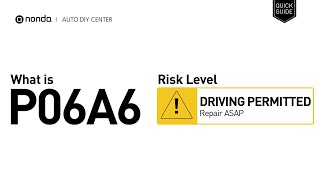
This isn’t a code you want to ignore. Depending on which circuit is affected, you could lose critical functions like shifting, four-wheel drive, or even speedometer readings. That’s a serious hazard, especially if you’re driving in tough conditions or need reliable shifting. If left unchecked, you risk damaging the transmission, transfer case, or differential-repairs that can get expensive fast. Honestly, it’s dangerous to put this off, and the risks just aren’t worth it.
Repair options for dtc P06A6
Here’s what I personally recommend for fixing P06A6, based on verified repair cases and OEM procedures:
- Repair or replace any damaged wiring, connectors, or terminals in the sensor circuit
- Replace blown fuses or faulty relays as needed
- Replace the faulty sensor if it fails resistance or signal tests
- In rare cases, reprogram or replace the PCM if all other causes are ruled out and the code persists
After repairs, always clear the code and drive the vehicle to make sure the PCM enters readiness mode and the code doesn’t return. That’s the best way to confirm the fix.
Conclusion
To sum it up, P06A6 means your vehicle’s computer isn’t getting the right voltage signal from a key sensor-usually tied to the transmission or drivetrain. It’s a moderate-to-high risk code that can lead to major drivability and safety issues if ignored. The most reliable way to resolve it is to start with a careful inspection of wiring, fuses, and connectors, then test the sensor itself, and only consider replacing the PCM as a last resort. Don’t put this off-addressing it promptly is the best way to keep your vehicle safe and running right.
 5846
5846 6 minutes of reading