
Causes of obd2 code P06C7
From my time under the hood, here are the most common reasons you’ll get a P06C7 code:
- Most often, it’s a bad or worn-out glow plug in cylinder 3. I’d say this is the main issue nine times out of ten.
- Next up, you could have broken, shorted, or corroded wiring leading to the glow plug. I’ve seen plenty of harnesses get brittle, and connectors can loosen up with vibration and age.
- Sometimes it’s just a glow plug connector that’s loose, dirty, or has seen better days.
- And don’t rule out the glow plug timer or controller going bad-the module that controls when and how long those plugs heat up.
Honestly, most of the time it’s the plug or wiring, but I’ve had a few stubborn cases where the controller was the culprit, especially as vehicles get older.
Symptoms of dtc P06C7
If you’ve got this code, you’ll probably notice some telltale signs. Most folks come in complaining about:
- Tough starting, especially first thing in the morning or when it’s cold. The engine cranks and cranks before finally catching.
- It might run rough or misfire for a bit after starting, sometimes idling like it’s had a bad cup of coffee.
- Black smoke from the exhaust, especially at startup. That’s unburned fuel from the cold cylinder.
- Worse fuel mileage or sluggish performance-these engines like all their glow plugs firing right.
- Of course, the check engine light comes on, and sometimes you’ll get other codes for misfires as well.
If you’re seeing these issues, don’t just shrug it off. Things can snowball fast if you leave it alone.

Diagnosis steps for P06C7 code
Here’s how I go about chasing down a P06C7 code in the shop:
- First things first-double-check which cylinder is number 3 on your engine. I’ve seen more than one tech chase the wrong plug and waste a bunch of time.
- Next, I do a close visual check of the glow plug, wiring, and connector. Look for loose fittings, frayed wires, or green corrosion that’s crept in. Sometimes just giving the connector a wiggle tells you there’s a bad contact.
- After that, I grab my scan tool and pull all stored codes and freeze-frame data. This helps spot any related issues or patterns you might otherwise miss.
- Then comes the hands-on test: I’ll pull the glow plug and hit it with battery voltage. If it glows cherry red, you’re good. If it stays dark, it’s toast. Word to the wise-these get blistering hot, so use insulated pliers and keep your hands clear.
- If the plug looks good, I’ll break out the digital volt/ohm meter and check resistance. If it’s not reading what the manufacturer calls for, swap it out.
- Should the plug and wiring both check out, I’ll test for voltage at the connector while the system’s active. No juice? Time to look upstream at the controller or timer, and don’t forget to check every fuse and relay that’s part of the glow plug circuit. Sometimes a fuse will look fine but open up as soon as you put a load on it.
- If everything else passes, I’ll check output from the controller or PCM. No output, then the controller’s probably done for.
It helps to have another set of hands-one person can turn the key while the other checks for voltage. And remember: always disconnect the battery before pulling glow plugs to keep sparks at bay.
Common mistakes when fixing obd code P06C7
A classic mistake I see is someone misidentifying which cylinder is number 3. That’ll have you chasing your tail. Another one? Skipping the simple visual check-sometimes it’s just a dirty or loose connector, nothing fancy. I've seen folks throw in a new glow plug without ever checking the wiring or controller, which just lands the code back in short order. And here’s a real pro-tip: don’t just eyeball the fuses and relays. Test them under load-a fuse can look good but still fail when real current flows through it.

How serious is a P06C7 engine code
P06C7 is not something you want to let slide. With a bum glow plug circuit, your diesel can be a bear to start-especially in the cold-and you’ll end up with rough running, heaps of black smoke, and possibly a plugged diesel particulate filter if you ignore it. Worst case? You’re stranded on a freezing morning, or you rack up a repair bill fixing damage that could’ve been avoided. It’s a genuine safety concern if your truck or car won’t start when you need it, so don’t put it off.
Repair solutions for P06C7 trouble code
Here’s what I’ve found works best for fixing a P06C7:
- Swap out the bad glow plug in cylinder 3 for a fresh, OEM-quality unit.
- Repair or replace any damaged wires or connectors you find in the glow plug circuit.
- Clean up and snug down every electrical connection-solid contact is key.
- If the controller or timer isn’t sending voltage, replace it. Don’t cut corners here.
- Change out any blown fuses or suspect relays tied to the glow plug system.
Once you’ve made the fix, clear the code and test the system to make sure your repair did the trick and the problem doesn’t come back.
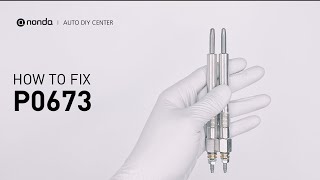
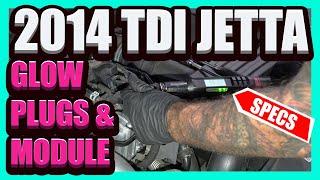


Conclusion
Bottom line: When you see a P06C7, your engine’s PCM has flagged a problem with the glow plug circuit for cylinder 3-usually the plug, the wiring, or sometimes the controller. For diesel engines, especially in colder climates, you can’t afford to ignore this one. Deal with it fast and right, or you could be looking at hard starts, bigger repair bills, or even a dead engine when you need it most. Start with a sharp inspection, test your parts, and always use quality replacements. That’s the best way to keep your diesel firing up strong and avoid a world of headaches down the line.
 5473
5473 6 minutes of reading