
Causes of P06DB trouble code
From what I’ve seen in the shop and what the official repair info says, the most common reasons for a P06DB code are:
- Wiring harness damage-like a rubbed-through wire or a connector that’s gotten wet or corroded.
- A faulty oil pump control solenoid or actuator-sometimes the part itself fails internally and causes a short.
- Connector issues-loose, bent, or dirty pins where the harness plugs into the oil pump or control module.
- Less often, a problem inside the engine control module (ECM) itself, but that’s pretty rare in my experience.
Most often the issue is with the wiring or the solenoid, not the computer.
Symptoms of P06DB code
If you’re driving with a P06DB code active, here’s what you might notice:
- The check engine light will almost always come on.
- Sometimes, you might hear odd noises from the engine, like ticking or knocking, especially if oil pressure isn’t being managed right.
- In some cases, the engine may run rough or feel like it’s lacking power.
- It’s possible you won’t notice anything obvious at first, but ignoring this can lead to bigger problems down the road.
It’s best not to wait and see if things get worse.

Diagnosis steps for P06DB
Here’s how I usually go about diagnosing a P06DB code:
- First, I always start by checking the oil level and condition-low or dirty oil can cause all sorts of trouble, so don’t skip this.
- Next, I visually inspect the wiring harness and connectors going to the oil pump control solenoid. Look for any obvious signs of damage, like frayed wires, broken insulation, or corrosion. It’s better to have someone assist you by wiggling the harness while you watch for changes.
- Then, I disconnect the connector at the oil pump solenoid and check for moisture, dirt, or bent pins. Clean and dry as needed.
- With a multimeter, I check for continuity between the control wire and ground. If you get a reading, that means there’s a short to ground somewhere in the harness.
- If the wiring checks out, I’ll test the solenoid itself for internal shorts by measuring resistance across its terminals. If it’s out of spec, it needs to be replaced.
- Only after all these checks would I suspect the control module, and that’s a last resort.
Don’t forget to clear the code and see if it comes back after repairs.
Common mistakes when fixing obd2 code P06DB
Honestly, I’ve seen a few common mistakes with this code:
- Jumping straight to replacing the oil pump or solenoid without checking the wiring first. That’s a surefire way to waste money.
- Overlooking connector issues-sometimes it’s just a dirty or loose pin causing all the trouble.
- Not checking for shorts to ground with a meter-visual checks alone aren’t enough.
- Assuming the ECM is bad right away. In cases like this, it’s usually something simpler.
Take your time and check each step carefully.

Seriousness of obd code P06DB
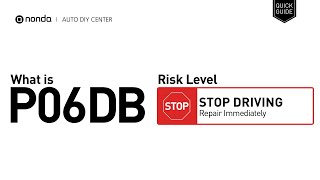
This isn’t something you want to ignore. If the oil pump isn’t being controlled properly, you could end up with low oil pressure, which is a serious hazard for your engine. Things can go south quickly if overlooked-engine components like bearings, camshafts, or even the whole engine can be damaged if oil pressure drops. The risks just aren’t worth it, so don’t put this off for later.
Repair solutions for dtc P06DB
Here’s what typically fixes a P06DB code, based on verified repair cases and official procedures:
- Repairing or replacing damaged wiring or connectors in the oil pump control circuit.
- Replacing the oil pump control solenoid or actuator if it’s found to be faulty.
- Cleaning and securing all electrical connections related to the oil pump control.
- In rare cases, replacing the engine control module (ECM) if all else fails and it’s confirmed to be the problem.
It’s best to start with the simple stuff-wiring and connectors-before moving on to parts replacement.

Conclusion
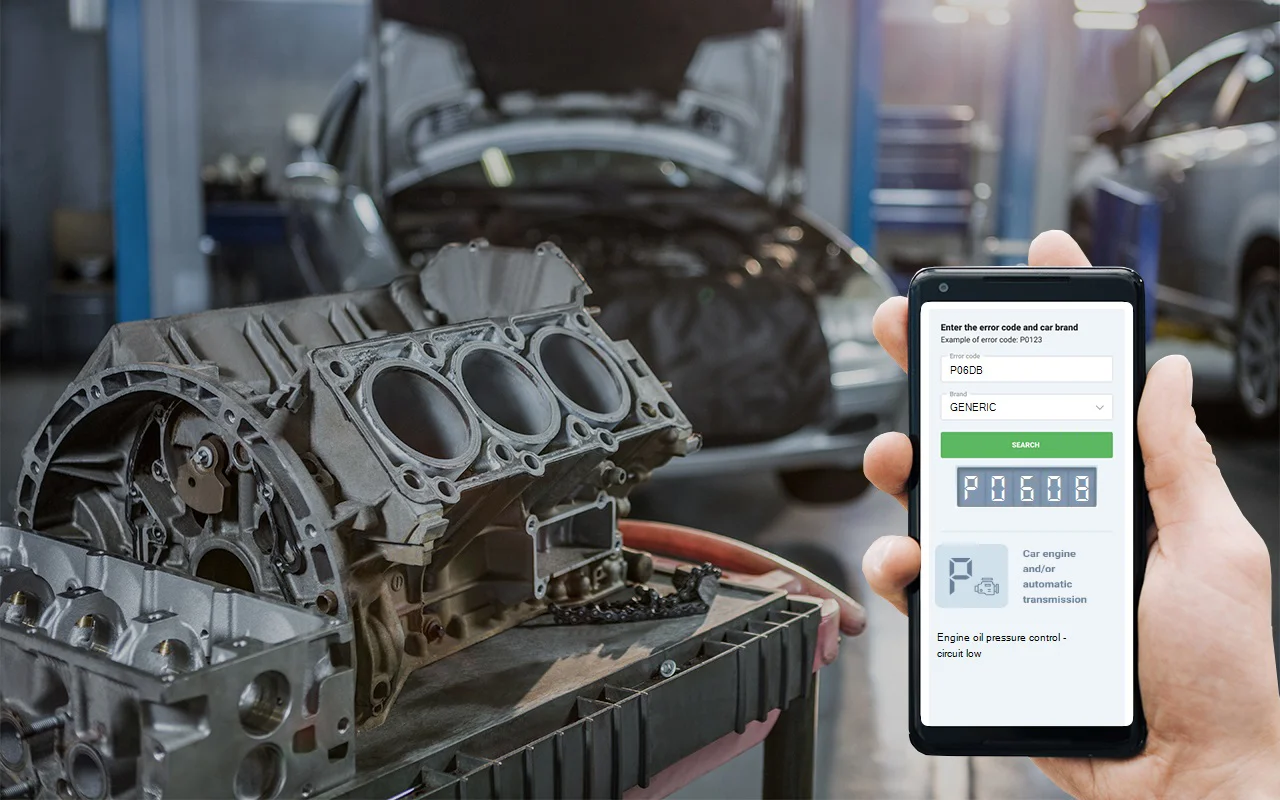
To sum it up, P06DB means there’s a problem with the electrical circuit that controls your two-stage oil pump-usually a short to ground. This is important for keeping your engine’s oil pressure where it needs to be. Don’t ignore it, because the risk of engine damage is real and can get expensive fast. The most reliable way to fix it is to carefully check the wiring and connectors first, then the solenoid, and only consider the ECM if everything else checks out. Acting quickly is the best way to keep your engine safe and avoid bigger headaches down the road.
 5066
5066 5 minutes of reading