
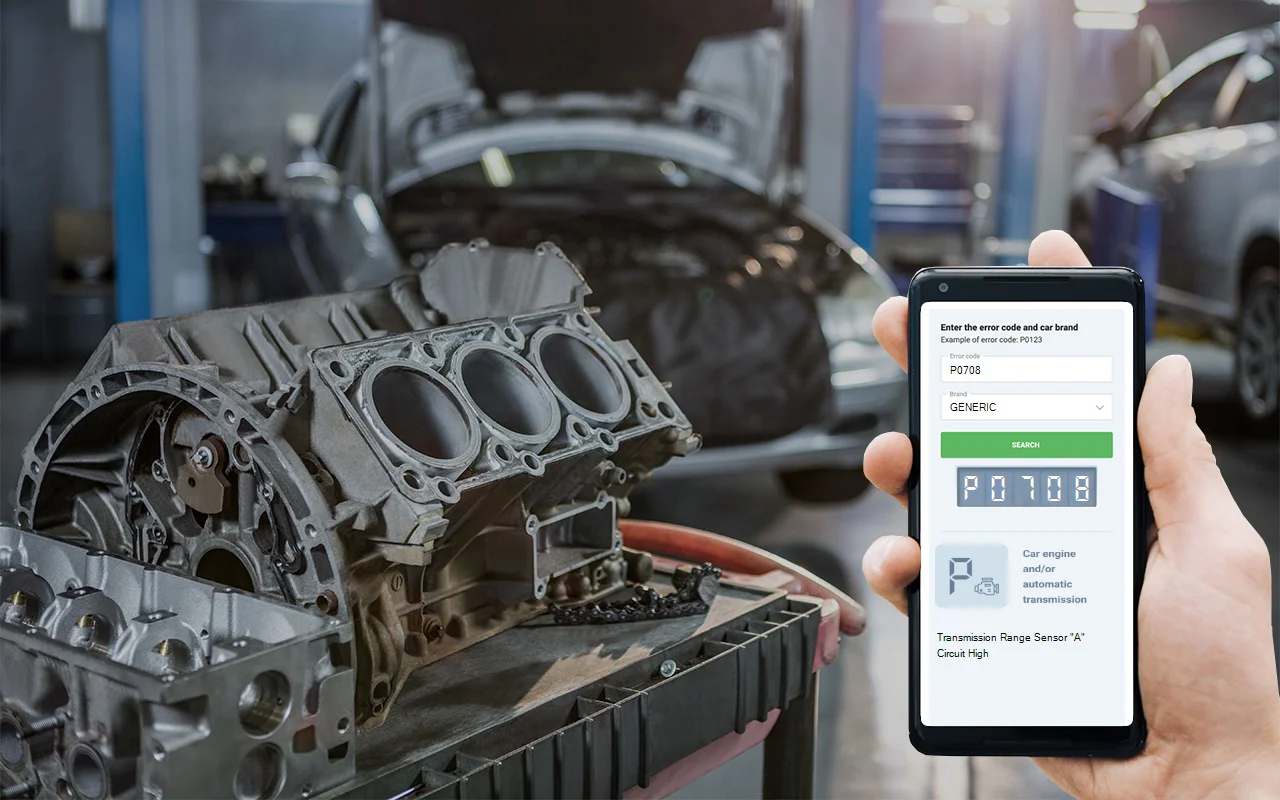
When you see the p0708 code pop up, your car’s PCM (that’s the main computer) is basically throwing up its hands and saying, “I have no idea what gear you’re in.” It’s almost always pointing at trouble with the transmission range sensor-sometimes folks call it the neutral safety switch. Now, this little sensor is what tells the computer which gear you’ve actually selected: Park, Reverse, Neutral, Drive, and so on. If the PCM gets confused-let’s say it thinks you’re in Reverse and Drive at the same time for longer than 30 seconds-it’ll set the p0708 code and, more often than not, kick the car into limp mode to keep the transmission from tearing itself up. In my time wrenching, I’ve seen this sensor mounted right on the outside of the transmission or tucked up on the valve body. Its job is dead simple but vital: only let your car start in Park or Neutral and make sure the shifting is exactly what you command.
DTC P0708
 4771
4771 5 minutes of reading
Causes and obd code P0708
From what I’ve seen in the shop and what the official manuals say, the most common reasons for this fault are:
- A faulty transmission range sensor itself-this is the part that most often fails.
- Damaged or corroded wiring or connectors going to the sensor. Sometimes a simple broken wire or loose plug is all it takes.
- A misadjusted range sensor, shift cable, or shift linkage-if these aren’t lined up just right, the sensor can send the wrong signals.
In my experience, it’s usually one of these three. I recommend starting with the basics before assuming the sensor is bad.
Symptoms of P0708
When this code is active, you’ll probably notice the check engine light is on. Most folks also report the car feels sluggish or has a real lack of power-it might not want to shift out of a lower gear, or it just won’t accelerate like it should. Sometimes, you might have trouble starting the car, or it won’t start unless you jiggle the shifter. If you’re seeing any of these, it’s a good bet something’s up with the range sensor circuit.

Diagnosis steps for P0708 code
Here’s how I usually go about tracking down a P0708 code:
- First, I check the basics-make sure the battery is good and the connectors at the transmission range sensor are clean and tight. Sometimes a little corrosion or a loose plug is all it takes to throw things off.
- Next, I visually inspect the wiring harness for any signs of damage, rubbing, or pinched wires. Don’t forget to look for broken insulation or greenish corrosion at the terminals.
- Then, I check the adjustment of the shift cable and the range sensor itself. If the shifter and the transmission aren’t perfectly in sync, the sensor can send mixed signals. It’s best to have someone help you move the shifter while you watch the sensor’s position.
- If everything looks good so far, I use a scan tool to monitor the gear position data while moving the shifter through all positions. I’m looking for any weird readings or spots where the computer thinks you’re in two gears at once.
- If I still haven’t found the issue, I’ll test the sensor with a multimeter according to the service manual specs. If it’s out of range, it’s time for a new sensor.
It’s always smart to start simple and work your way up. Don’t skip the basics!
Common Mistakes when fixing obd2 code P0708
I’ve seen people jump straight to replacing the sensor without checking the wiring or the adjustment first. That’s a surefire way to waste money. Another common mistake is overlooking corrosion or loose connectors-these little things can cause big headaches. And sometimes folks forget to check the shift cable or linkage adjustment, which can throw the whole system off. Always double-check the basics before swapping parts.

Seriousness of a P0708 engine code
This isn’t something to ignore. When the computer can’t trust the gear position, it’ll put the car into limp mode to protect the transmission-which means poor performance and possible safety risks. You don’t want to get stuck in the wrong gear or have the car refuse to start when you need it. If left unchecked, you could end up with transmission damage or even a no-start situation. Honestly, things can go south quickly if this is overlooked, so don’t put it off.
Repair advice for dtc P0708
Most of the time, the fix comes down to one of these:
- Replacing a faulty transmission range sensor with a new, OEM-approved part.
- Repairing or replacing damaged wiring or connectors in the sensor circuit.
- Adjusting the range sensor, shift cable, or linkage so everything lines up perfectly.
In rare cases, you might need to address issues inside the transmission, but that’s not common for this code. Always follow the service manual for your specific vehicle to make sure everything’s done right.
Conclusion
To sum it up, P0708 means your car’s computer is confused about what gear you’re in, usually because of a bad sensor, wiring issue, or misadjustment. This is a high-priority problem-don’t wait to get it checked out, since it can lead to poor performance or even leave you stranded. The best path is to start with the simple checks-wiring, connectors, and adjustments-before replacing the sensor. With a careful, step-by-step approach, you’ll get your car shifting and starting like it should again.
- P0708 ✅ SYMPTOMS AND CORRECT SOLUTION ✅ - Fault code OBD2
- P0708 Transmission Range Sensor A Circuit High Input 🟢 Trouble Code Symptoms Causes Solutions

- P0708: transmission range sensor circuit high FIX easy repair Ford Escape and others

- How to Diagnose and Fix P0708 Engine Code - OBD II Trouble Code Explain
