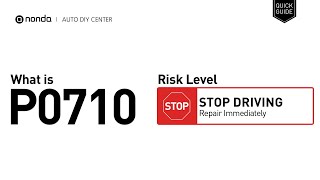
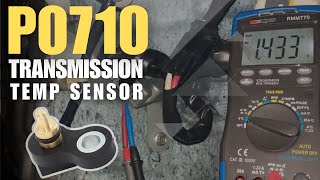
Over the years, I’ve seen my fair share of demo dtc p0710 codes pop up on scan tools. When you get a P0710, it’s your car’s way of telling you there’s a problem with the “Transmission Fluid Temperature Sensor ‘A’ Circuit.” In everyday terms, this little sensor’s job is to constantly monitor how hot or cold your transmission fluid gets. Believe me, that fluid is the lifeblood of your transmission-it keeps everything inside cool and slick so gears and clutches don’t burn up. The sensor sends its readings straight to your vehicle’s powertrain control module (PCM), which then makes decisions on shifting, torque converter lockup, and line pressure. If the PCM spots a reading from the sensor that’s way out in left field-maybe the resistance is off the charts or way too low-it’ll throw that P0710 code. Usually, you’ll find this sensor sitting right in the transmission oil pan, bathing in fluid. If this part goes bad, you’re risking rough shifts and, eventually, a cooked transmission.
DTC P0710
 5298
5298 5 minutes of reading
- Main Causes and Diagnostic Approach for obd code P0710
- Common Signs and Effects of P0710 engine code
- Step by Step Inspection for P0710 trouble code
- Avoiding Errors during obd2 code P0710 Repair
- Why You Should Not Ignore dtc P0710
- Effective Fixes for P0710 code Issues
- Conclusion
- Video for "Error p0710" on YouTube
- Comments on the article
Main Causes and Diagnostic Approach for obd code P0710
From my time under the hood, nine times out of ten, a P0710 is caused by a bad transmission fluid temp sensor. But let’s not stop there-there are other gremlins that can set this code off. Here’s what I’m always on the lookout for:
- Bad transmission fluid temperature sensor (hands down, the most frequent offender)
- Wiring headaches-think open or shorted circuits, corroded wires, busted insulation, or connectors that aren’t seated right
- A faulty PCM or TCM-pretty rare, but it does happen
- Internal transmission issues-these are less common, but if the trans has been overheated or neglected, all bets are off
Here’s a pro-tip from the garage: always start with the basics before assuming the whole transmission needs to come out.
Common Signs and Effects of P0710 engine code
When this code shows up, you’ll usually spot a few red flags. First up is the check engine light-it’s almost guaranteed to make an appearance. Some cars also have a specific transmission temp warning, so watch for that. What I’ve often found is the shifting gets weird: maybe it’s rough, maybe it’s delayed, or maybe the transmission just refuses to shift altogether. If you feel anything odd when you’re driving-especially stubborn or erratic shifting-don’t shrug it off. Trust me, ignoring these signs can turn a simple fix into a massive headache.

Step by Step Inspection for P0710 trouble code
This is how I personally troubleshoot a P0710, step by step:
- Start by checking the transmission fluid level and condition. If it’s low or looks burnt, that alone can mess with sensor readings and shift quality.
- Next, get your eyes on the wiring and connectors at the sensor. Look for green corrosion, cracked insulation, or loose terminals. Sometimes, just unplugging and plugging a connector back in can fix the issue-don’t overlook the simple stuff.
- After that, I hook up a scan tool and pull live data from the sensor. If you’re seeing a reading that makes no sense-like -40°F with a warm engine, or something sky-high-pay attention. That’s a huge clue.
- On the bench, I’ll grab a multimeter and test the sensor’s resistance. The thing is a thermistor, so the resistance should drop as it gets hotter. If it doesn’t match the factory specs, you’ve found your culprit.
- If the sensor and wiring pass all the checks, only then do I consider a PCM or TCM issue. But honestly, that’s a needle-in-a-haystack scenario.
If you’re not 100% comfortable poking around with wires, don’t go it alone. And always disconnect the battery before unplugging connectors-better safe than sorry.
Avoiding Errors during obd2 code P0710 Repair
A classic mistake I see all the time is replacing the sensor right off the bat, without ever checking the wiring first. It’s an easy way to waste your cash. Another overlooked step is ignoring the quality of the transmission fluid. Old, dirty, or burnt fluid can cause sensor readings to go haywire or even cook your transmission. People also tend to skip the basics, like making sure connectors aren’t full of corrosion or that pins aren’t loose. My advice? Always rule out the simple stuff before reaching for your wallet.

Why You Should Not Ignore dtc P0710
If you’re thinking about putting off a P0710, let me stop you right there. When your transmission fluid temp sensor isn’t working right, your car’s PCM can’t control shifting or keep things cool. That leads to harsh shifting, slipping, and worst of all, overheating the transmission. I’ve seen folks drive with this problem and end up needing a full transmission rebuild-clutches, bands, even the torque converter can get roasted. Bottom line: don’t risk it. Get it fixed before you’re stranded or facing a repair bill that’ll ruin your week.
Effective Fixes for P0710 code Issues
Here’s what’s worked best in my shop: If the sensor’s bad, swap it out with a new one-problem solved more often than not. If you find damaged wires or sketchy connectors, repair or replace them as needed. On the rare occasion the PCM or TCM is to blame, you might need to reprogram or replace it, but don’t go there until you’ve checked everything else. After any repair, clear the code and take the car for a spin to make sure it’s truly fixed. And if your transmission fluid looks or smells burnt, now’s the time for a fluid and filter change. It’s cheap insurance for your gearbox.
Conclusion
Here’s the bottom line: P0710 points to a busted transmission fluid temperature sensor circuit, and that spells trouble for your shifting and transmission longevity. Don’t drag your feet-check the basics first: fluid, wiring, connectors. Most of the time, a new sensor or a wiring repair will set things right. Letting this slide is asking for expensive trouble, so tackle it promptly and keep your transmission running smooth for the long haul.