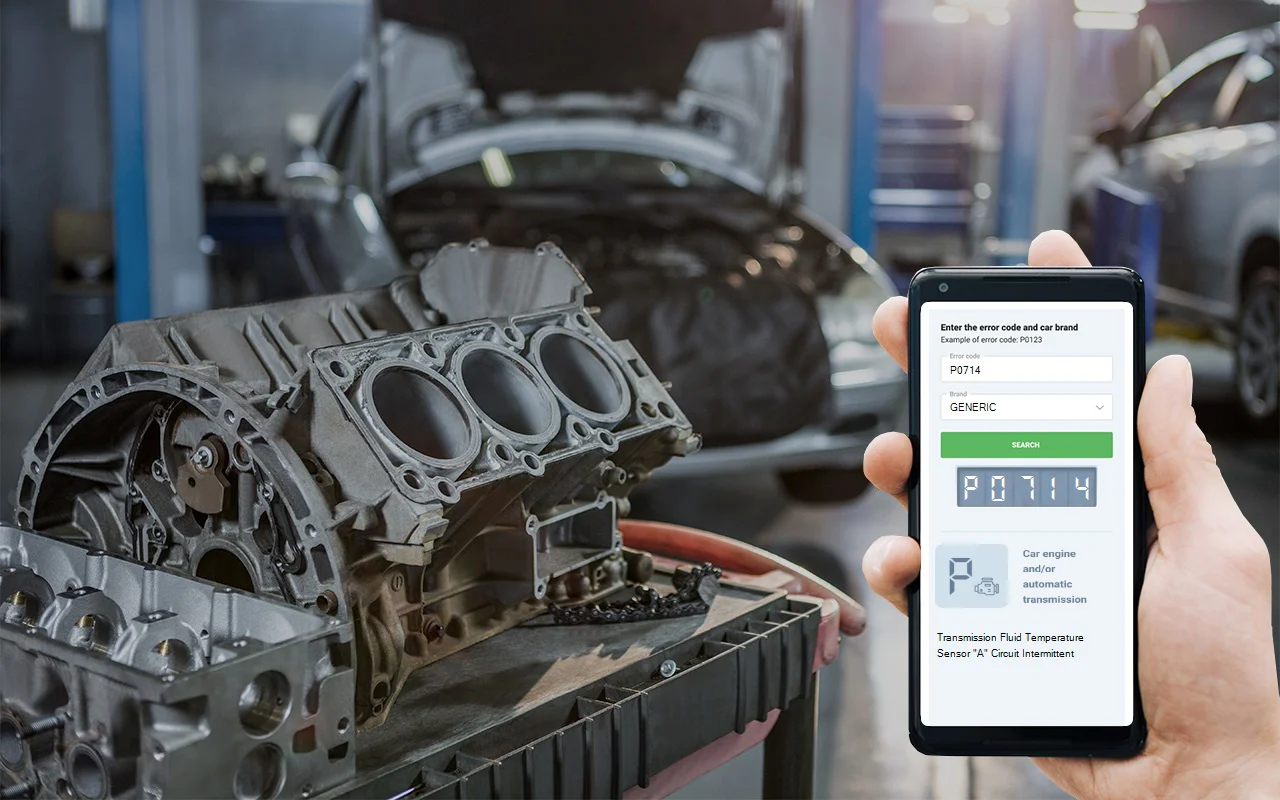
Let me break down what code P0714 actually means for your vehicle. This code pops up when the powertrain control module (PCM) detects an intermittent problem with the transmission fluid temperature (TFT) sensor, specifically in the “A” circuit. The TFT sensor’s job is to keep tabs on how hot or cold your transmission fluid is. It’s a crucial piece because the PCM uses this information to make sure your automatic transmission shifts smoothly and doesn’t overheat. If the PCM gets a signal that keeps cutting in and out, or just doesn’t make sense, it flags this code. Most often, the sensor is tucked away in the valve body, right behind the transmission oil pan. In short, this sensor helps your car shift gears properly and protects the transmission from heat damage.
DTC P0714
 5397
5397 5 minutes of reading
Main Causes and P0714 Engine Code
From experience, I can tell you that there are a handful of usual suspects when it comes to P0714. Here’s what I see most often in the shop:
- A faulty transmission fluid temperature sensor - this is the most common culprit.
- Problems inside the transmission itself, like internal faults or excessive wear.
- Wiring issues, such as damaged, corroded, or loose connectors between the sensor and the PCM.
- Less commonly, a malfunctioning PCM (the vehicle’s main computer) can be to blame.
It’s usually best to start with the sensor and wiring before jumping to more complex or expensive parts.
Typical Symptoms with P0714 Code
When this code is active, you’ll probably notice a few things. The check engine light will almost always come on. You might feel the transmission shifting harder than normal, or there could be a delay when it changes gears. Sometimes, the torque converter clutch won’t work right, which can make the car feel sluggish or cause odd shifting. In some cases, the vehicle might even go into limp mode, where it limits power to protect itself. If you’re experiencing any of these, it’s a clear sign something’s not right with the transmission controls.

Step by Step Diagnosis Using OBD Code P0714
Here’s how I usually tackle a P0714 code, step by step. First, I always start simple: check the transmission fluid level and condition. Low or dirty fluid can cause all sorts of problems, so top it up or change it if needed. Next, I visually inspect the wiring and connectors going to the TFT sensor. Look for any signs of damage, corrosion, or loose connections-sometimes just reseating a connector can clear things up. After that, I use a scan tool to monitor live data from the TFT sensor. If the readings are jumping around or don’t match the actual fluid temperature, that’s a big clue. For a more hands-on check, I’ll test the sensor’s resistance with a multimeter (following the specs in the repair manual). If the sensor fails this test, it’s time to replace it. If everything checks out but the code remains, then I start looking at the PCM and internal transmission issues. It’s better to have someone assist you when working under the car, and always disconnect the battery before unplugging any sensors.
Common Mistakes with P0714 Trouble Code
Honestly, one of the biggest mistakes I see is folks jumping straight to replacing the sensor without checking the wiring or fluid first. Another common slip-up is not using a scan tool to compare the sensor’s readings to actual fluid temperature. Skipping the basics can lead to wasted time and money. Don’t forget to check for any related codes that might point to a bigger issue inside the transmission. It’s easy to overlook a simple connector problem, but that’s a surefire way to end up chasing your tail.

How Serious is OBD2 Code P0714
This isn’t something you want to ignore. A bad TFT sensor or related wiring can cause the transmission to shift harshly or at the wrong times, which puts extra stress on the internal parts. Over time, this can lead to serious damage like burnt clutches or even a failed transmission. You don’t want this kind of trouble on the road-things can go south quickly if overlooked. Plus, if your car goes into limp mode, you could be stranded or stuck driving at reduced power. The risks just aren’t worth it.
Repair Solutions for DTC P0714
In cases like this, the most reliable fix is to replace the faulty transmission fluid temperature sensor if it fails testing. If the wiring is damaged or corroded, repair or replace the affected sections. Make sure all connectors are clean and secure. If the sensor and wiring are fine but the problem persists, the PCM may need to be checked or reprogrammed, though this is rare. And don’t forget-if the transmission fluid is dirty or low, change it and address any leaks. Here’s what I usually do: sensor replacement, wiring repair, fluid service, and as a last resort, PCM diagnosis.
Conclusion
To sum it up, code P0714 means your car’s computer is getting unreliable signals from the transmission fluid temperature sensor. This is a moderate to high-priority issue because it can quickly lead to bigger transmission problems and even leave you stranded. The best path is to start with the basics-fluid, wiring, and sensor checks-before moving on to more complex repairs. Acting quickly is the safest bet, and in my experience, replacing the sensor or fixing the wiring usually gets things back to normal. Don’t put this off for later; your transmission’s health depends on it.