
Causes of P0718 engine code
From what I’ve seen in the shop and based on official repair info, the most common reasons for a p0718 code are:
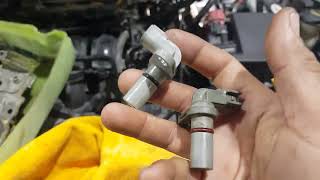
- A faulty input or turbine speed sensor-these can fail outright or start sending weak signals.
- Damaged, loose, or burnt wiring and connectors in the sensor circuit. Sometimes it’s just a corroded plug or a wire that’s rubbed through.
- Metal shavings or debris stuck to the magnetic tip of the sensor, which can mess up the readings.
- Problems with the PCM itself, like a software glitch or rare internal failure.
Most often, the issue is with the sensor or the wiring. I recommend starting your checks there before moving on to the more complex stuff.
Symptoms of P0718
When this code is active, here’s what you’ll likely notice while driving:
- The speedometer or odometer might jump around, act erratically, or stop working altogether.
- You could feel the transmission shifting at the wrong times, or the shifts might be harsh and not as smooth as usual.
- Sometimes, the car won’t shift gears properly, or it might get stuck in one gear.
- You might see a drop in fuel economy, since the transmission isn’t shifting as efficiently as it should.
If you’re seeing any of these symptoms, it’s a good idea to get it checked out sooner rather than later.

How to diagnose P0718 trouble code
Here’s how I typically approach diagnosing a p0718 trouble code, step by step:
- First, I always check for any Technical Service Bulletins (TSBs) for your specific vehicle. Sometimes the manufacturer already knows about a common issue and has a fix ready.
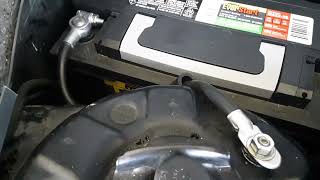
- Next, I do a thorough visual inspection of the wiring and connectors going to the input/turbine speed sensor. Look for frayed wires, loose plugs, or any signs of burning or corrosion. Don’t forget to check the battery cables and alternator output, since low voltage can cause weird issues.
- Then, I hook up a scan tool to pull any stored codes and freeze frame data. This helps me see what was happening when the code set.
- Using the scan tool, I watch live data from the input and output speed sensors. If one of them isn’t reading or is jumping around, that’s a big clue.
- If I suspect the sensor itself, I’ll remove it and check for metal debris stuck to the magnetic tip. Clean off any shavings before putting it back.
- I also check the sensor’s resistance and the circuit voltage with a digital volt/ohm meter, following the specs in the service manual. If the readings are off, the sensor likely needs to be replaced.
- It’s important to inspect the mounting area for debris or damage, and make sure the gap between the sensor and the spinning part inside the transmission is correct-too much or too little space can throw off the readings.
- If all the wiring and sensors check out but the code keeps coming back, then I start looking at the PCM as a possible cause, but that’s pretty rare.
It’s better to have someone help you with some of these checks, especially if you need to get under the car or remove the sensor.
Common mistakes with obd2 code P0718
In cases like this, I’ve seen a few common mistakes that can lead to wasted time or even bigger problems:
- Jumping straight to replacing the sensor without checking the wiring and connectors first. A loose or corroded plug is often the real culprit.
- Overlooking metal debris on the sensor tip-this can cause intermittent issues that are easy to miss.
- Not checking for TSBs or known issues for your specific make and model. Sometimes there’s a simple software update or revised part that solves the problem.
- Forgetting to check the sensor gap or not cleaning the mounting area before reinstalling the sensor.
Don’t skip the basics-those simple checks can save you a lot of hassle.

How serious is obd code P0718
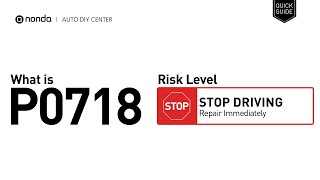
Honestly, this is not something you want to ignore. If you keep driving with a p0718, you risk more than just annoying symptoms. The transmission can start shifting unpredictably or harshly, which is a serious hazard-especially in traffic or at highway speeds. If the sensor isn’t working right, the transmission might slip, overheat, or even go into limp mode to protect itself. Over time, this can lead to damage to the transmission internals, like clutches and gears, and that’s a much more expensive fix. You don’t want this kind of trouble on the road, so don’t put this off for later.
How to repair dtc P0718
From experience, here are the repairs that usually solve a dtc p0718:
- Cleaning or replacing the input/turbine speed sensor if it’s dirty, damaged, or out of spec.
- Repairing or replacing any damaged wiring or connectors in the sensor circuit.
- Cleaning off any metal debris from the sensor tip and making sure the mounting area is spotless.
- Checking and correcting the sensor gap if needed, following the service manual specs.
- If all else fails and the PCM is at fault, reprogramming or replacing it, but that’s pretty rare.
It’s best to start with the simple fixes before moving on to the more complex or expensive repairs.

Conclusion
To sum it up, P0718 means your car’s computer isn’t getting a steady signal from the transmission’s input speed sensor. This can mess with your shifting, speedometer, and even fuel economy. It’s a moderate to high priority issue-things can go south quickly if overlooked, and it can lead to expensive transmission damage. The most reliable way to fix it is to start with a careful inspection of the sensor and wiring, clean up any debris, and only replace parts as needed. Don’t wait on this one-taking care of it promptly is the best way to keep your car running safely and smoothly.
 5649
5649 6 minutes of reading