
Causes of P0723
From experience, the most common reason for a P0723 code is a faulty output speed sensor itself. But I’ve also seen plenty of cases where the issue was something else in the system. Here’s what I usually look for first:
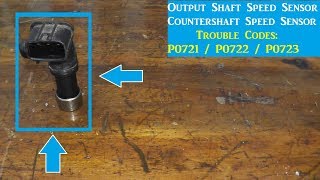
- Defective or failing output speed sensor
- Dirty or contaminated transmission fluid
- Clogged or dirty transmission filter
- Corroded, damaged, or loose wiring/connectors-especially at the sensor, solenoids, or PCM
- Faulty shift solenoid
- Problems with the transmission valve body
- Restricted or blocked hydraulic passages inside the transmission
- PCM (engine computer) malfunction (rare, but it happens)
- Issues with the transmission fluid temperature sensor
Most often the issue is with the sensor or the wiring, but it’s important to check everything on this list before jumping to conclusions.
Symptoms of dtc P0723
When this code pops up, you’ll probably notice a few things aren’t right with your car. Here’s what drivers usually report when I see a P0723:
- Check engine light is on
- Transmission shifts roughly or won’t shift at all
- Poor fuel economy
- Speedometer acting up or showing the wrong speed
- Car may go into limp mode or idle-only mode
- Occasional misfire-like symptoms
If you’re seeing any of these, especially shifting problems or a weird speedometer, don’t ignore it-things can go south quickly if left unchecked.

Diagnosis and Testing for obd2 code P0723
When a vehicle rolls into my bay with a P0723, I always start with the basics, no fancy scan tools right away. That’s saved me-and plenty of customers-time and money. Here’s the routine I’ve honed over the years:
- First up, check for any Technical Service Bulletins (TSBs) for your specific make and model. Sometimes the factory’s already found a recurring gremlin and has a fix lined up.
- Then, take a good look at the transmission fluid. Low, dirty, or burnt-smelling fluid? That’s a red flag you can’t ignore. If it looks or smells off, swap it out.
- Check your maintenance records if you have them. If it’s been ages since the last fluid or filter change, you’ve just found your starting point.
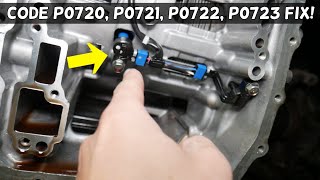
- Next, get your eyes on every wire and connector running to the output speed sensor, solenoids, and PCM. I’ve lost count of the times a little corrosion or a loose pin caused the headache. Pay special attention to the sensor’s connector-it’s a notorious troublemaker.
- With the ignition off, unplug the sensor and break out the digital multimeter. Check for continuity in the wiring-if you see anything other than 0 ohms, you’ve got a break or short that needs tracking down.
- If the harness checks out, test the sensor’s resistance against the specs in your service manual. Out of range? That’s your culprit.
- If all that passes, you might have to dig deeper into the shift solenoids or valve body, but at that stage you’re looking at specialty tools or a pro-level scan tool.
Here’s a pro-tip: Have a helper when you’re poking around electrical connectors, and always disconnect the battery first. One slip and you could be chasing electrical gremlins for days.
Common Mistakes When Fixing P0723 code
I’ve seen a lot of folks jump straight to replacing the transmission or the PCM, but that’s rarely the answer. Here are the most common missteps:
- Overlooking simple wiring or connector issues-corrosion and loose pins are easy to miss
- Ignoring dirty or low transmission fluid
- Replacing the speed sensor without checking the wiring or connectors first
- Assuming it’s an internal transmission failure without doing basic checks
Don’t skip the simple stuff-otherwise you could spend a lot of money and still have the same problem.

Seriousness of P0723 engine code
P0723 isn’t the kind of problem you shrug off and deal with next month. What I’ve often found is, if you ignore it, things can spiral fast-one minute you’re dealing with a blinking check engine light, the next you’re stuck in limp mode on the side of the highway. If the transmission isn’t shifting right, you risk losing power at the worst possible moment. Plus, driving around with this code can do real harm to your transmission, solenoids, or even the PCM. Bottom line: don’t gamble with it. Get it checked out now, not later-you’ll save yourself a fortune and a world of hassle.
Repair Steps for obd code P0723
Now, onto what actually fixes a P0723-here’s what I see in the shop, and what the repair manuals back up:
- Replace the output speed sensor if it’s bad
- Swap out the transmission fluid and filter if they’re overdue or filthy
- Repair or replace any wiring or connectors that are damaged, corroded, or loose
- Clean up any corrosion on terminals and connectors
- Flush the transmission if you suspect clogged hydraulic passages
- If all else fails, repair or replace a faulty shift solenoid or the valve body
- Only after all the above, consider reprogramming or replacing the PCM-but that’s rare.
Here’s my advice: Always start with the easiest fixes first. Nine times out of ten, you’ll find the culprit in the simple stuff like the sensor or the wiring. No need to overcomplicate it.


Conclusion
If you’re staring down a P0723, you’re dealing with an output speed sensor circuit issue that can mess with your shifting, your speedometer, and even land you in limp mode. This isn’t a code you want to brush off-it can go from a small nuisance to a major headache in a hurry. My advice? Check your fluid, inspect the wiring, and test the sensor before you start throwing parts or money at the problem. Acting quickly and methodically always pays off and gets you back on the road with less stress and fewer surprises.
 5486
5486 6 minutes of reading