
Causes and dtc P072F Troubleshooting
After years in the shop, I can tell you that most P072F headaches boil down to issues with fluid or the control system. Here’s what usually turns up when I start poking around:
- Transmission hydraulic passages clogged with debris or gunk
- Low automatic transmission fluid (ATF)-a classic culprit
- Wrong, dirty, or contaminated ATF
- A shift solenoid that’s sticking or just plain done for
- Problems with the transmission control module (TCM) itself
- Wiring gremlins-think frayed, melted, shorted, or broken wires
- Connector issues, including melted plastic, busted tabs, or corrosion on the pins
Most of the time, I find it’s something as simple as the fluid level or condition, but don’t rule out wiring or a faulty TCM-they can sneak up on you and cause the same kind of trouble.
Symptoms of obd2 code P072F in Your Vehicle
When P072F is active, trust me-you’ll notice. Here’s what drivers tell me, and what I look for every time:
- Your car suddenly feels heavy or flat-out won’t pick up speed
- The engine's straining harder than it should, almost like it’s fighting the car
- Unusual sounds coming from underneath-clicks, clunks, or whining you haven’t heard before
- The throttle just isn’t responding right, feels lazy
- You’re stuck at a certain speed no matter how much you mash the gas
- Spotting red ATF pooling under your car-never a good sign
If you’re locked into one gear, driving gets dicey fast. These symptoms aren’t subtle, and if you’re feeling any of them, it’s time to park it and investigate before something worse happens.

Diagnosis Steps for P072F Issues
When a P072F code rolls into my bay, I always start simple. Here’s my battle-tested approach:
- Check your transmission fluid-both level and condition. Use the dipstick if you’ve got one (engine idling, car in park, flat surface). That fluid should be bright and clean-not burnt, not black, not gritty. If it looks or smells off, you’ve found a clue.
- If fluid’s low, get under the car and hunt for leaks. Even a small trail or puddle of red fluid can point you straight to the problem area.
- Take a close look at the TCM, especially if it’s mounted somewhere moisture can get to it. Corrosion or water in the connectors is a red flag you can’t ignore.
- Grab a scan tool and watch the gear data while driving. You’ll see right away if the transmission is refusing to shift. The scan data tells the story.
- If you’re comfortable with wiring, inspect connectors and harnesses for broken pins, corrosion, or loose fits. Sometimes just cleaning a plug or tightening a pin fixes it-don’t overlook the small stuff.
It helps to have a second set of hands, especially when chasing leaks or reading data live. And don’t cut corners on fluid type-using the wrong stuff is asking for trouble.
Common Mistakes When Addressing P072F code
I can’t tell you how many times I’ve seen folks throw money at expensive parts before checking the real basics. Don’t make these rookie moves:
- Skipping the fluid check or topping up with the wrong ATF
- Ignoring tiny leaks that end up starving the transmission
- Overlooking corroded connectors or broken wires-they’re easy to miss but cause plenty of headaches
- Blaming the TCM right off the bat, without testing for water or corrosion first
- Not plugging in a scan tool to see what’s actually happening inside the transmission
Always start with the simple stuff. Parts are expensive-don’t swap anything until you’ve ruled out the easy fixes.

Seriousness of P072F engine code for Your Transmission
Let me be blunt-this one’s serious. If your transmission’s stuck and you keep driving, you’re risking major damage. Especially when you’re locked in a high gear, the engine’s gonna overwork, and that’s a recipe for disaster. I’ve seen folks ruin their transmissions-and sometimes even the engine-by ignoring this code. Repairs can get real expensive, real fast. My advice? Don’t wait. Get it checked and fixed before a minor issue turns into a wallet-busting mess.
Repair Solutions for obd code P072F Problems
When I’m tackling a P072F, here’s what’s worked best for me and lines up with what the manufacturers recommend:
- Drain and refill the transmission with only the fluid your car’s maker calls for-no substitutes
- If the old fluid’s nasty, do a full transmission flush
- Fix any leaks you find-don’t just top off and hope for the best
- Clean or swap out any shift solenoids that are slow or stuck
- Track down and repair any damaged wiring or sketchy connectors
- If all else fails and the TCM’s at fault, replace or reprogram it to factory specs
Most of the time, sorting out fluid or wiring issues will get you back on the road. If not, you might need to dig deeper into the transmission itself or the TCM, but always start with the basics.


Conclusion
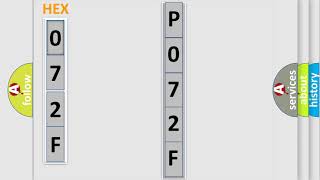
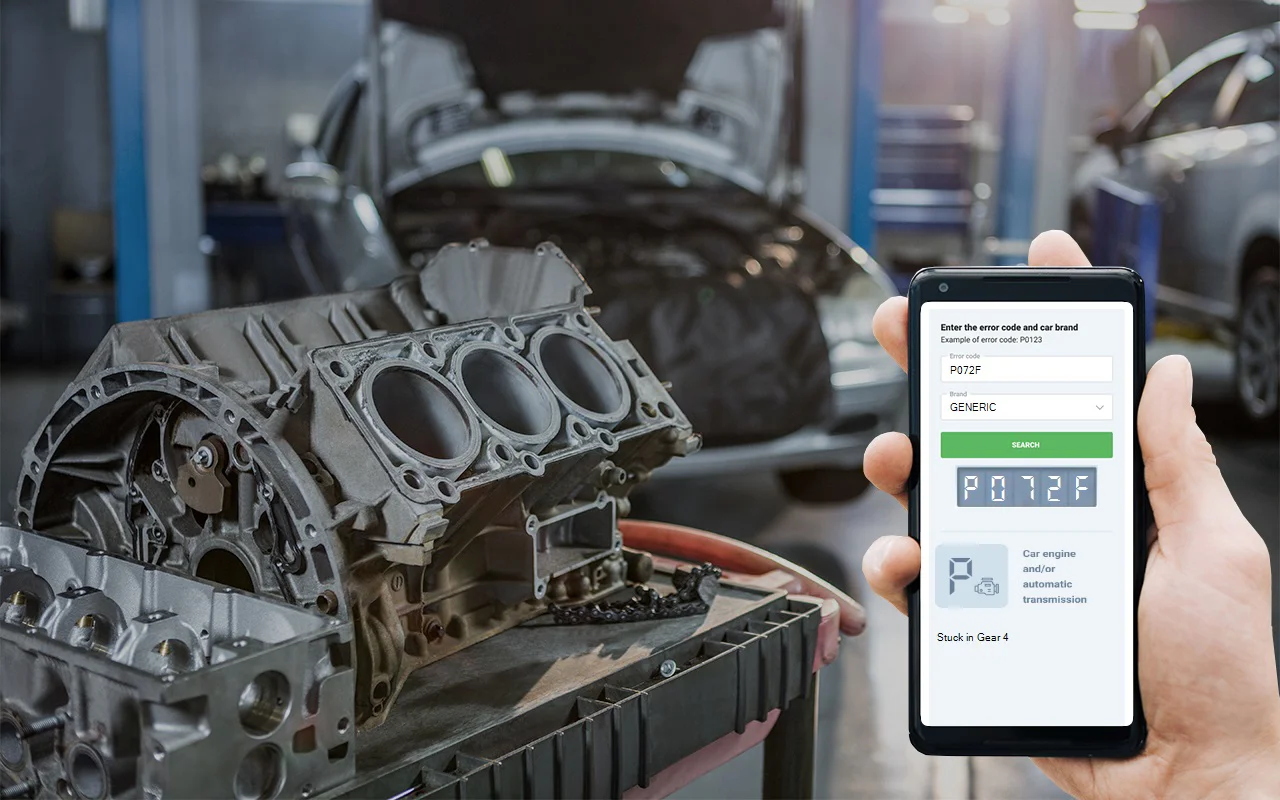
Bottom line: P072F means your automatic transmission’s stuck-usually in fourth-and your car’s computer is waving the red flag. This isn’t something to ignore; leave it, and you could be looking at a blown transmission or worse. Start simple: check fluid, look for leaks, inspect wiring. Only move on to big repairs after you’ve ruled out the easy stuff. Don’t gamble with your gearbox-the safest bet is a methodical diagnosis and tackling the root cause head-on before you get back out there.
 3936
3936 6 minutes of reading