
Causes of P073D trouble code
From my time under the hood and what the factory manuals back up, here’s what usually triggers a transmission refusing to slip into neutral:
- Low or messed-up automatic transmission fluid (ATF) - Honestly, this is the top offender in most cases I’ve worked on.
- Wrong ATF in the system - I can’t tell you how many shifting headaches I’ve seen just from using the incorrect fluid.
- Hydraulic blockages inside the transmission - Debris or gunk can block up those critical passages.
- A sticking or faulty shift solenoid - These little guys direct fluid for shifting, and when they act up, so does your transmission.
- TCM problems - Water getting in, corrosion, or even a simple electronic failure can mess with its job.
- Wiring or connector faults - I’ve lost count of how often a loose, corroded, or damaged connector was the root cause.
Most days, it’ll be something simple like fluid level or quality. But don’t rule out those pesky electrical gremlins or a bad solenoid-they show up more often than you’d think.
Symptoms of obd code P073D
If your ride’s got a neutral shift fault, you’re not likely to miss it. The check engine light is usually your first warning. But from what I’ve seen, folks also notice:
- The car won’t budge or feels locked in gear - Sometimes you can’t get it into drive or reverse at all.
- Limp or sluggish acceleration - It can feel like your car’s suddenly gained a hundred pounds.
- Odd noises from the transmission or engine area - Think grinding, whining, or an ugly clunk when shifting.
- Delayed or aggressive shifting - Instead of a smooth shift, you’ll get a jolt or long pause.
- Throttle feels dull - You stomp the gas, but it takes a second to wake up.
- Spots of red fluid under the car - That’s ATF, and if it’s leaking, you’ve got trouble brewing.
Trust me, when this code pops up, your car’s telling you to stop pushing your luck. Best to pull over and sort it out before you end up stranded-or worse.

Diagnosis steps for P073D engine code
When a car with a P073D lands in my bay, here’s the step-by-step I follow-and a lot of these you can handle in your own garage before calling in the pros:
- Start by checking the transmission fluid. With the engine running, car in park, and parked on level ground, pull the dipstick (if your car has one). The fluid should be up to level, look clean, and have that familiar reddish tint-not brown, not smelling burnt. Low or nasty fluid? Top it off with the exact stuff the manufacturer recommends, and always look underneath for leaks.
- Spot any red puddles or stains under your ride? That’s ATF, and the leak could be as simple as a loose pan bolt or a tired old seal. Trace it back if you can.
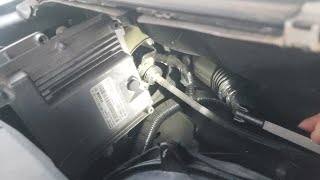
- Take a close look at the TCM and its connectors. If the TCM’s mounted near the transmission, check for water intrusion, corrosion, or loose/broken wires. Any greenish crud or busted connector tabs? That’s your problem spot.
- If you’ve got a scan tool handy, hook it up and check for other transmission codes. Also, watch the live data for gear position-see if the trans is actually shifting or if it’s stuck in one gear. This trick can help narrow down if you’re fighting a mechanical versus an electrical gremlin.
- If everything above checks out, the issue’s probably hiding inside the transmission-maybe a stuck solenoid or a blocked hydraulic passage. At this point, take it from me, it’s time to bring in a transmission specialist. Tearing open a transmission is not a beginner’s job.
Here’s a pro-tip: always use the right fluid, and when you top off, double-check your work. Don’t go it alone for leak checks-a second set of eyes can spot something you missed.
Common mistakes when fixing obd2 code P073D
A classic mistake I see all too often? Folks overlook the fluid, or worse, dump in the wrong kind. Another misstep is blowing cash on a new TCM or solenoids before checking those basic things-fluid, leaks, connectors. I’ve seen more than a few people skip inspecting the wiring and connectors, only to chase their tails with misdiagnoses. And whatever you do, don’t just clear the code and hope it goes away. That’s about as effective as putting tape over the check engine light.

Seriousness of dtc P073D issues
Don’t take this one lightly. If your transmission can’t get into neutral, you’re flirting with a tow truck or a wallet-busting repair bill. Keep driving and you’re risking overheating, accelerated wear, or even full-on transmission failure. I’ve seen transmissions, solenoids, TCMs, and even engines get damaged when folks ignore this warning. You don’t want to roll the dice on this-get it checked out ASAP.
Repair options for P073D code
Here’s what’s worked time and again in my shop and what the factory recommends:
- Drain and refill the ATF with the correct fluid-flush it if it’s dirty.
- Fix any leaks-a fresh seal, gasket, or hose might be all you need.
- Clean or swap out the shift solenoid if it’s the culprit.
- Repair or replace any sketchy wiring or connectors at the transmission or TCM.
- If the TCM is toast after all your checks, replace it.
- In rare cases, you’ll need internal transmission repairs for blockages or major damage inside.
Here’s what I tell every customer: Start simple with fluid and leak checks. They’re cheap, quick, and often sort things out right away.

Conclusion
Here’s the takeaway: P073D means your transmission can’t find neutral, and that’s a serious problem for both safety and your bank account. Most of the time you’re looking at low, dirty, or leaking ATF, or an electrical issue. Don’t put this off-check the basics first: fluid, leaks, connectors. If they’re all good, it’s time to let a pro dig deeper. The fastest way to avoid a big repair bill is to jump on this early. Most fixes are simple if you catch them in time, but don’t be afraid to ask for help if you’re stumped. Trust me, your transmission is not something you want to gamble with.
 4891
4891 6 minutes of reading