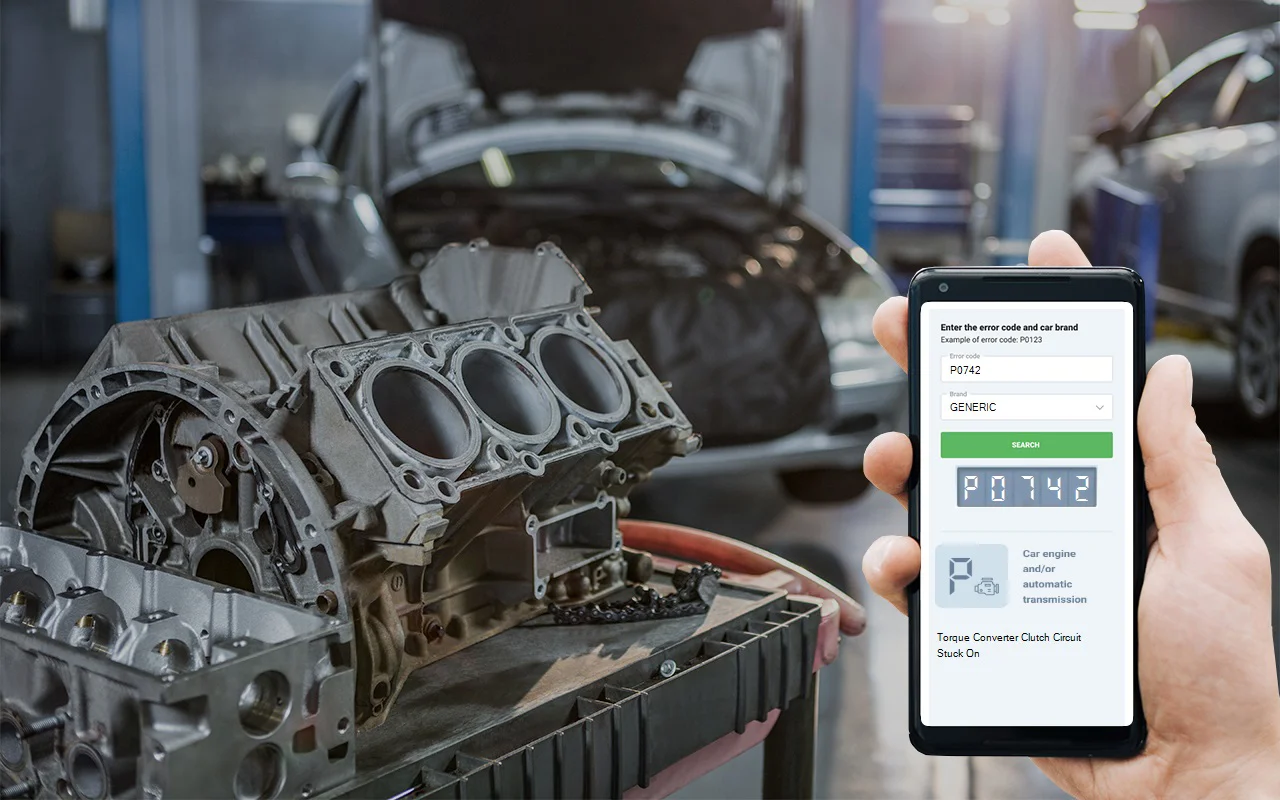
When you see a P0742 code pop up, your car’s computer is basically waving a red flag about the torque converter clutch (TCC) staying locked when it shouldn’t. Let me break it down: the TCC is tucked away inside the automatic transmission, and its job is to ‘lock up’ the engine and transmission together, which really helps with fuel economy, especially when you’re cruising down the highway. The powertrain or transmission control module (PCM or TCM) manages this clutch using a solenoid and a bundle of wiring. When everything’s running like it should, you won’t even notice the clutch engaging and disengaging during your drive. But if the computer notices that the clutch isn’t letting go-meaning it’s stuck on-this code gets triggered. In plain English, your car’s telling you there’s a glitch somewhere in the TCC circuit, which could be an electrical hiccup or a mechanical snag. Trust me, the TCC system is vital because it directly affects how your car shifts, how smooth it drives, and even how it idles at a stoplight.
DTC P0742
 4904
4904 6 minutes of reading
Causes of P0742 code
From my time under the hood and what I’ve read in factory service manuals, here’s what usually causes a P0742 code to show up:
- A bad torque converter clutch solenoid-this little guy loves to stick or fail electrically after years of heat and wear.
- Wiring or connector gremlins-damaged wires, corroded plugs, or loose connections can throw the whole TCC circuit into chaos.
- Valve body hang-ups inside the transmission-bits of debris or just plain old wear can keep valves from sliding like they should.
- A failing torque converter-doesn’t happen every day, but on high-mileage rides, I’ve seen it more than once.
- Internal transmission issues-something major inside can trigger this code, usually along with other symptoms.
- A faulty transmission control module (TCM)-rare, but I have come across it a handful of times.
Most times, it’s the solenoid or some crusty wiring. Still, you’ve got to check every angle-overlooking the basics can cost you big time later.
Symptoms of obd2 code P0742
When this code’s active, a few telltale signs usually show up. For starters, the check engine light almost always comes on. With GM vehicles in particular, I’ve seen engines stall or even cut out entirely when coming to a stop or sometimes at highway speeds. You might also pick up on shuddering, hesitation, or rough shifts. Occasionally, it’ll feel like your car wants to lunge forward while you’re sitting at a stop. If you spot any of these issues, don’t shrug them off-things can spiral fast if you let it go.

Diagnosis process for P0742
Here’s how I go after a P0742 code in the shop, and you can use this approach if you’re comfortable wrenching. First step: check your transmission fluid-make sure it’s topped up and doesn’t look or smell burnt. Gunky or low fluid can be a smoking gun for bigger issues. Next, I hook up a scan tool to confirm the code and see if there’s any company-other related codes can give you more clues. After that, it’s time to eyeball the wiring and connectors running to the TCC solenoid-look for broken wires, corrosion, or plugs that feel loose. A trick I use is to have someone gently move the harness while I watch the scan tool for any changes-sometimes the problem only shows up when things are jiggled. If the wiring checks out, break out the multimeter and test the solenoid’s resistance-your service manual will have the specs. A solenoid that’s out of spec is often the main culprit. If everything on the electrical side looks good, it’s time to think about possible valve body issues or a failing torque converter. At that stage, you’re staring down internal transmission work, which is best left to a pro if you’re not equipped for heavy-duty jobs.
Common mistakes when fixing dtc P0742
One classic mistake I see all the time is folks diving right into replacing the whole transmission or torque converter without checking the obvious stuff. Skipping a thorough look at the wiring or not testing the solenoid can end up costing way more than necessary. Another blunder is ignoring what the transmission fluid looks like-old, dirty, or burnt fluid is a red flag and super easy to miss. My advice? Always start with the simple checks before you start thinking about dropping big money on major components.

How serious is the P0742 trouble code
Let me be clear: this isn’t something you want to put on the back burner. A stuck TCC can stall your engine at the worst possible time-think busy intersections or stop-and-go traffic-which is both dangerous and nerve-racking. Driving around with this code can also cook your transmission, wrecking the torque converter, valve body, or even the entire tranny itself. Bottom line? Ignore a P0742 and you’re rolling the dice with your safety and your wallet. It’s just not worth the risk.
Repair solutions for obd code P0742
Here’s what’s worked best for me over the years:
- Swap out the bad TCC solenoid if it fails the resistance check or is physically stuck.
- Fix up or replace any damaged wires or crusty connectors in the TCC circuit.
- Flush out and refill the transmission fluid if it’s looking dark, burnt, or smells off.
- Clean or repair the valve body if you find it’s got sticking valves or debris inside.
- In the rare case the torque converter or internal transmission parts are bad, replacement is the only real fix.
- If the TCM is toast, you’ll need to replace or reflash it.
My best advice? Start with the easy wins-fluid, wiring, solenoid-before you go after the heavy hitters. Nine times out of ten, the solution’s right there.
Conclusion
Here’s the bottom line: when you get a P0742, your torque converter clutch isn’t letting go, and that spells trouble-stalling, rough shifts, even major transmission failure if you leave it unchecked. My recommendation? Don’t wait. Start with the basics: eyeball the fluid, scope out the wiring, and test that solenoid. Most of the time, you’ll catch it before it turns into a nightmare. Jump on it early and you’ll save yourself a ton of grief down the road-trust me on that one.