
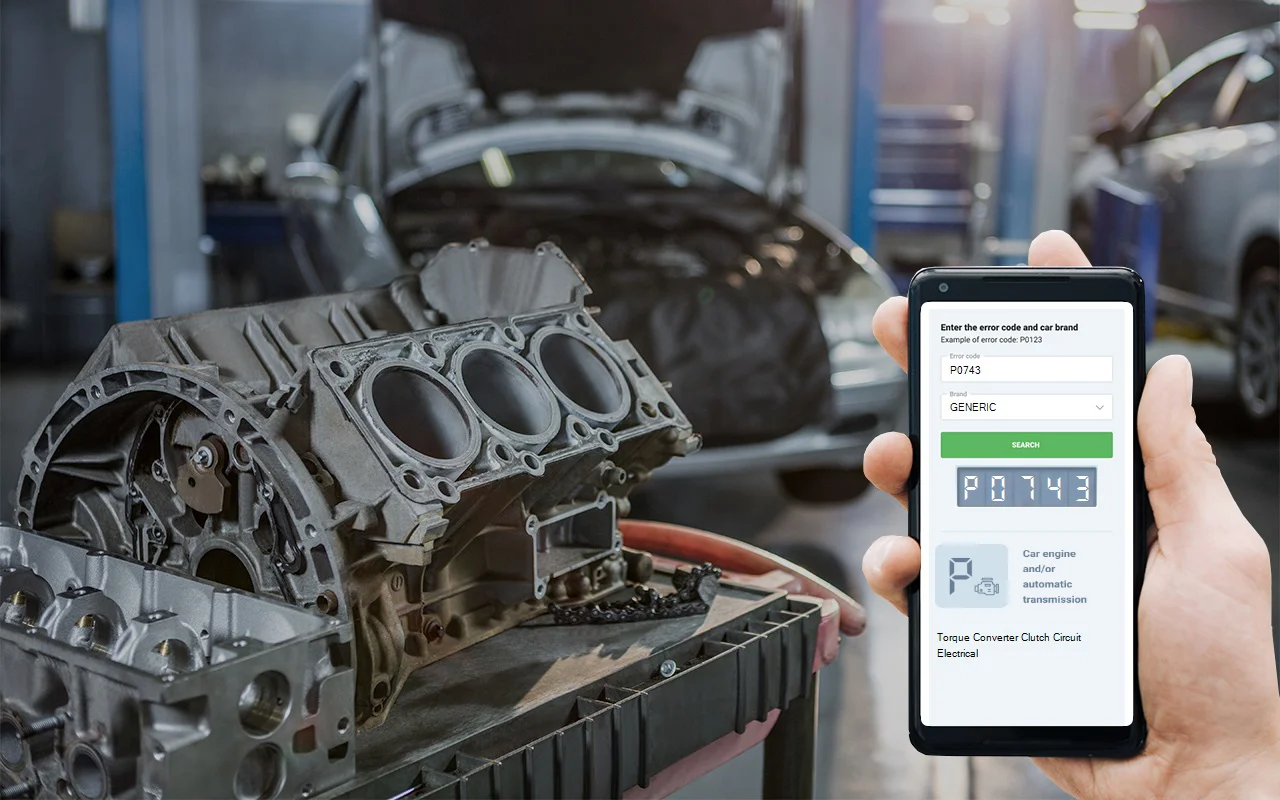
When you see the p0743 code pop up on your scanner, here's what's happening: your car's computer has picked up on an electrical fault in the torque converter clutch (TCC) solenoid circuit. From my time in the shop, I can tell you the TCC solenoid, though small, plays a huge role inside your automatic transmission. Its main job? To control exactly when the torque converter clutch locks up. In plain English, that means it creates a solid link between your engine and transmission when you're cruising down the road. This doesn't just make your ride more efficient-it can seriously help with fuel economy and keep those transmission temps from creeping too high. If the computer can't properly control or even monitor this solenoid, it throws the P0743 code on your dash to let you know something's up. It's the car's way of saying, 'Hey, something's off in the system-better look into it.'
DTC P0743
 4953
4953 6 minutes of reading
Causes of P0743 trouble code
From experience, I can tell you that the most common reasons for a P0743 code are usually electrical or internal transmission issues. Here’s what I see most often:
- A failed torque converter clutch (TCC) solenoid - this is the part that actually engages the lockup function.
- Problems inside the torque converter itself - sometimes the clutch or internal components wear out or stick.
- A defective valve body - this is the part that directs fluid to the right places in the transmission, and if it’s not working right, the solenoid can’t do its job.
- Low or dirty transmission fluid - this can block passages and keep the solenoid from operating correctly.
- Wiring or connector issues - broken, corroded, or loose connections in the solenoid circuit can trigger this code.
- PCM (Powertrain Control Module) failure - not as common, but it does happen.
- Internal transmission problems - worn clutches or other mechanical failures inside the transmission can also set this code.
Symptoms of dtc P0743
When dtc p0743 pops up, you’ll probably notice a few things. Most drivers see the check engine light come on first. You might also feel the engine revving higher than normal at highway speeds, or notice your fuel mileage dropping. Sometimes, the car can go into a ‘limp’ mode where it won’t shift properly, or you might feel shuddering or slipping when driving. In more severe cases, you could even experience stalling when coming to a stop or a sensation that feels like a misfire. If you’re noticing any of these, it’s a good sign to get things checked out sooner rather than later. This error can also happen on vehicles from brands like Jeep or Ford.

Diagnosis for P0743 code
Let me walk you through how I handle a P0743 code when it rolls into my bay. I always start with the basics-here’s my usual checklist:
- First, get under the hood and check your transmission fluid. If it’s low or looks like old coffee, you’ve got a problem. Burnt smell? Big warning flag.
- Next, I take a close look at the wiring and connectors running to the TCC solenoid. You’d be surprised how often a little corrosion or a loose pin is the real culprit. A quick wiggle test on the harness while watching for changes can save you hours.
- Once the obvious stuff is sorted, I’ll use a scan tool to clear the code and see if it returns. If it pops right back, I’ll command the TCC solenoid on and off with the scan tool, watching closely for any response in the system. If nothing happens, the solenoid itself-or the wiring-is in my crosshairs.
- If needed, I grab a multimeter and check the solenoid’s resistance against what the service manual calls for. If it’s out of the normal range, you’ve likely found your smoking gun.
- If the electrical checks out, it’s time to peek inside. That usually means dropping the transmission pan and checking the valve body or even the guts of the transmission itself for problems.
- If you’ve ruled out everything else and you’re still stuck, a PCM issue might be the last piece of the puzzle. Rare, but not impossible.
Before you dive in, scan for any related codes-they might point you toward the real root of the problem. And if this feels over your head, don’t hesitate to bring in a pro. Some things are best left to folks with the right tools and experience.
Common mistakes when repairing obd2 code P0743
I’ve seen a few common slip-ups with this code. One big mistake is jumping straight to replacing the solenoid without checking the fluid or wiring first. Another is overlooking a dirty or low fluid level, which can cause the same symptoms. Sometimes, folks ignore the possibility of a wiring or connector issue and end up spending money on parts they don’t need. Skipping the step of checking the solenoid’s resistance against OEM specs is another one I see. Always work methodically-don’t just throw parts at the problem.

Seriousness of obd code P0743
Honestly, this isn’t something you want to ignore. Driving with a P0743 code can lead to poor fuel economy, rough shifting, or even leave you stuck in limp mode. If the torque converter clutch isn’t working right, it can cause the transmission to overheat, which is a serious hazard and can lead to much more expensive repairs down the road-like a full transmission rebuild. Parts that can be damaged if this is left unchecked include the torque converter, valve body, and even the transmission itself. Things can go south quickly if overlooked, so don’t put this off for later.
Repair steps for P0743 engine code
Let me break down the typical repair path I follow when tackling a P0743 code:
- If the torque converter clutch solenoid is dead, swap it out. Simple as that.
- Spotted damaged or crusty wiring in the TCC circuit? Repair or replace those harnesses and connectors.
- Transmission fluid looking rough or running low? Change the fluid and the filter-don’t skimp on this step.
- If the valve body is sticking or acting up, you’re probably looking at a rebuild or replacement.
- On rare occasions, the torque converter or even internal transmission parts might need attention. Not common, but it happens-especially on high-mileage rides.
- Only after you’ve ruled out everything else, and you’re sure, look at replacing or reprogramming the PCM. Don’t go there first.
Start with the easy wins: check your fluid and wiring before jumping into the deeper, more expensive fixes. Saves you time, money, and plenty of headaches.
Conclusion
So, here’s the bottom line: if you get a P0743 code, your transmission’s torque converter clutch solenoid circuit has an electrical hiccup. That’s not something to brush off. This issue can seriously mess with your vehicle’s drivability and the lifespan of your transmission. Make it a priority-don’t let it slide. Start by checking the simple stuff: fluid, wiring, and the solenoid. Catch it early, and you’ll often dodge the big repair bills. Wait too long, and you could be looking at a complete transmission overhaul. The smart play? Work through a solid, step-by-step diagnosis, fix the root problem, and get back to smooth driving before things get ugly.
- Causes and Fixes P0743 Code: Torque Converter Clutch Solenoid Circuit Electrical
- P0743 Torque Converter Clutch Circuit Electrical 🟢 Trouble Code Symptoms Causes Solutions

- DTC P0743 Overview: Torque Converter Clutch Solenoid Circuit Electrical
- How to Diagnose and Fix P0743 Engine Code - OBD II Trouble Code Explain
