
Causes Related to OBD Code P0752
From years spent in the shop, I can tell you-P0752 usually boils down to a handful of repeat offenders. Sure, the solenoid itself often takes the blame, but there’s a whole list of suspects you need to rule out before pointing fingers. Here’s what I see time and again:
- Shift solenoid “A” that’s stuck or flat-out faulty
- Transmission fluid running low, sometimes thanks to a sneaky leak
- A transmission filter that’s so clogged up, fluid can’t flow right
- Wiring issues-think frayed, corroded, or loose connectors in the solenoid’s circuit
- A valve body that’s acting up or has worn passages
- Internal transmission gremlins like worn clutches or bands
- A TCM that’s on the fritz
Don’t just swap out the solenoid and hope for the best-track down the real cause before spending your hard-earned cash.
Symptoms Indicating a P0752 Code
If you’re staring down a dtc p0752, here’s what you might notice behind the wheel-these are the telltale signs I see in the bay all the time:
- That dreaded check engine light or transmission warning lamp lights up
- Shifting gets weird-maybe it won’t leave first gear, or it’s stuck in one gear no matter what you do
- You can feel the transmission slipping or grabbing when it shouldn’t
- Sometimes the transmission overheats-there’s a sharp, burnt smell or another warning light joins the party
- Fuel economy starts to tank because the shifts aren’t happening when they should
- And occasionally, your car goes into ‘limp mode.’ Suddenly, you’re crawling along with barely any power, stuck in one gear to save the transmission from more damage
Driving with any of these symptoms isn’t just annoying-it can turn dangerous in a hurry.

Diagnosis Process for OBD2 Code P0752
Let me walk you through how I tackle a P0752 code, step by step. This is where a technician earns their keep:
- First thing’s first-check the transmission fluid. Is it low? Burnt? Dirty? You’d be surprised how many times that’s the root cause. Make sure the car’s on level ground and at full operating temp for an accurate read.
- Next up, I grab a scan tool and confirm the code. Sometimes you’ll find a cluster of codes pointing to a bigger issue lurking beneath the surface.
- After that, get your hands dirty and inspect the wiring and connectors to the shift solenoid. Look for anything out of place-loose, corroded, pinched, or broken wires at either end.
- Then, I’ll test solenoid “A” directly. That might mean checking resistance with a multimeter, or using a scan tool to command the solenoid and listening for a click or feeling for movement. No click? There’s your culprit.
- If everything above checks out, I’ll pull the pan and inspect the filter and valve body. I’ve seen clogged filters gum up the works, and a sticky valve can mimic a bad solenoid any day of the week.
- If you’re still chasing the issue, it’s time to consider the TCM or possible internal transmission problems. At this point, specialized tools and know-how go a long way, so don’t be shy about calling in a pro.
Start simple: fluid and wiring. Jumping to expensive parts right off the bat is a rookie mistake.
Common Mistakes When Addressing DTC P0752
A classic mistake I see is someone yanking out the shift solenoid and slapping in a new one without ever checking the basics. Too many folks skip right over fluid checks or ignore the wiring completely. I’ve seen more than one car come in with a brand-new solenoid and the same old problem, all because of a dirty filter or a loose connector. And don’t forget to check for other codes-sometimes there’s a bigger electrical or mechanical gremlin at play. Skipping steps just means more frustration (and a lighter wallet) in the end.

Seriousness of a P0752 Engine Code Issue
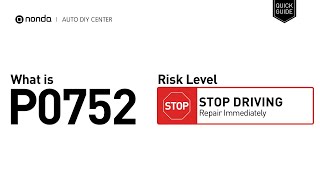
Let me be blunt: this isn’t something you want to shrug off. Keeping your car on the road with a dtc p0752 can spell disaster for your transmission. Overheating is a real risk, and that can toast clutches and bands before you know it. Worst case, your ride goes into limp mode or refuses to shift at all-leaving you stranded at the worst possible moment. My advice? Don’t gamble with your transmission. The longer you ignore the warning signs, the bigger (and pricier) the fix gets.
Repair Solutions for P0752
When it comes to fixing a dtc p0752, here’s how I approach it, always based on what the diagnosis turns up:
- Start by topping off or swapping out the transmission fluid if it’s low, dark, or smells burnt
- Replace a clogged transmission filter-don’t underestimate how much damage a $20 filter can prevent
- Track down and repair or replace any damaged wiring or dodgy connectors in the circuit
- If the shift solenoid “A” is confirmed bad, swap it out for a new one
- Clean up or repair the valve body if it’s sticking or gummed up
- On rare occasions, replace or reprogram the TCM if it’s gone haywire
- If there’s evidence of internal carnage, you might be staring down a rebuild or replacement job
Here’s a pro-tip from the garage: always tackle fluid, filter, and wiring first. They fix more problems than you’d think-and save a heap of cash compared to diving straight into transmission surgery.



Conclusion
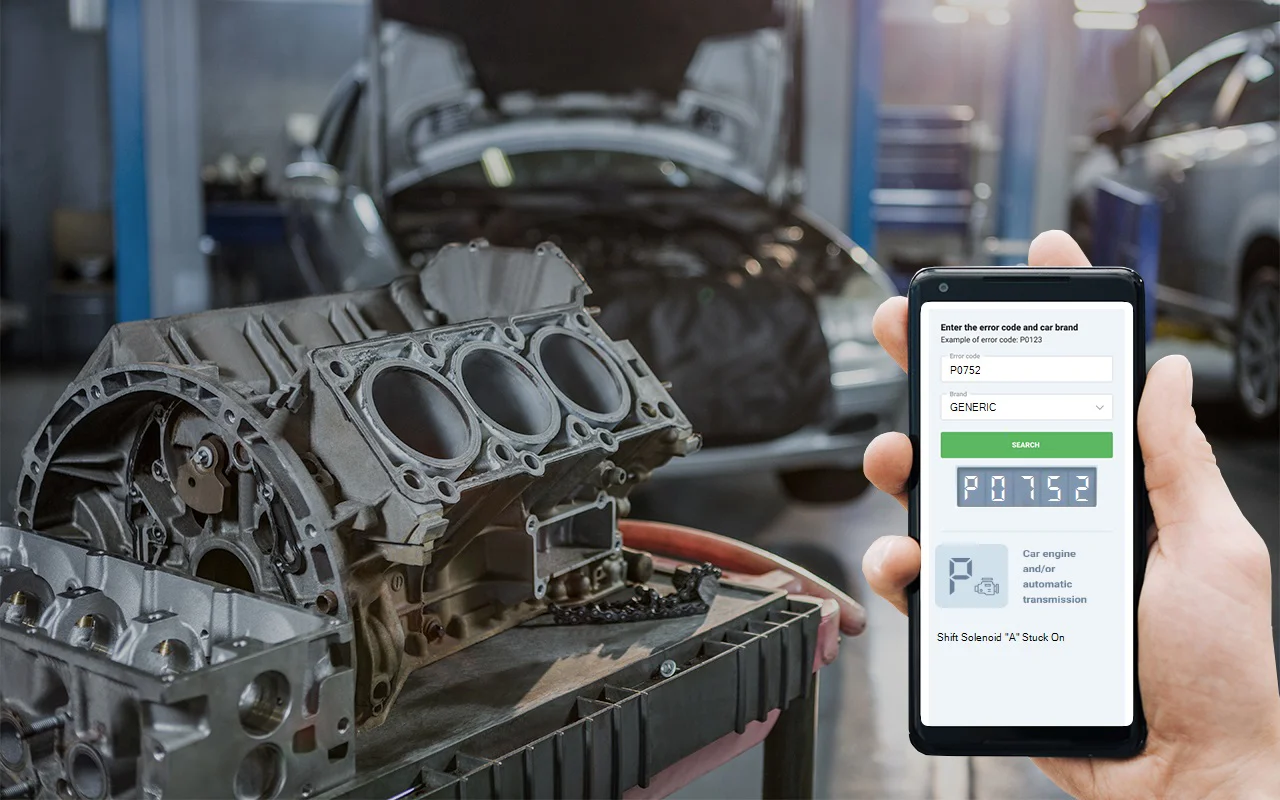
If you take one thing away from this, let it be this: P0752 means your transmission’s shift solenoid “A” is stuck on, and that can spiral into major shifting headaches or even leave you stranded. Don’t sit on it-act fast. Start with the basics: check the fluid, inspect the wiring, and don’t skip the filter. Only move to the solenoid and valve body if you have to. Catching the problem early and working through things step by step is the best way to keep your ride running smooth and your repair bills in check.
 5294
5294 6 minutes of reading