
Causes of dtc P0755
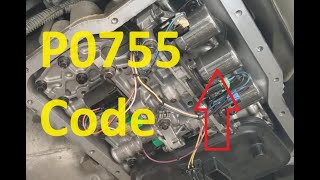
From my years at the bench, I can tell you there are a few usual suspects behind a p0755 popping up. Most commonly, you’re looking at a bad shift solenoid “B”-they do wear out. But in my experience, you can’t always blame the solenoid right off the bat. Here’s what I always check in the shop:
- Low or dirty transmission fluid - sometimes all it takes is old, gunky fluid or a low level to cause headaches.
- Clogged transmission filter - I’ve lost count of how many times a plugged filter was the real problem.
- Wiring or connector issues - anything from a corroded pin to a chewed wire can knock out the solenoid circuit.
- PCM (powertrain control module) failure - rare, but I’ve seen it happen, especially on older Fords.
- Valve body problems or blocked hydraulic passages - when passages are blocked, solenoids can’t do their job.
- Internal transmission failure - this one’s less common, but it’s always a possibility if the basics check out.
Here’s a pro-tip from the garage: always start with the easy stuff-fluid, filter, and wiring-before you start chasing more complex or expensive problems.
Symptoms of P0755
If you’ve got a P0755 on your hands, trust me, your transmission will usually let you know. Here’s what I hear from drivers all the time:
- Transmission slipping - feels like the car’s hunting for gears, or suddenly loses drive.
- Overheating transmission - you might catch a whiff of burnt fluid or spot the temp warning light.
- Hard or delayed shifts - that hesitation or sudden lurch when you change gears? Classic symptom.
- Limp mode - sometimes the transmission locks into one gear to protect itself, making the car feel sluggish and underpowered.
- Check engine light - for most folks, that’s the first sign something’s wrong.
- Misfire-like symptoms - the engine might stumble or shudder, even though it’s not a true misfire.
- Worse gas mileage - if you’re stopping at the pump more often, don’t ignore it.
When you notice any of these, don’t wait around-catching the problem early can save you a bundle down the road.

Diagnosis process for P0755 trouble code
I’ve chased down more ford dtc p0755 codes than I can count, and here’s how I always approach it. If you’re handy with tools, you can work through these steps too:
- First, pop the hood and check your transmission fluid. Make sure it’s at the right level and doesn’t look burnt or dirty. If it’s low, top it off. If it’s nasty, swap it out and drop in a fresh filter.
- Next, get under the car and take a good look at the wiring and connectors heading to the transmission and solenoid “B.” I’ve seen plenty of issues caused by nothing more than a loose or corroded plug.
- Plug in a scan tool and confirm the code. Also, check for any other related codes-sometimes there’s more to the story.
- If everything above checks out, I grab my multimeter and test the solenoid itself. You’ll want to check resistance (use the specs in your service manual), and sometimes I’ll apply power to see if the solenoid clicks or moves.
- If you find a bad solenoid, replace it. If it tests good, the next step is to check the valve body for blockages or sticky passages.
- If nothing obvious turns up, then it’s time to consider PCM issues or internal transmission problems, but I only go there as a last resort.
One last thing-don’t crawl under the car without proper support. Safety stands are a must. Get a helper if you can.
Common mistakes when fixing P0755 code
A classic mistake I see is folks rushing out to buy a new solenoid before even glancing at the fluid or wiring. I can’t stress this enough-dirty fluid or a clogged filter can mimic a bad solenoid almost perfectly. Another common error? Ignoring the connectors. Corrosion or broken wires are easy to miss but cause nothing but grief. And don’t forget to scan for other codes-sometimes the real culprit is hiding in plain sight. Skipping these basics can turn a simple fix into an expensive wild goose chase.

How serious is a P0755 engine code
Let me put it bluntly: you really shouldn’t brush off a P0755. A failing shift solenoid can set off a nasty chain reaction inside your transmission-slipping, overheating, and eventually full-blown failure. I’ve seen cars go from a simple solenoid problem to needing a complete transmission rebuild just because the driver kept going. Parts like the clutches, bands, and the valve body are all at risk. Bottom line? Ignoring this code could leave you stranded and cost you a small fortune in repairs. Don’t wait.
Best repair practices for obd code P0755
Here’s how I tackle a ford dtc p0755 repair, and what I’d recommend for you:
- Swap out shift solenoid “B” if it fails your resistance or function tests.
- Flush the transmission fluid and replace the filter if either is dirty or clogged-fresh fluid can work wonders.
- Track down and fix any damaged wiring or connectors you spot-don’t just wiggle them and hope for the best.
- If the valve body has stuck passages, clean or service it as needed-sometimes a little patience and a good cleaning does the trick.
- And if all else fails, you might be looking at PCM replacement or deeper internal repairs, but that’s rarely needed if you catch things early.
My approach is always to start simple-fluid, wiring, filter-then move to solenoids and valve body. Stick with OEM parts and always double-check your service manual for specifics on your car.



Conclusion
To wrap things up, if you’re staring down a P0755, you’re dealing with a transmission shift solenoid “B” that’s not doing its job. That spells shifting trouble, and if you ignore it, you could be looking at major repairs down the line. My best advice? Start with the basics-fluid, wiring, and filter checks-before moving on to the solenoid or valve body. Don’t let this issue ride; the risk just isn’t worth it. If you work methodically and address the root cause, you’ll save yourself a lot of time, money, and frustration. Take care of it now, and your car will thank you later.

 3995
3995 6 minutes of reading