
Causes and obd code P0767
From experience, the most common reasons I see for a p0767 code are:
- Low transmission fluid level-sometimes it’s as simple as being a bit low on fluid.
- Dirty or contaminated transmission fluid-old, burnt, or debris-filled fluid can gum up the works.
- Clogged transmission filter-if the filter’s blocked, fluid can’t flow properly.
- Faulty shift solenoid D-this is the part the code is specifically about, and it can fail electrically or get stuck.
- Problems with the valve body-if the channels inside are blocked or damaged, shifting suffers.
- Internal transmission failure-sometimes the issue is deeper inside the transmission itself.
- Wiring or connector issues-corroded, damaged, or loose connectors and wires can interrupt signals.
- PCM (Powertrain Control Module) faults-rare, but the computer itself can be the culprit.
In cases like this, it’s usually a fluid or solenoid problem, but I’ve seen wiring and connector issues throw people for a loop, too.
Symptoms related to obd2 code P0767
If your car’s got a P0767 code, there are usually some dead giveaways. Over the years, I’ve had customers come in with:
- Rough or delayed shifting-sometimes you’ll feel the car drag its feet going into gear, or it’ll hesitate like it’s unsure what to do next.
- Transmission slipping-this one’s easy to spot: the engine revs up but the car just doesn’t move like it should. Not a good feeling.
- Overheating transmission-when fluid’s not moving right, the heat builds up fast. I’ve seen transmissions cook themselves in no time.
- Stuck in one gear or limp mode-your car might lock itself in a low gear to prevent further damage, making it feel sluggish or flat-out refusing to shift.
- Check Engine light-almost every time, you’ll see that dreaded light on the dash.
- Poor fuel economy-if shifting’s off, don’t be surprised when you’re stopping at the pump more often.
Here’s my advice: if you notice slipping or overheating, get on it quick. Letting it go can turn a simple fix into a wallet-busting repair.

Diagnosis process for dtc P0767
When I’m chasing down a P0767, here’s my go-to process:
- I start by checking for Technical Service Bulletins (TSBs) for your make and model. Sometimes the manufacturer already knows about the problem, and there’s a factory fix or update waiting for you.
- Next, I take a good look at the transmission fluid. Is it topped off? Does it look dark, burnt, or full of debris? Clean, bright fluid is what you want. If it’s nasty, a change is in order.
- While I’m at it, I pull and inspect the transmission filter. If it’s clogged, your solenoids aren’t getting the flow they need. A dirty filter is an easy fix-don’t skip it.
- After fluids and filters, I examine the wiring and connectors leading to the transmission and solenoids. I’m looking for green corrosion, cracked insulation, or loose plugs. Pro-tip: check PCM connections too-it’s a step a lot of folks miss.
- If all that checks out, I grab a scan tool and command the solenoid on and off, watching for a response. If it’s silent, I’ll disconnect the battery and test solenoid resistance with a multimeter. Out-of-spec readings mean it’s likely toast.
- If the solenoid tests fine, I move on to the valve body, checking for blockages or internal damage. That usually means dropping the pan-messy, but sometimes necessary.
- After all that, if I’m still chasing the problem, I’ll start considering internal transmission failure or a bad PCM. But honestly, those are rare in most cases.
Start with the basics-fluid, filter, wiring-before you start tearing into the transmission or replacing expensive parts. And if you’re unsure about any step, there’s no shame in calling in a pro or asking for help.
Common Mistakes when addressing P0767 trouble code
A classic mistake I see in the shop? Folks rush straight to replacing the solenoid, skipping over the basics. Don’t ignore the simple stuff-check the fluid and filter first, or you might be throwing parts and money at the wrong problem. Another one I see all the time: overlooking wiring or connectors. Corroded pins or loose plugs can mimic a bad solenoid and drive you crazy if you miss them. Also, always check for TSBs before diving in. Sometimes the fix is right there, spelled out by the manufacturer. And please-disconnect the battery before poking around with a multimeter on any electrical parts. Saves a lot of headaches (and fried modules).

Seriousness of P0767 code
Let me be blunt: this isn’t a code you want to ignore. It might start as an annoyance-maybe a little rough shifting or a slip here and there-but it can escalate in a hurry. If the transmission keeps overheating or slipping, you could be looking at ruined clutch packs, a fried valve body, or, worst-case scenario, total transmission failure. I’ve seen cars wind up on the back of a tow truck, or worse, in dangerous situations on the road, all because this code was left unchecked. Take care of it early, and you’ll save yourself a ton of grief and cash.
Repair solutions for P0767 engine code
Here’s what’s worked best in my experience-and what the books back up-when it comes to fixing P0767:
- Swap out the transmission fluid and filter if they’re old, dirty, or burnt. Sometimes, that’s all it takes to clear the code and get things shifting right.
- Repair or replace the shift solenoid D if it’s sticking or showing bad readings electrically.
- Tidy up or fix any damaged wiring and connectors. Corrosion and broken wires are sneaky culprits.
- Flush the transmission if you suspect blockages in the valve body. Sometimes debris is the villain.
- If the valve body itself is damaged or clogged, it may need cleaning, repair, or replacement.
- On rare occasions, a faulty PCM is behind it. If all else checks out, don’t rule it out, but save this for last.
- If there’s internal damage to the transmission, a rebuild or replacement is the final card to play-but that’s usually only after everything else fails.
Here’s a tip: start with the easy and affordable fixes first-fluid, filter, wiring. Most of the time, that’s where the answer lies.


Conclusion
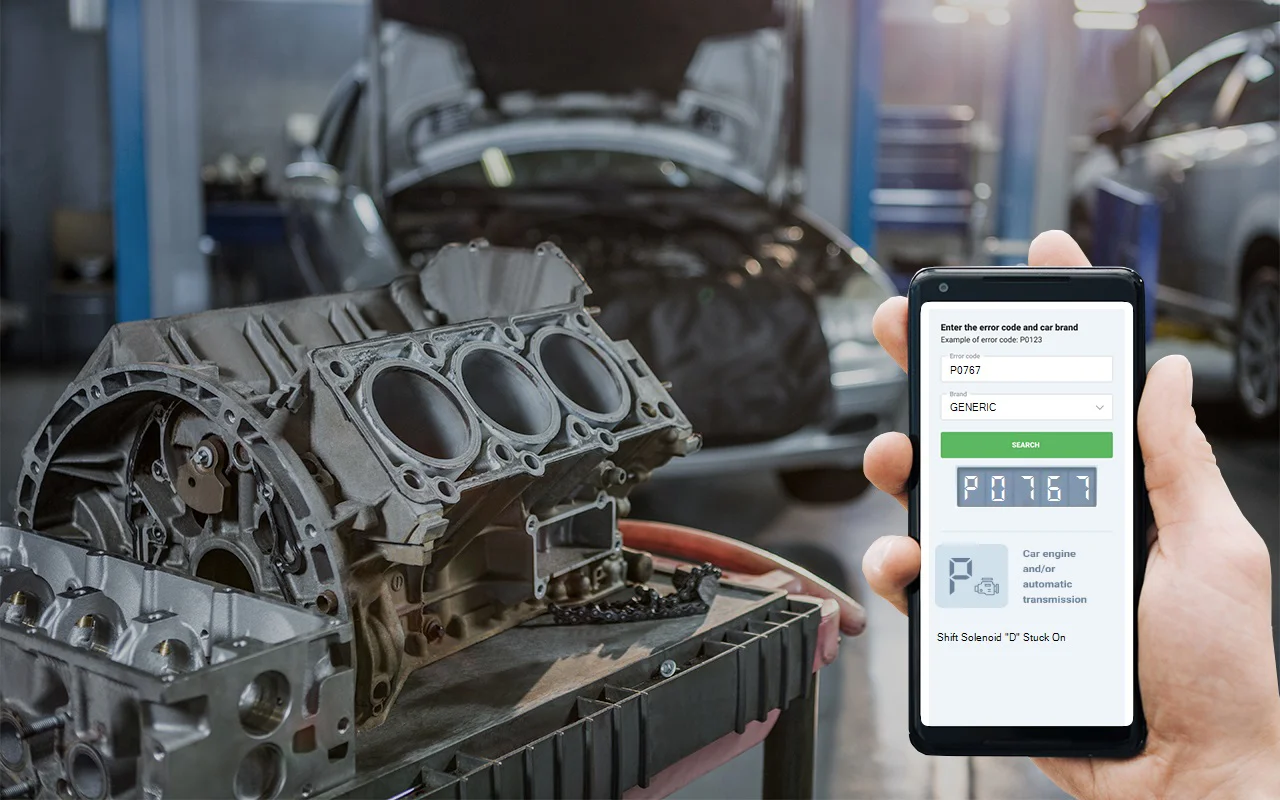
Bottom line? P0767 means your transmission’s shift solenoid D is acting up, and that spells trouble for smooth shifting and reliability. I’ve seen this go from a mild inconvenience to a major breakdown more times than I can count. The smartest move is to knock out the basics-check your fluid, swap the filter, and inspect the wiring-before getting into the heavy-duty repairs. Jump on it early, and you’ll keep your car on the road, your wallet fuller, and your headaches to a minimum.
 4208
4208 7 minutes of reading