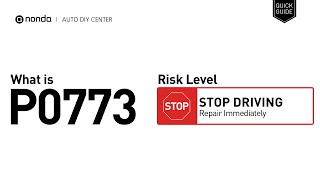
P0773 code causes
From experience, I can tell you that p0773 isn’t always just about a bad solenoid. Most often the issue is one of these:
- Low or dirty transmission fluid (sometimes just changing the fluid solves it)
- Clogged or dirty transmission fluid filter
- Faulty or sticking shift solenoid “E”
- Wiring problems-damaged, corroded, or loose connectors
- Valve body issues inside the transmission
- Blocked hydraulic passages
- Internal transmission failure (rare, but possible)
- PCM (computer) malfunction (pretty rare, but I’ve seen it)
In cases like this, it’s usually something simple like fluid or wiring, but I always check everything before jumping to conclusions.
Obd code P0773 symptoms
When this code shows up, you’ll probably notice some pretty obvious changes in how your car drives. Here’s what most drivers report:
- Transmission slipping (feels like it can’t grab the next gear)
- Overheating transmission (sometimes you’ll smell it or see a warning light)
- Stuck in one gear or ‘limp mode’ (car won’t shift properly and feels sluggish)
- Check engine light is on
- Decreased fuel economy
- Misfire-like symptoms (engine feels rough, especially during shifts)
If you’re seeing any of these, don’t ignore them-things can go south quickly if overlooked.

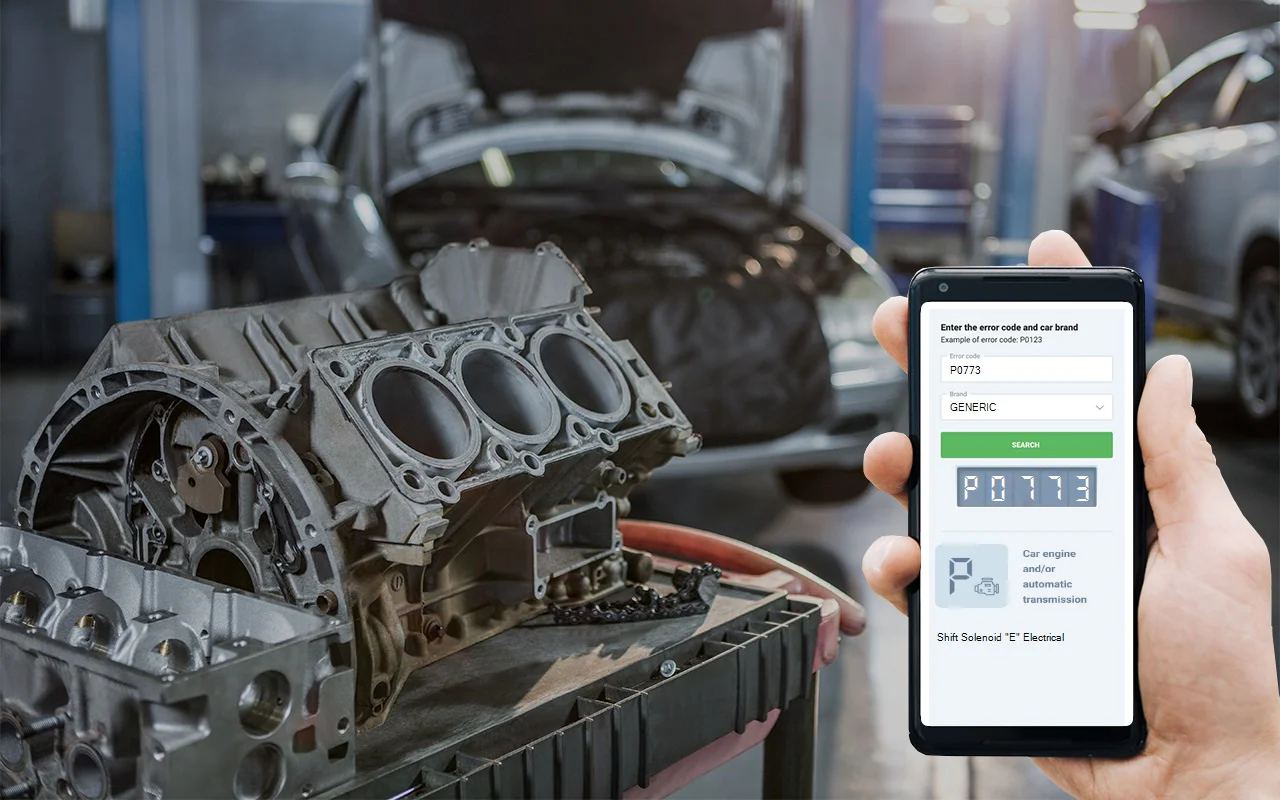
Obd2 code P0773 common mistakes
Honestly, the most common mistake I see is jumping straight to replacing the solenoid without checking the basics. People often skip checking the fluid or overlook a simple wiring issue. Another one is not testing the solenoid’s resistance before replacing it-sometimes the problem is just a bad connector or a pinched wire. Don’t just clear the code and hope for the best; that’s a surefire way to end up in trouble again.
P0773 repair steps
Here’s what I personally recommend for fixing p0773, based on what I see most often:
- Change the transmission fluid and filter if they’re dirty or old
- Repair or replace any damaged wiring or connectors to the solenoid
- Replace the shift solenoid “E” if it fails resistance or activation tests
- Clean or repair the valve body if there are blockages
- In rare cases, repair or replace the PCM if it’s not sending the right signals
Always follow the OEM service manual for your specific vehicle-details can vary between makes and models.
Conclusion
To sum it up: P0773 means your car’s computer has found an electrical problem with shift solenoid “E” in the transmission. It’s not something to ignore-acting quickly can save you from major headaches and costly repairs. Start with the simple stuff: check your fluid, inspect wiring, and test the solenoid. If you’re not sure, get a pro to help. The most reliable fix is to follow a step-by-step diagnosis and only replace what’s actually faulty. Don’t risk bigger damage by putting this off-your safety and your wallet will thank you.
Video for "Error p0773" on YouTube
The following error codes are often searched for

 3871
3871 5 minutes of reading